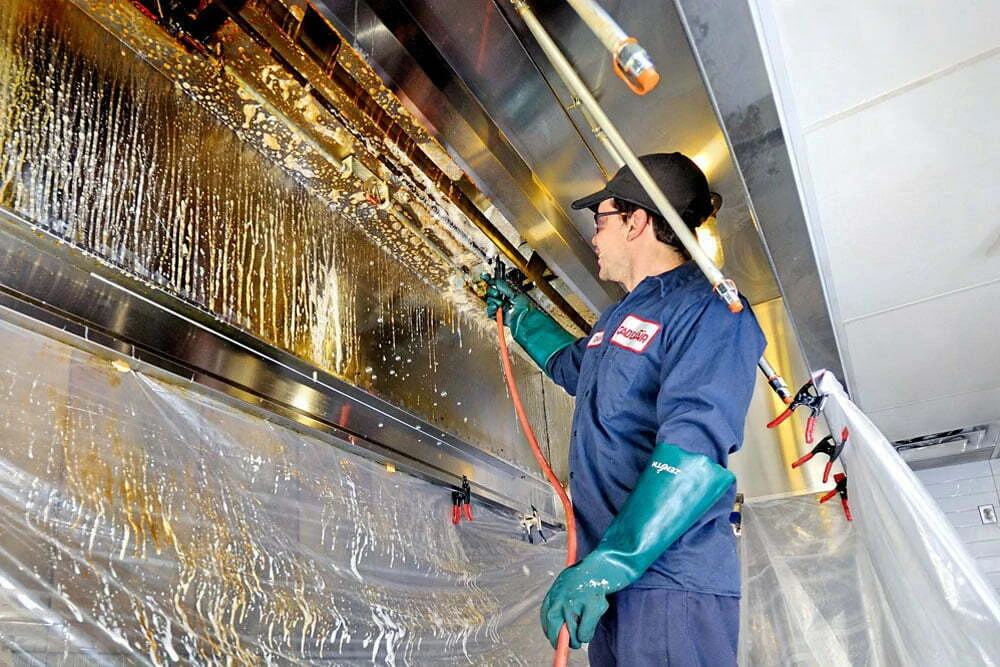
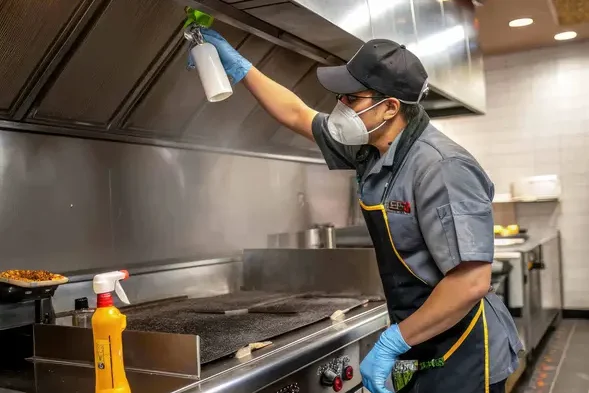
In any busy food establishment, the kitchen is the heart of operations—and the exhaust system is its lungs. Commercial kitchen exhaust cleaning is not just about cleanliness; it’s about fire prevention, health compliance, and protecting your investment.
Whether you run a restaurant, hotel, hospital kitchen, or catering facility, understanding the importance of professional exhaust cleaning can save you from costly risks.
What Is Commercial Kitchen Exhaust Cleaning?
Commercial kitchen exhaust cleaning refers to the thorough removal of grease, smoke residue, and contaminants from the entire kitchen exhaust system, including:
- Hood canopy
- Filters
- Ductwork
- Fans
- Vents
Over time, grease vapors rise and accumulate inside these components. Without regular cleaning, this buildup becomes highly flammable and dangerous.
Why Commercial Kitchen Exhaust Cleaning Is Essential
1. Fire Prevention
According to the National Fire Protection Association (NFPA), grease buildup in exhaust systems is a leading cause of restaurant fires. The NFPA 96 standard specifically requires regular inspection and cleaning of commercial cooking ventilation systems.
Grease is extremely combustible. One small flare-up on a cooktop can quickly travel through grease-coated ducts, spreading fire throughout the building.
2. Code Compliance & Insurance Requirements
Local fire departments and insurance providers require businesses to meet safety standards. Failure to maintain a clean exhaust system may result in:
- Failed inspections
- Fines or temporary closure
- Increased insurance premiums
- Claim denial after a fire
Professional exhaust cleaning ensures compliance with fire codes and industry regulations.
3. Improved Air Quality
A dirty exhaust system cannot properly remove smoke, heat, and airborne grease. This leads to:
- Poor indoor air quality
- Uncomfortable working conditions
- Lingering food odors
- Excess strain on HVAC systems
Clean exhaust systems improve ventilation and create a safer, more comfortable environment for staff and guests.
4. Extended Equipment Lifespan
Grease buildup forces exhaust fans and motors to work harder, increasing wear and tear. Regular cleaning:
- Reduces mechanical strain
- Improves system efficiency
- Lowers energy costs
- Extends equipment life
How Often Should You Schedule Exhaust Cleaning?
Cleaning frequency depends on cooking volume and food type. General guidelines recommended by the National Fire Protection Association include:
- High-volume kitchens (24-hour, charbroiling): Monthly
- Moderate-volume kitchens: Quarterly
- Low-volume kitchens: Semi-annually
- Seasonal businesses: Annually
A professional inspection can determine the ideal schedule for your operation.
What Does Professional Commercial Kitchen Exhaust Cleaning Include?
A certified technician will typically:
- Cover kitchen equipment to protect surfaces
- Remove and clean filters
- Scrape heavy grease buildup from hood interiors
- Clean ductwork and vertical shafts
- Degrease exhaust fans and motors
- Perform final inspection and provide documentation
Many companies also provide before-and-after reports for compliance records.
Signs Your Exhaust System Needs Cleaning
Watch for these warning signs:
- Visible grease dripping from hood or ducts
- Strong, persistent odors
- Excess smoke during cooking
- Loud or struggling exhaust fans
- Grease accumulation on rooftop fan units
If you notice any of these issues, schedule service immediately.
DIY vs. Professional Cleaning
While staff can clean surface areas and removable filters, full-system cleaning requires specialized tools, training, and compliance knowledge.
Professional cleaners use:
- High-pressure hot water systems
- Commercial-grade degreasers
- Duct access tools
- Safety-certified procedures
Attempting full duct cleaning without proper equipment may leave hidden grease deposits behind.
Choosing the Right Exhaust Cleaning Company
When selecting a provider, look for:
- Experience with commercial kitchens
- Knowledge of NFPA 96 standards
- Proper insurance and certification
- Detailed service reports
- Flexible scheduling to minimize downtime
A reputable company will inspect the entire system and provide a clear maintenance plan.
Final Thoughts
Commercial kitchen exhaust cleaning is not optional—it’s a critical safety measure. Regular maintenance protects your staff, customers, property, and business reputation.
By staying proactive with inspections and professional cleanings, you reduce fire risk, ensure compliance, and keep your kitchen operating efficiently.
If it’s been a while since your last exhaust system inspection, now is the time to schedule one. Your safety—and your business—depends on it.


























Sign in to leave a comment.