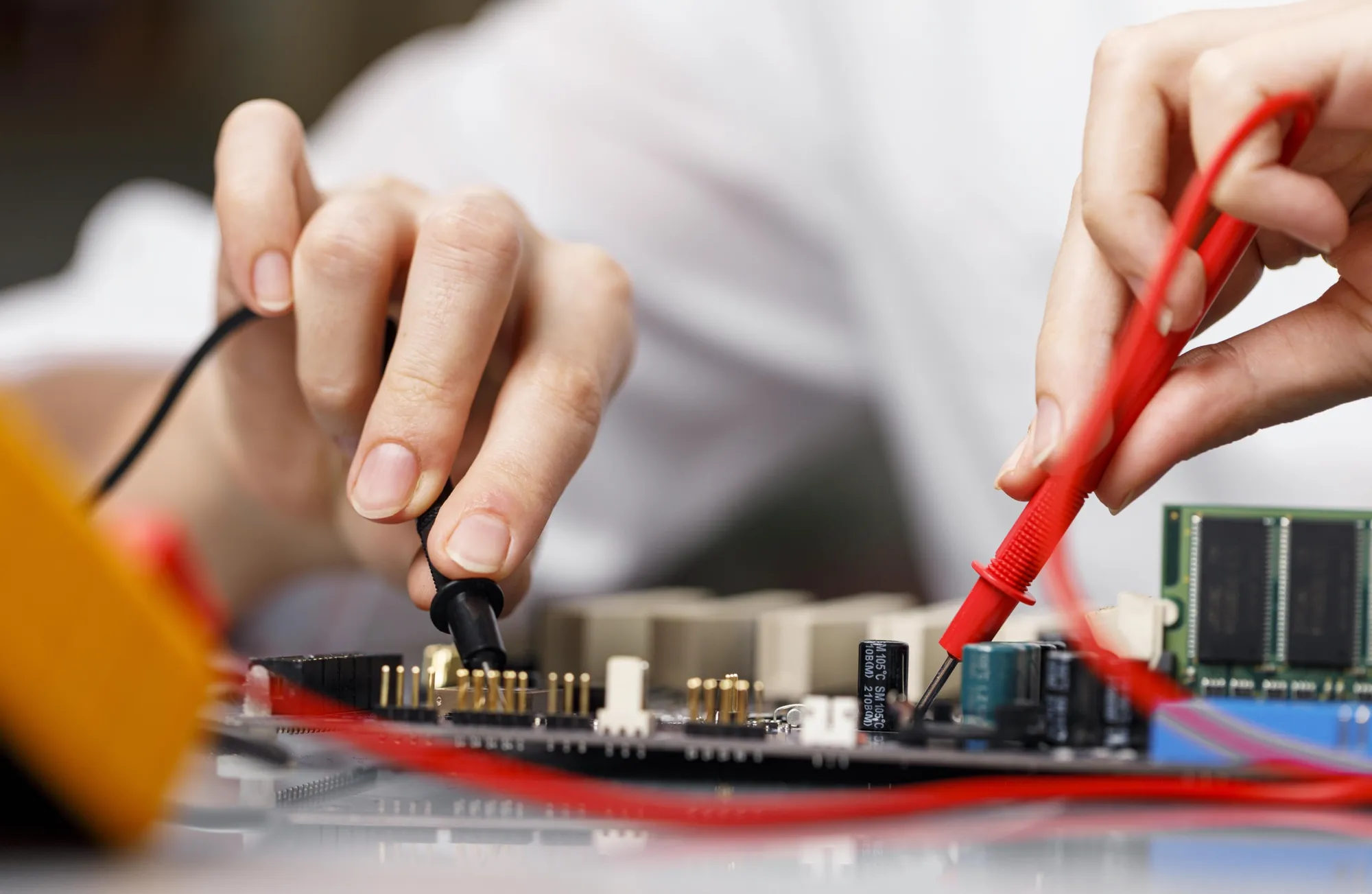

Industrial facilities rely heavily on robust electrical infrastructure to maintain productivity, ensure workplace safety, and minimize costly downtime. From manufacturing plants and warehouses to processing facilities and logistics centers, electrical systems play a critical role in daily operations. However, electrical problems can develop over time due to aging equipment, increased power demands, poor maintenance, or environmental factors.
Understanding the most common electrical issues and implementing preventive measures can help businesses avoid expensive repairs and operational disruptions. Professional providers of industrial electrical services Perth help businesses identify risks early, maintain compliance, and keep industrial operations running efficiently.
Why Electrical Reliability Matters in Industrial Facilities
Unlike residential or standard commercial properties, industrial environments often operate high-powered equipment, complex machinery, automation systems, and extensive power distribution networks. Even minor electrical failures can result in significant production losses, equipment damage, and workplace safety risks.
Regular inspections, preventive maintenance, and professional electrical upgrades are essential for maintaining operational efficiency and ensuring compliance with Australian electrical standards.
1. Overloaded Electrical Circuits
One of the most common problems in industrial facilities is overloaded electrical circuits. As businesses expand operations and add new equipment, existing electrical systems may struggle to handle increased power demands.
Common signs of overloaded circuits include:
- Frequent circuit breaker trips
- Overheating electrical panels
- Flickering lights
- Equipment performance issues
- Burning smells near switchboards
Prevention:
- Conduct regular electrical load assessments
- Upgrade switchboards when capacity limits are reached
- Install dedicated circuits for heavy machinery
- Work with qualified industrial electricians to plan future expansions
Proper electrical infrastructure planning helps prevent costly failures and unexpected downtime.
2. Aging Electrical Equipment
Many industrial facilities continue operating with outdated electrical systems long after their intended service life. Aging switchboards, wiring, transformers, and distribution equipment can increase the risk of equipment failure and workplace hazards.
Common issues with aging infrastructure include:
- Reduced efficiency
- Frequent breakdowns
- Increased maintenance costs
- Higher fire risks
- Difficulty meeting compliance requirements
Prevention:
- Schedule regular electrical inspections
- Replace aging switchboards and distribution equipment
- Upgrade outdated wiring systems
- Develop a long-term asset replacement strategy
Investing in modern electrical infrastructure often reduces operational costs and improves reliability.
3. Power Quality Problems
Power quality issues can significantly impact industrial operations. Voltage fluctuations, harmonics, power surges, and transient disturbances may damage sensitive equipment and reduce operational efficiency.
Common symptoms include:
- Unexpected equipment shutdowns
- Variable speed drive failures
- Computer and control system malfunctions
- Motor overheating
- Reduced equipment lifespan
Prevention:
- Install surge protection systems
- Monitor power quality regularly
- Use power conditioning equipment
- Perform routine electrical testing and analysis
Industrial electrical specialists can identify power quality issues before they cause major disruptions.
4. Faulty Switchboards
Industrial switchboards act as the central distribution point for electrical systems. Faulty or poorly maintained switchboards can create serious safety hazards and operational problems.
Warning signs include:
- Frequent breaker trips
- Visible corrosion
- Excessive heat generation
- Burning odors
- Unusual electrical noises
Prevention:
- Schedule regular switchboard inspections
- Perform thermal imaging assessments
- Upgrade outdated switchboards
- Replace damaged circuit protection devices
Modern switchboards improve both safety and operational reliability.
5. Poor Electrical Maintenance Practices
Many electrical failures occur because routine maintenance has been delayed or overlooked. Reactive maintenance often costs significantly more than preventive maintenance programs.
Risks associated with poor maintenance include:
- Equipment breakdowns
- Increased downtime
- Higher repair costs
- Safety incidents
- Reduced equipment lifespan
Prevention:
Implement a comprehensive preventive maintenance program that includes:
- Electrical inspections
- Thermal imaging
- Circuit testing
- Equipment servicing
- Compliance testing
- Safety audits
Scheduled maintenance helps identify minor issues before they become major problems.
6. Motor and Machinery Failures
Industrial operations rely heavily on motors, pumps, conveyors, compressors, and automated machinery. Electrical faults affecting these systems can quickly disrupt production.
Common causes include:
- Voltage imbalance
- Overloading
- Poor connections
- Inadequate maintenance
- Power supply fluctuations
Prevention:
- Conduct regular motor testing
- Monitor operating temperatures
- Perform vibration analysis
- Maintain proper electrical connections
- Monitor electrical loads continuously
Preventive diagnostics help maximize equipment performance and reduce downtime.
7. Insufficient Power Capacity
As businesses grow, electrical systems often become undersized for operational requirements. Facilities may experience performance issues when electrical infrastructure cannot support increased demand.
Signs of insufficient capacity include:
- Frequent overloads
- Equipment instability
- Production interruptions
- Reduced efficiency
- Electrical safety concerns
Prevention:
- Conduct electrical capacity assessments
- Upgrade power distribution systems
- Expand switchboard capacity
- Install additional circuits where required
Future-proof electrical planning helps support business growth.
8. Data and Communication Infrastructure Issues
Modern industrial facilities depend heavily on reliable communications networks, automation systems, and data infrastructure. Poor cabling or network failures can affect productivity and system performance.
Common problems include:
- Network outages
- Slow communication systems
- Data transmission errors
- Equipment connectivity failures
Prevention:
- Install structured cabling systems
- Upgrade fibre optic infrastructure
- Perform regular network testing
- Maintain communications equipment
Reliable power and data systems are essential for modern industrial operations.
The Importance of Electrical Compliance Testing
Industrial facilities in Western Australia have strict electrical safety obligations. Regular compliance testing helps businesses identify hazards while maintaining workplace safety standards.
Compliance testing typically includes:
- RCD testing
- Test and tag services
- Emergency lighting inspections
- Switchboard inspections
- Electrical safety audits
- Thermal imaging assessments
Proper documentation also helps businesses meet insurance and regulatory requirements.
Why Choose Professional Industrial Electrical Services in Perth
Industrial electrical systems require specialized expertise, equipment, and experience. Professional providers of industrial electrical services Perth understand the unique challenges faced by manufacturing facilities, warehouses, logistics centers, and industrial operations.
Working with experienced industrial electricians provides:
- Improved workplace safety
- Reduced downtime
- Greater energy efficiency
- Enhanced equipment reliability
- Regulatory compliance
- Long-term cost savings
Why Businesses Choose Symbient Electrical
At Symbient Electrical, we provide comprehensive industrial electrical services throughout Perth and Western Australia. Our experienced team delivers tailored solutions for industrial facilities of all sizes, including:
- Industrial electrical installations
- Preventive maintenance
- Switchboard upgrades
- Power and data systems
- Fibre optic networking
- Compliance testing
- Emergency electrical repairs
- Electrical infrastructure upgrades
We understand that reliable electrical systems are critical to business operations and work closely with our clients to deliver safe, efficient, and future-ready solutions.
Conclusion
Electrical problems in industrial facilities can result in costly downtime, safety risks, and reduced productivity. By identifying common issues early and implementing proactive maintenance strategies, businesses can significantly improve reliability and operational efficiency.
Whether you require maintenance, upgrades, compliance testing, or complete electrical infrastructure solutions, partnering with experienced providers of industrial electrical services Perth helps ensure your facility remains safe, compliant, and operational for years to come.





























Sign in to leave a comment.