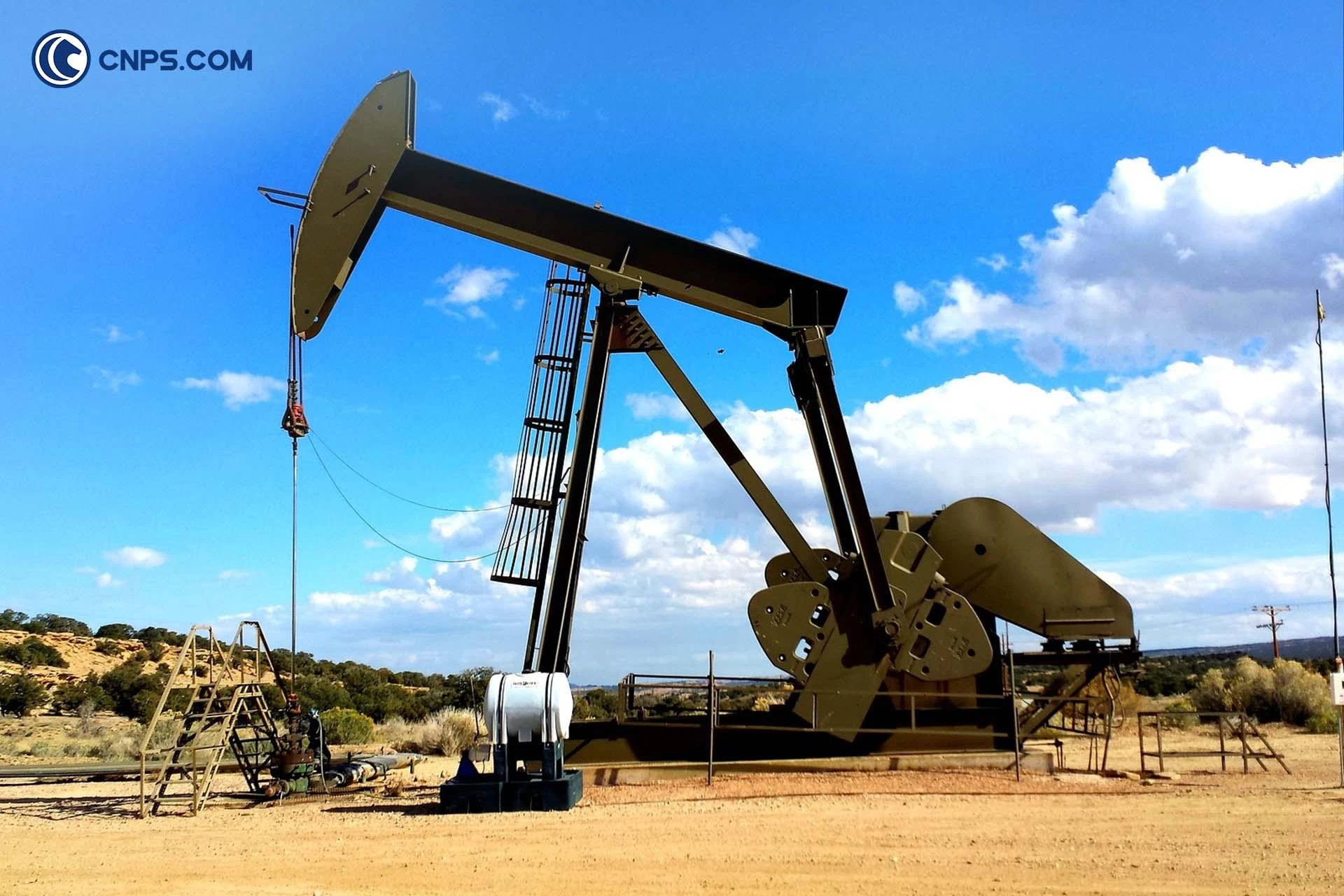

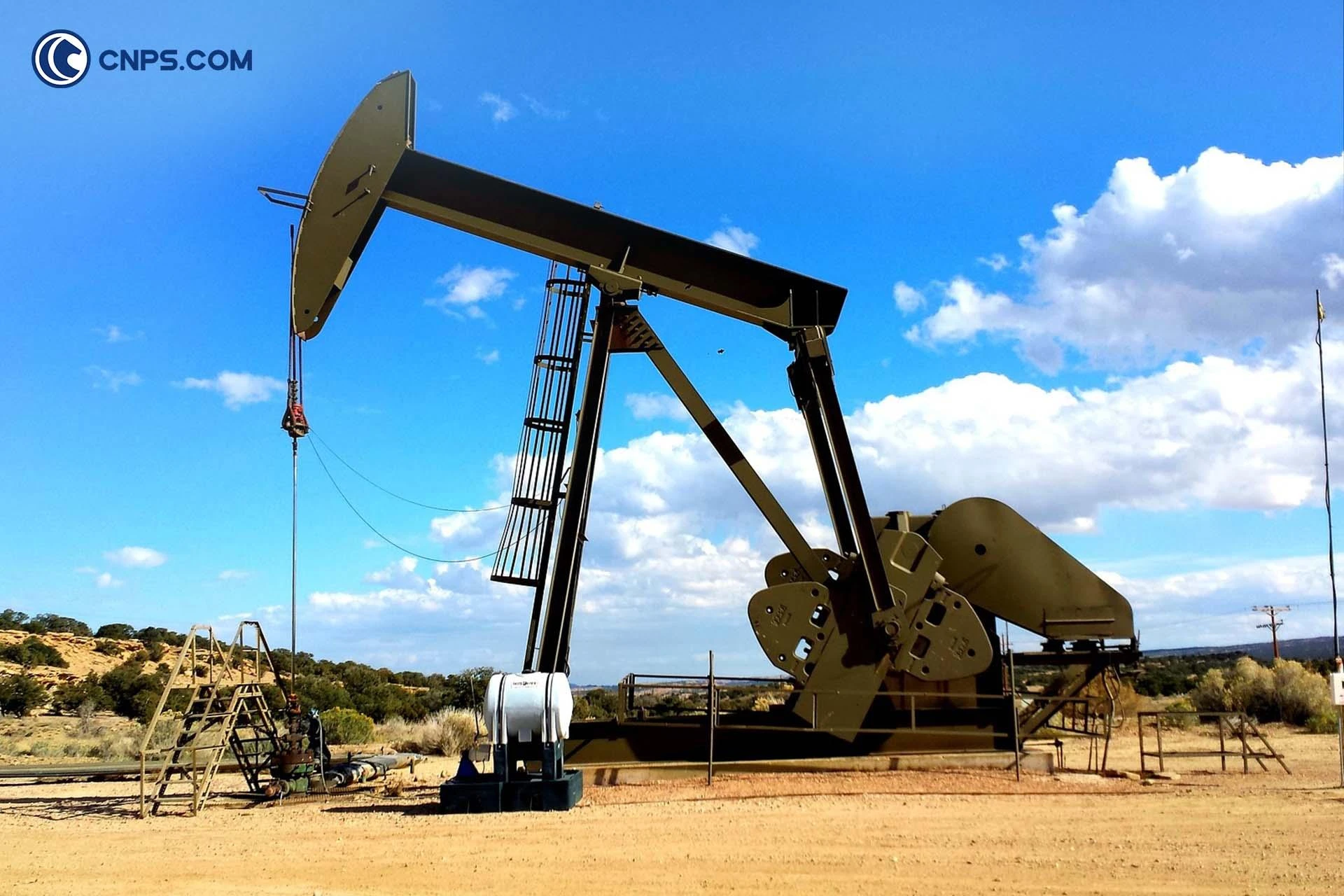
The exploration and production of oil and gas are foundational to the modern energy landscape. However, the path from the reservoir to the refinery is fraught with potential for failure. Understanding these failures, their origins, and how to circumvent them is crucial for the sustainability and efficiency of oil and gas wells.
Root Causes of Well Failures
The extraction of oil and gas is a complex endeavor fraught with various challenges. Well failures, in particular, can be catastrophic, not only for the environment and safety but also for the economic viability of operations. These failures are usually the consequence of a range of factors that intertwine geological, technical, and operational aspects.
Geological Challenges:
The very nature of the earth’s subsurface can present significant obstacles. Drillers can encounter unforeseen geological formations such as fault lines, fractured reservoirs, or high-pressure pockets that can compromise the structural integrity of the wellbore.
Additionally, corrosive substances like hydrogen sulfide or carbon dioxide can be present in the formation fluids, posing a severe risk to the materials used in well construction. These geological phenomena can lead to a cascade of problems, from casing deformation to reservoir contamination.
Technical Limitations
Even with technological advances, equipment failures still stand as a leading cause of well incidents. Casings can collapse under unexpected loads or due to corrosive attack, while cement sheaths meant to secure the wellbore might fail, leading to leaks and groundwater contamination.
Such incidents can be attributable to design inadequacies where the equipment was not selected or designed to withstand specific downhole conditions. Manufacturing defects, though less common due to stringent quality controls, can still be a factor, as can the natural wear and tear on equipment that isn’t replaced or maintained as meticulously as required.
Operational Oversights
The human element in well operations cannot be underestimated. Missteps during drilling, completion, or production can precipitate well failures. Inadequate training can lead to mishandling of equipment or misinterpretation of data, leading to wrong decisions under pressure. Furthermore, non-compliance with established safety protocols or ineffective communication among crew members can result in operational errors that might trigger a cascade of failure events.
Another operational oversight includes poor well monitoring and maintenance routines. The absence of regular inspections and maintenance can allow minor issues to escalate into major failures. For example, small leaks in the well casing or production tubing can go unnoticed until they develop into significant breaches that compromise the well’s integrity.
Preventive Measures
To mitigate the risks associated with well failures, CNPS, an energy solutions provider with over 14 years of industry experience, emphasizes a proactive approach, advocating for robust design principles, meticulous maintenance routines, and comprehensive training programs.
Design and Material Selection
Employing advanced materials like Fiberglass Reinforced Plastic (FRP) pipes and Glass Reinforced Epoxy (GRE) tubing offers superior corrosion resistance and longevity. These materials are not only known for their mechanical strength but also for their ability to withstand extreme downhole pressures and temperatures, making them a prudent choice for well integrity.
CNPS leverages such innovative material technology to extend the lifespan of oil and gas wells and reduce the likelihood of costly downtime and repairs.
Maintenance and Monitoring
Routine inspections and maintenance of critical well components, such as sucker rods and Reinforced Thermoplastic Pipes (RTP), are essential. These practices are key to ensuring the continuous operation and optimal performance of well equipment.
Furthermore, CNPS supports the integration of advanced monitoring systems that use sensors to track the health of the well in real time, providing data that can preempt failures and streamline maintenance schedules.
Training and Compliance
Ensuring that personnel are well-trained and operations comply with industry standards, such as API 17J 15S for RTP pipes and API15LR 15HR for FRP tubes, is vital for operational excellence.
CNPS focuses on continuous education and certification of its workforce to keep pace with technological advancements and industry best practices. This commitment to excellence ensures that all operational activities meet or exceed safety and environmental regulations, fostering a culture of responsibility and quality.
Troubleshooting Techniques
When failures occur, effective troubleshooting techniques are essential to minimize downtime and environmental impact.
Casing and Cement Failures
For issues with casing and cement, inspection tools such as multi-finger calipers and sonic scanners can detect anomalies, enabling precise diagnostics of wellbore conditions. Remediation can involve the use of specialized sealants that bond with the existing casing or cement, or the deployment of additional casing strings to reinforce structural integrity.
Corrosion Control
In cases of corrosion, GRE casing solutions or FRP pipes can replace conventional materials, offering enhanced durability and resistance to corrosive substances found in certain geological formations. The application of corrosion inhibitors can also play a crucial role in preventive maintenance, significantly extending the service life of well components.
Surface Equipment Failures
For failures in surface equipment, such as mud logging total gas units or geological equipment, immediate troubleshooting involves a comprehensive assessment of the integrity of the components and replacing or repairing faulty equipment promptly to prevent further issues.
CNPS provides high-quality mud logging and geological equipment designed to withstand the rigors of the oilfield, ensuring reliable data collection and processing. In addition, their after-sale support and technical guidance assist operators in swiftly addressing and rectifying equipment-related problems, thus maintaining operational continuity.
While failures in oil and gas wells present significant challenges, understanding their root causes and adopting a proactive stance on preventive measures can significantly reduce risks. CNPS, with its unwavering commitment to innovation and quality—evidenced by its use of FRP and GRE pipes—and adherence to industry-standard practices, provides an authoritative edge in managing well integrity. Their robust offerings, from mud logging equipment for sale to comprehensive mudlogging solutions, position CNPS as a leader in ensuring the reliability and safety of oil and gas operations.
Seeking to enhance the reliability and longevity of your oil and gas wells? Look no further—CNPS’s extensive portfolio is specially designed to thwart common well failures and confidently manage the unexpected. Their premium FRP and GRE pipe selections, coupled with advanced mud logging sensors, underscore their dedication to quality and innovation.
Engage with CNPS specialists today to discover how your operations can be fortified with materials and technologies synonymous with excellence. CNPS delivers not merely products but a full spectrum of solutions, including expert consultancy to adeptly manage the complexities of well integrity.
For detailed insights into their range of products and services and to understand how CNPS can assist in fortifying your oil and gas operations against potential failures, visit their website or contact them directly. Take the first step towards operational resilience and environmental stewardship with CNPS as your trusted partner in the oil and gas industry.
































Sign in to leave a comment.