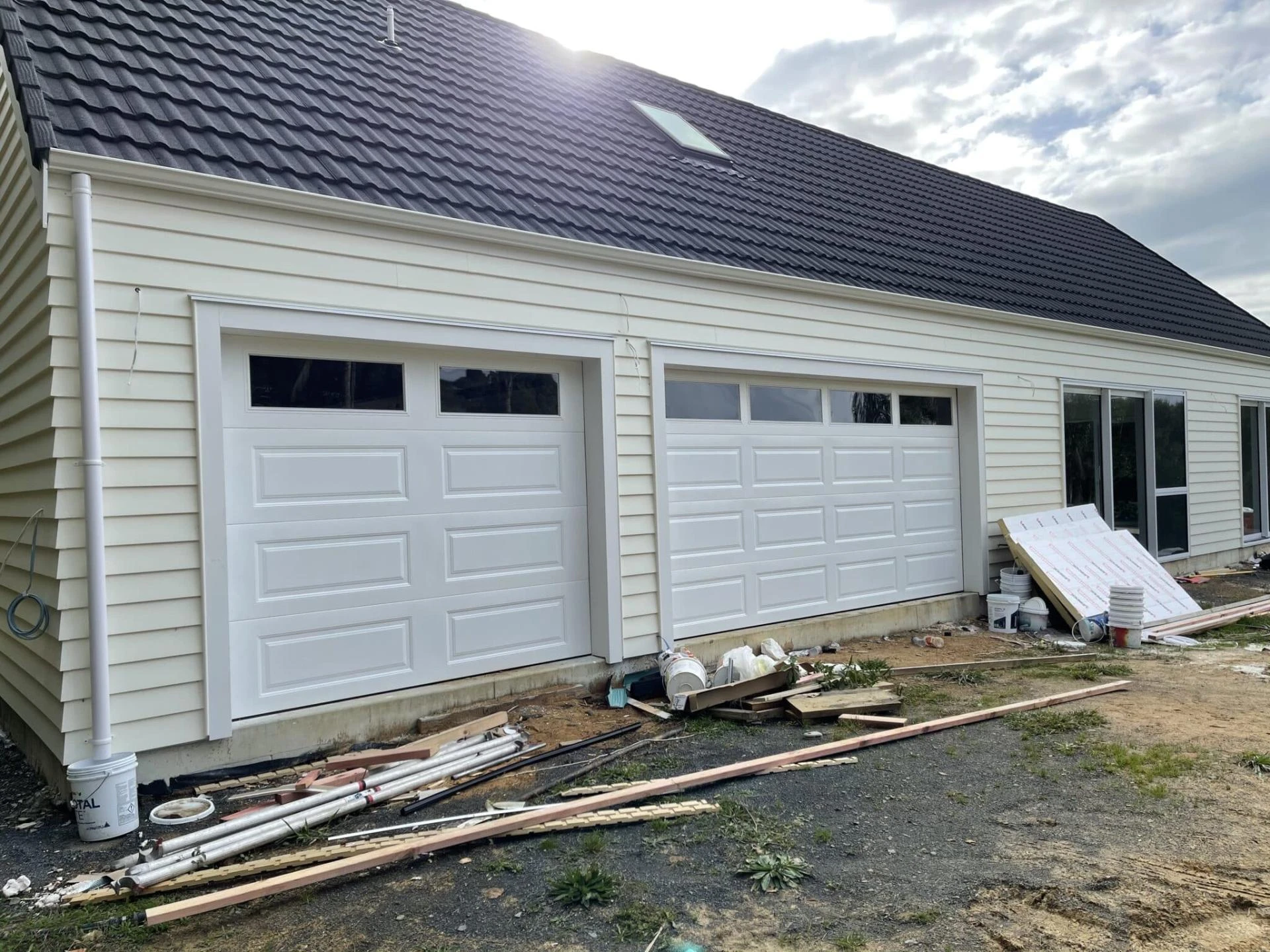

Industrial sites in Auckland face unique demands on their garage doors due to the city's humid coastal climate, heavy freight traffic, and 24/7 operations. Warehouses, factories, and logistics hubs rely on these doors for efficient access, but constant use leads to predictable wear patterns. Understanding common problems helps managers schedule proactive maintenance, minimise downtime, and avoid costly emergency call-outs.
Misaligned Tracks and Rollers
One of the most frequent complaints involves tracks that shift out of alignment over time. Auckland's frequent rain and salty air accelerate corrosion on metal components, causing tracks to warp or loosen. Heavy forklifts and pallet jacks exacerbate this, leading to rollers that bind or derail.
Symptoms include doors that stick midway, make grinding noises, or vibrate excessively. Left unchecked, misalignment stresses motors and springs, potentially causing complete system failure during peak shifts. Regular inspections—checking for gaps wider than 1mm or visible wear—catch issues early.
Spring and Cable Failures
Tension springs bear most of the door's weight, cycling thousands of times yearly in busy sites. Fatigue from high repetitions leads to cracks or snapping, often without warning. Cables attached to these springs fray from friction or rust, risking sudden drops.
In Auckland's damp conditions, moisture infiltration speeds corrosion. Facilities notice uneven lifting, unusual creaking, or one side lagging. Safety protocols demand immediate shutdown; attempting manual operation invites injury. Extension springs pose less risk than torsion types but still require professional replacement.
Motor and Opener Overload
High-duty motors handle frequent openings, but overloading from unbalanced doors or debris shortens lifespan. Auckland dust from construction sites clogs vents, causing overheating. Electrical surges from storms trip breakers or burn out circuit boards.
Signs include sluggish operation, humming without movement, or intermittent failures. Remote signals may weaken from interference near industrial zones. Upgrading to variable-speed drives improves reliability for sites with 50+ daily cycles.
Sensor and Safety Feature Malfunctions
Photoelectric eyes detect obstacles, but dirt, spiderwebs, or misalignment disable them. Auckland's fine mist obscures lenses, preventing auto-reverse. Force sensors fail to calibrate properly after adjustments, risking crushing hazards.
Industrial compliance demands working safety systems; bypassed sensors invite fines or accidents. Monthly cleaning and alignment checks maintain function, especially near loading bays where trucks idle.
Weather Seal and Insulation Breakdown
Doors lose efficiency when seals crack from UV exposure or compression. Auckland's humidity breeds mould inside insulation, degrading R-values and allowing drafts. Water ingress rusts internals, leading to seized mechanisms.
Facilities experience temperature swings affecting stored goods, plus higher energy bills. Replacing seals during annual service restores airtightness, critical for temperature-controlled warehouses.
Remote and Control System Glitches
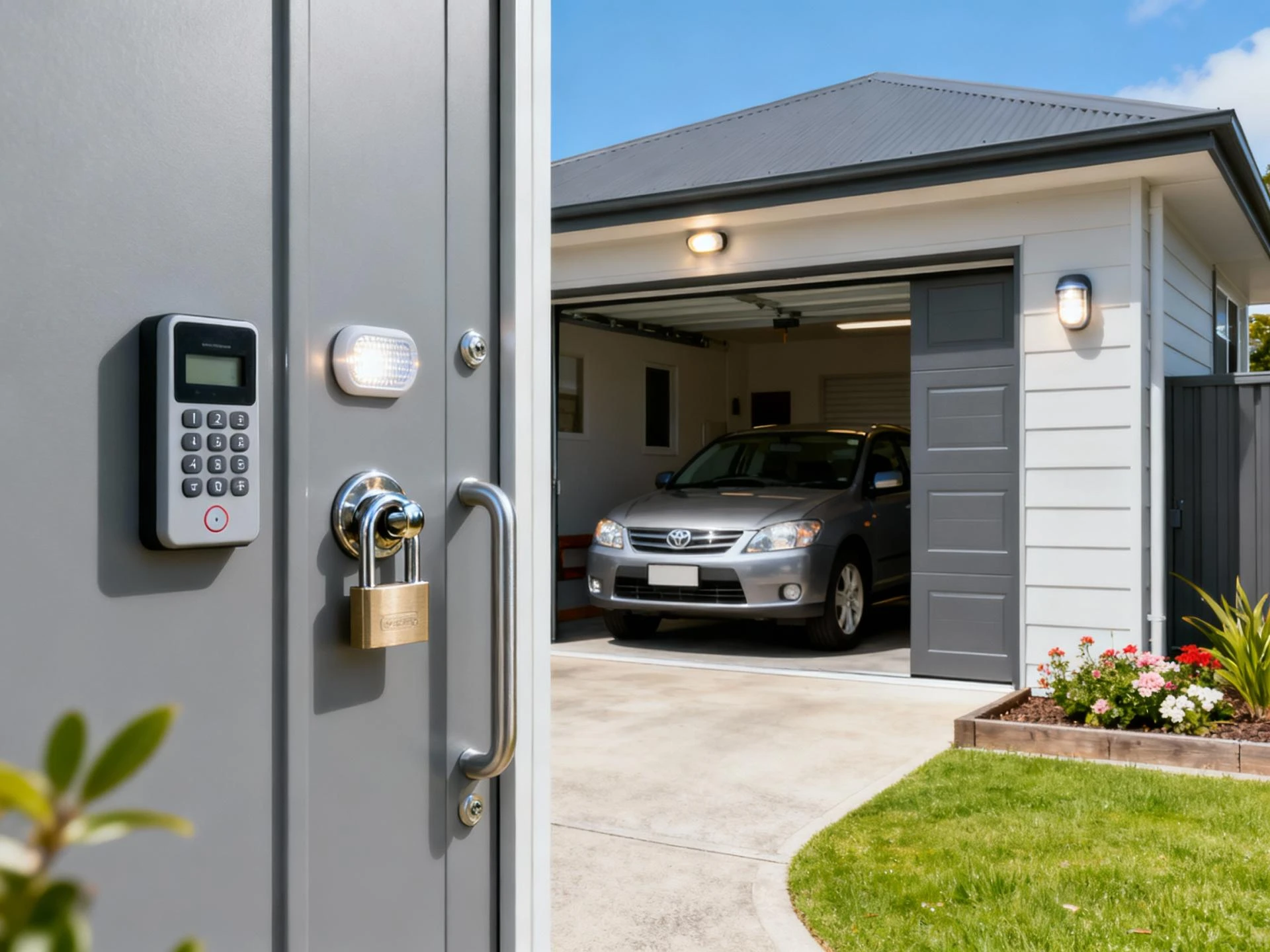
Industrial remotes face wear from dirty hands or drops. Batteries fail in cold snaps, and signal interference from nearby machinery disrupts codes. Keypads wear out from constant use.
Upgrading to long-range, encrypted systems with key fob backups resolves this. Centralised control panels link multiple doors, streamlining operations across large sites.
Impact of Frequent Heavy Use
Auckland industrial doors endure more abuse than residential ones—forklifts dent panels, chemicals corrode finishes, and wind gusts strain frames. Poor lubrication increases friction, accelerating wear on bearings and hinges.
Proactive greasing every three months and panel reinforcements extend life. Sites with automated high-speed doors benefit from cycle counters triggering service alerts.
The Role of Professional Repairs
DIY fixes risk safety and void warranties. Specialists diagnose root causes, from electrical faults to hydraulic issues in large doors. They stock genuine parts, ensuring compatibility.
Prompt response minimises production halts, crucial for just-in-time logistics. Contracts with 24/7 providers prevent weekend breakdowns.
Industrial Roller Door Repairs for Auckland Businesses
For sites using space-saving coil-up designs, industrial roller door repairs address slat damage from impacts or wind uplift. Auckland's coastal corrosion demands galvanised reinforcements; pros realign drums, replace damaged sections, and recalibrate tension for smooth coiling.
These repairs restore thermal performance and noise reduction, vital for internal factory doors. Delaying service risks total replacement, costing thousands.
Garage Door Repairs in Auckland: Local Expertise Matters
When issues arise, garage door repairs in Auckland draw on technicians familiar with NZ standards and import delays. They handle everything from opener programming to full track replacements, often completing jobs same-day for urgent sites.
Post-repair testing verifies balance, speed, and safety, with documentation for insurance claims. Annual contracts include inspections, catching problems before failures.
Prevention Through Scheduled Maintenance
Quarterly checks spot 80% of issues early. Lubricate moving parts, tighten hardware, test electronics, and clean sensors. Log cycles to predict component life.
Training staff on gentle operation—slow forklift approaches, clearing debris—extends door longevity. Weatherproof covers protect exteriors.
Cost of Neglect vs. Investment in Reliability
Emergency fixes cost 2-3x routine service. Downtime from a stuck door halts loading, losing $500-2000/hour in some operations. Proactive care yields 20-30% longer door life.
Choosing the Right Industrial Door Partner
Select providers with NZQA certifications, fleet response vehicles, and parts inventory. Reviews highlight quick turnaround and minimal disruption. Long-term, opt for modular doors allowing easy panel swaps.
Auckland industrial sites thrive with reliable garage doors. Addressing common issues through vigilance and expert intervention ensures security, efficiency, and productivity. Don't wait for breakdowns—invest in maintenance today for tomorrow's smooth operations.























Sign in to leave a comment.