
Gardening can be a rewarding and therapeutic hobby, but even seasoned gardeners can stumble upon pitfalls along the way. Whether you're a green-thumbed enthusiast or just starting out, avoiding common gardening mistakes can save you time, effort, and disappointment. Here’s a guide to some frequent gardening blunders and tips on how to steer clear of them.
1. Overwatering or Underwatering
The Mistake: One of the most common mistakes is not getting the watering just right. Overwatering can lead to root rot and other fungal diseases, while underwatering can cause plants to wilt and die.
How to Avoid It:
- Check Soil Moisture: Use a moisture meter or simply stick your finger about an inch into the soil. Water only when necessary.
- Consider Plant Needs: Different plants have different watering requirements. Research the specific needs of each plant in your garden.
- Improve Drainage: Ensure that pots and garden beds have proper drainage to prevent waterlogging.
2. Planting at the Wrong Time
The Mistake: Planting too early or too late in the season can jeopardize your plants' growth and yield. Cold weather can stunt growth or kill tender plants, while hot weather can stress them.
How to Avoid It:
- Know Your Zone: Familiarize yourself with your hardiness zone and the ideal planting times for your region.
- Use a Planting Calendar: Follow a planting calendar specific to your local climate to time your planting correctly.
3. Neglecting Soil Quality
The Mistake: Poor soil quality can lead to weak plant growth. Soil that is too sandy, clay-heavy, or lacking in nutrients can affect plant health.
How to Avoid It:
- Test Your Soil: Conduct a soil test to determine its pH and nutrient levels. Amend the soil based on the test results.
- Add Organic Matter: Incorporate compost or well-rotted manure to improve soil structure and fertility.
4. Overcrowding Plants
The Mistake: Planting too closely can restrict growth, lead to competition for nutrients, and increase the risk of disease.
How to Avoid It:
- Follow Spacing Guidelines: Refer to the spacing recommendations on plant labels or gardening guides.
- Plan Your Layout: Consider the mature size of each plant when designing your garden layout.
5. Ignoring Sunlight Requirements
The Mistake: Planting sun-loving plants in shady areas or shade-tolerant plants in full sun can hinder growth and flowering.
How to Avoid It:
- Assess Sunlight: Observe your garden’s light conditions throughout the day. Note areas of full sun, partial shade, and full shade.
- Match Plants to Conditions: Choose plants that are suited to the specific light conditions of your garden beds.
6. Using Wrong Fertilizer
The Mistake: Using the wrong type or amount of fertilizer can harm plants or lead to nutrient imbalances.
How to Avoid It:
- Know Your Needs: Understand the nutrient needs of your plants and choose organic fertilizers accordingly.
- Follow Instructions: Adhere to recommended application rates and methods.
7. Failing to Mulch
The Mistake: Skipping mulch can lead to weed problems, soil erosion, and moisture loss.
How to Avoid It:
- Apply Mulch: Use organic mulch like wood chips, straw, or leaves to cover the soil around plants.
- Keep It Fresh: Replenish mulch as needed to maintain its effectiveness.
8. Not Pruning Regularly
The Mistake: Neglecting pruning can result in overgrown plants, reduced flowering, and increased risk of disease.
How to Avoid It:
- Learn Pruning Techniques: Familiarize yourself with proper pruning methods for different types of plants.
- Prune Regularly: Remove dead, diseased, or overcrowded growth to promote healthy plant development.
9. Ignoring Pest and Disease Management
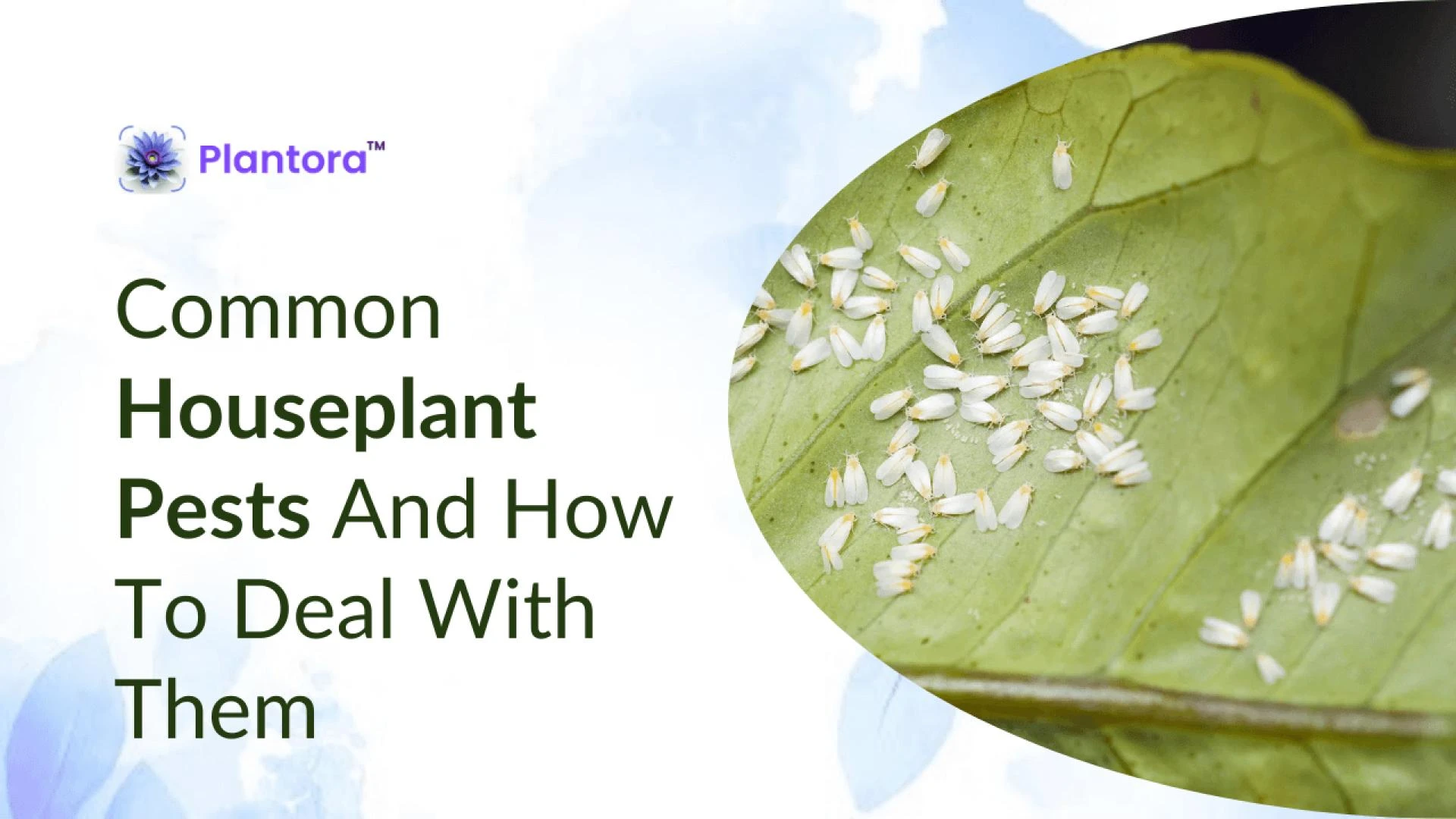
The Mistake: Allowing pests and diseases to go unchecked can cause significant damage to your garden.
How to Avoid It:
- Inspect Regularly: Check plants frequently for signs of pests or disease.
- Use Integrated Pest Management: Implement strategies such as introducing beneficial insects, using organic pesticides, or employing physical barriers.
10. Not Planning for Long-Term Maintenance
The Mistake: Focusing only on initial planting without considering long-term care can lead to problems down the road.
How to Avoid It:
- Create a Maintenance Schedule: Plan for regular tasks such as watering, weeding, and fertilizing.
- Stay Informed: Keep up-to-date with seasonal gardening tasks and adjust your care routine as needed.
Final Thoughts
Gardening is a learning experience, and mistakes are an inevitable part of the journey. By recognizing these common pitfalls and taking proactive steps to avoid them, you can create a thriving, beautiful garden that brings you joy and satisfaction. Remember, every gardener faces challenges. What matters most is how you learn and grow from them.
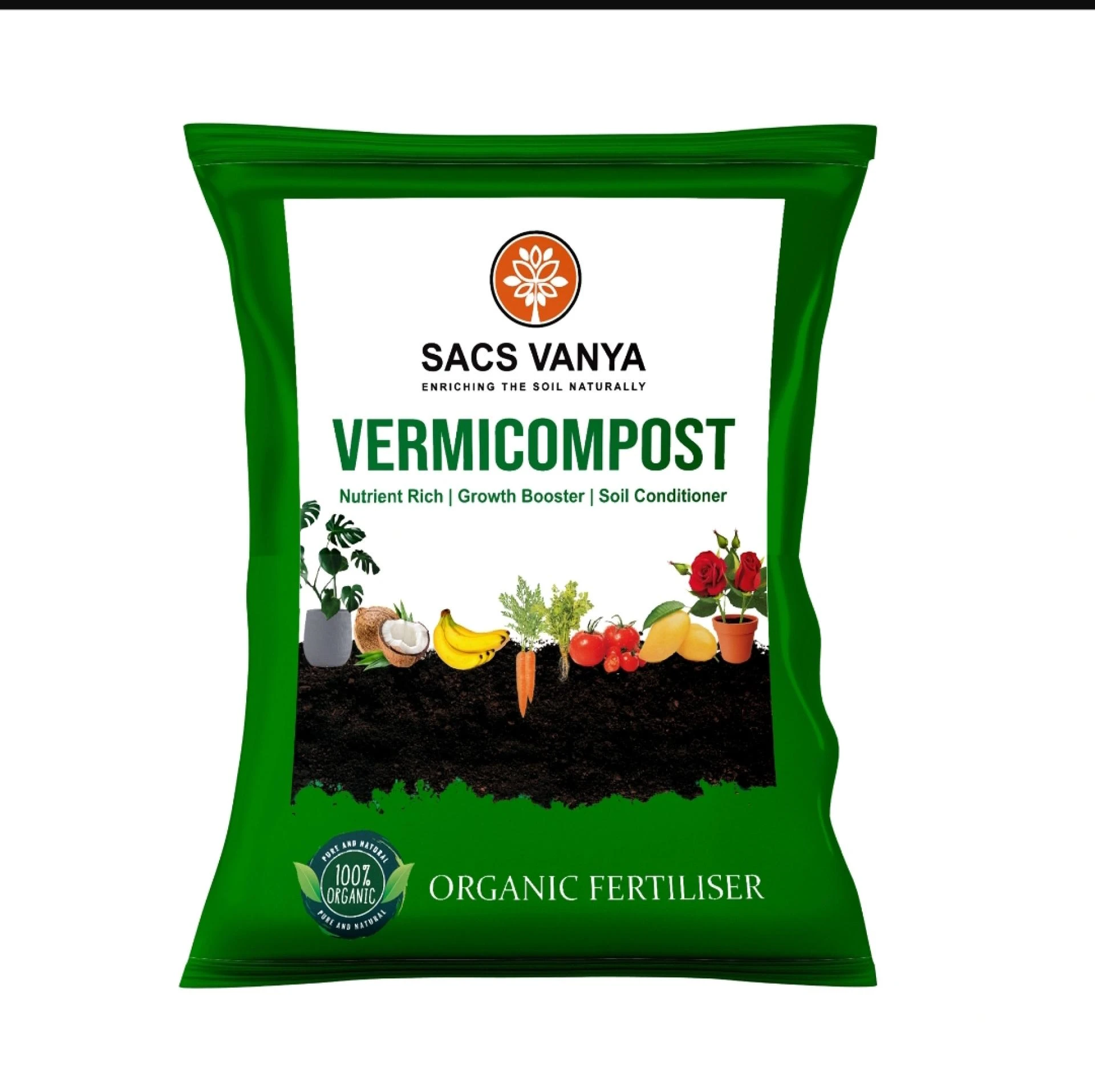
To make gardening easy, try out the best organic fertilizers from SACS Vanya
Happy gardening!



















Sign in to leave a comment.