

Dry cleaning is one of those everyday services that many people rely on but few truly understand. From preserving delicate fabrics to tackling stubborn stains, it plays a crucial role in modern garment care. Yet, despite its widespread use, there are plenty of misconceptions that continue to confuse consumers. These myths can lead to poor clothing care decisions, unnecessary expenses, or even damage to cherished garments.
In today’s fast-paced world, people often depend on laundry and dry cleaning services to maintain their wardrobes, especially when dealing with delicate or high-value clothing. However, misinformation about how dry cleaning works can create unrealistic expectations or unnecessary doubts. By separating fact from fiction, you can make smarter choices and ensure your clothes receive the best possible care.
Dry Cleaning Doesn’t Actually Clean Clothes
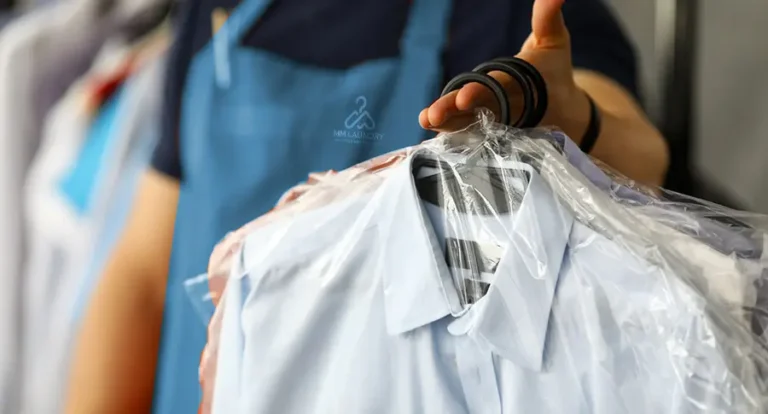
One of the most common myths is that dry cleaning doesn’t really “clean” clothes because it avoids water. This misunderstanding stems from the name itself. In reality, dry cleaning is a highly effective cleaning process that uses specialized solvents instead of water to remove dirt, oils, and stains.
These solvents are particularly good at breaking down grease and oil-based stains that regular washing struggles with. Professional dry cleaning machines are designed to gently agitate garments while thoroughly cleansing them, ensuring both cleanliness and fabric protection. So while water isn’t involved, the cleaning process is far from superficial.
Dry Cleaning Is Only for Expensive or Designer Clothes
Many people believe that dry cleaning is reserved exclusively for luxury garments or designer labels. While it’s true that high-end clothing often requires dry cleaning, it is not limited to expensive items. Everyday garments made from delicate fabrics like wool, silk, rayon, or linen also benefit from this process.
Clothes with intricate details, structured designs, or special finishes often maintain their shape and quality better when dry cleaned. Ignoring care labels simply because an item isn’t “expensive” can lead to shrinkage, fading, or fabric damage. Dry cleaning is about proper care, not just price tags.
Dry Cleaning Uses Harmful Chemicals That Damage Clothes
Another widespread myth is that dry cleaning relies on harsh chemicals that weaken fabrics over time. While older methods did use stronger solvents, modern dry cleaning has evolved significantly. Today’s processes often include safer, more advanced solvents and environmentally friendly alternatives.
Professional cleaners carefully select cleaning methods based on fabric type and condition. They also use controlled processes that minimize wear and tear. In fact, when done correctly, dry cleaning can extend the life of garments by reducing the stress that traditional washing methods might cause.
Dry Cleaning Shrinks Clothes
Shrinkage is often associated with washing clothes in hot water or using high heat during drying. Because dry cleaning avoids water, it significantly reduces the risk of shrinkage. However, this myth persists because people sometimes blame dry cleaning for changes in garment fit.
In most cases, any shrinkage is due to pre-existing conditions, such as fabric instability or improper previous washing. Professional dry cleaners are trained to handle garments carefully and use appropriate temperatures to maintain their original size and shape. If anything, dry cleaning is one of the safest methods for preserving fit.
Stains Always Come Out with Dry Cleaning
While dry cleaning is highly effective, it’s not a miracle solution for every stain. Some people assume that all stains will disappear after one cleaning cycle, which isn’t always realistic. The success of stain removal depends on several factors, including the type of stain, how long it has been there, and the fabric involved.
For example, protein-based stains like blood or sweat may require specialized treatments, while older stains that have set into the fabric can be more difficult to remove completely. Prompt action and proper identification of stains significantly improve the chances of successful cleaning. Dry cleaners often use pre-treatment techniques to address specific issues, but results can vary.
Frequent Dry Cleaning Wears Out Clothes Faster
There is a belief that frequent dry cleaning can weaken fabrics and shorten the lifespan of clothing. In reality, when performed correctly, dry cleaning is a gentle process that helps preserve garments. The absence of water and reduced mechanical stress compared to traditional washing can actually be beneficial.
That said, unnecessary cleaning should always be avoided. Over-cleaning any garment, whether through washing or dry cleaning, can contribute to wear over time. The key is to clean clothes when needed and follow care label instructions. Many items, such as suits or coats, only require occasional cleaning unless visibly soiled.
Dry Cleaning Is Bad for the Environment
Environmental concerns have led to the assumption that all dry cleaning methods are harmful. While it’s true that traditional solvents raised environmental questions in the past, the industry has made significant progress toward sustainability.
Many dry cleaners now use eco-friendly solvents and energy-efficient machines. Some even adopt wet cleaning techniques for suitable fabrics, which use water in a controlled and environmentally responsible way. Consumers can also choose cleaners that prioritize green practices, helping reduce their environmental footprint while still enjoying professional garment care.
Understanding the Truth About Dry Cleaning
Dry cleaning is far more than a convenience—it is a specialized process designed to care for fabrics that require extra attention. By debunking these common myths, it becomes clear that dry cleaning is not only effective but also safe and often essential for maintaining certain types of clothing.
Understanding how it works empowers you to make better decisions about garment care. Whether it’s knowing when to dry clean, recognizing its limitations, or choosing the right service provider, accurate knowledge goes a long way. Instead of relying on outdated assumptions, taking a more informed approach ensures your clothes stay in excellent condition for years to come.
In the end, dry cleaning is not surrounded by mystery—it’s simply misunderstood. Once you separate fact from fiction, you can fully appreciate its value and use it wisely as part of your overall clothing care routine.






























Sign in to leave a comment.