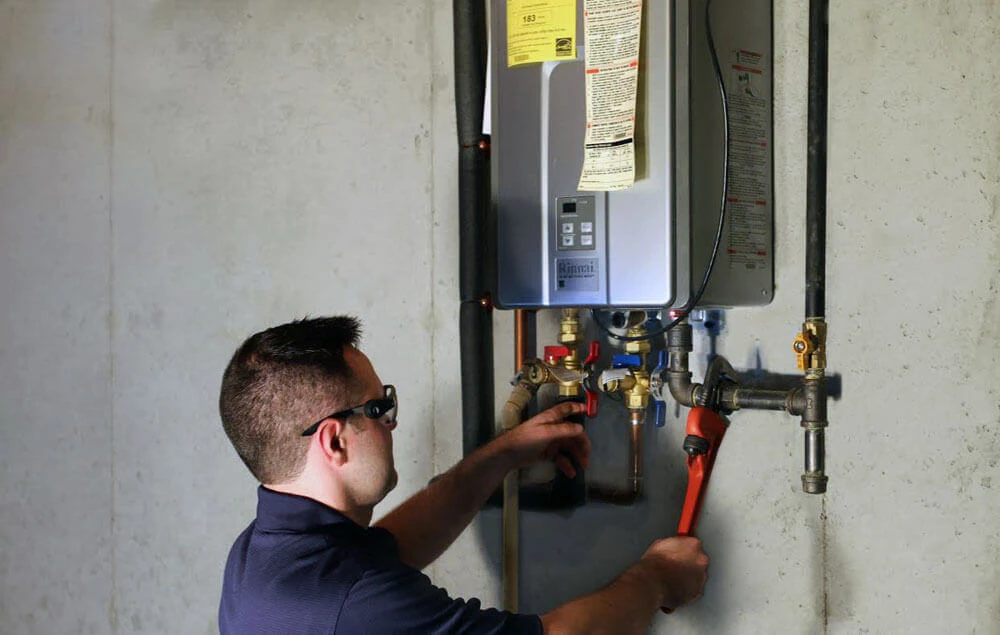

Water Heater Installation & Repair often come with misconceptions that can lead homeowners to make costly or unsafe decisions. Understanding the realities behind these myths helps ensure proper system performance, energy efficiency, and safety. The core truth is that professional evaluation, quality materials, and adherence to current standards are essential for reliable water heater service.
This article uncovers the most common myths about Water Heater Installation & Repair. It provides clear guidance, practical insights, and expert-backed advice to help homeowners make informed choices.
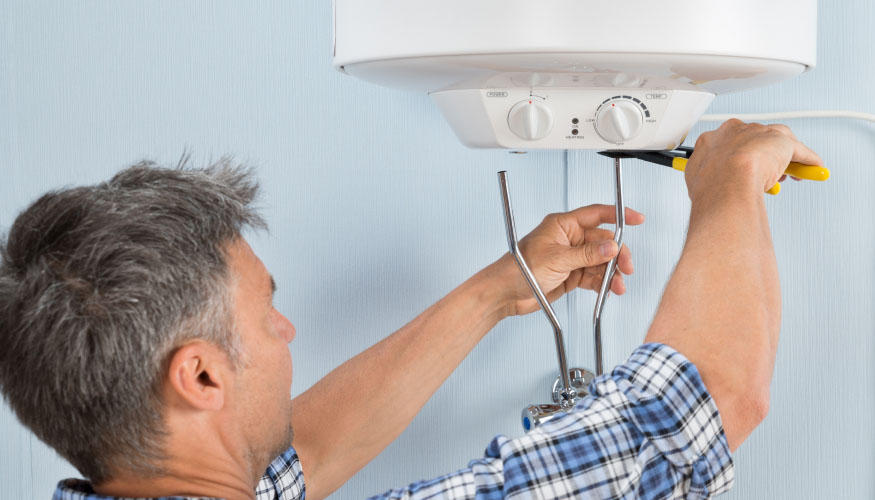
Misconception About Water Heater Lifespan
Many homeowners assume that all water heaters last the same amount of time. Lifespan varies based on type, maintenance, and installation quality. Standard tank water heaters typically last 8–12 years, while tankless units can exceed 20 years with proper care.
Signs Your Water Heater Needs Attention
- Frequent temperature fluctuations
- Strange noises during operation
- Leaks or corrosion around the tank
- Rust-colored water from taps
Tiny Heading Understanding Efficiency
Older units often lose efficiency gradually. Replacing a water heater before it fails can save energy costs and prevent damage to plumbing systems.
Myth That DIY Installation Is Safe
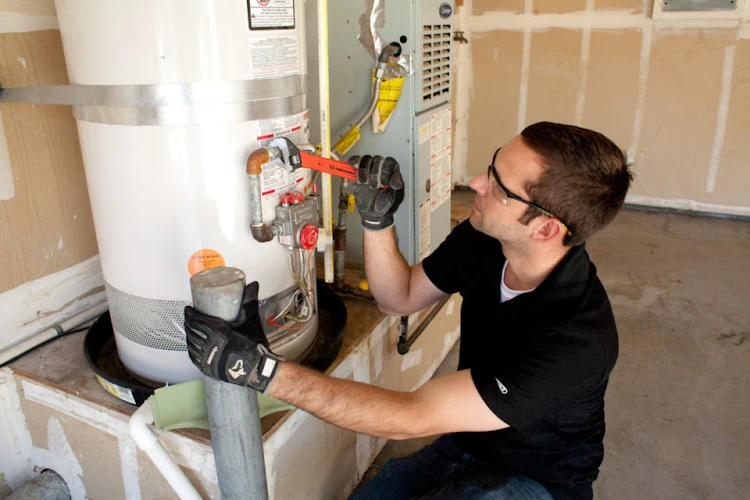
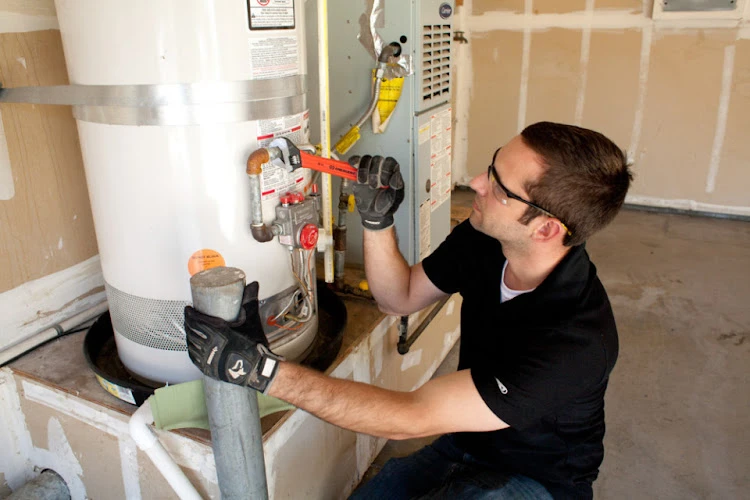
Some believe installing or repairing a water heater is simple enough for DIY. In reality, improper installation can cause leaks, scalding, and electrical hazards. Professional technicians ensure correct placement, venting, and compliance with local building codes.
Risks of DIY Water Heater Work
- Gas leaks or carbon monoxide exposure
- Water damage from improper connections
- Void of manufacturer warranties
Bonus Tips
- Always shut off power or gas before inspecting a unit
- Schedule routine professional inspections to maintain safety
Myth That Bigger Water Heaters Are Always Better
Choosing the largest water heater is not always cost-effective. Oversized units cycle more frequently, wasting energy and shortening lifespan.
Choosing the Right Size
- Calculate household hot water usage
- Consider peak demand periods
- Match unit type to family size and lifestyle
| Water Heater Type | Typical Capacity | Recommended Use | Average Lifespan |
|---|---|---|---|
| Tank (Electric) | 40–80 gallons | Small to medium homes | 8–12 years |
| Tank (Gas) | 40–75 gallons | Medium to large homes | 8–12 years |
| Tankless (Electric/Gas) | N/A, flow-based | Homes with variable usage | 15–20+ years |
This table helps homeowners select a unit that balances capacity, efficiency, and longevity.
Myth That Maintenance Is Optional
Many assume water heaters do not require regular maintenance. Neglecting routine care reduces efficiency and can cause premature failure.
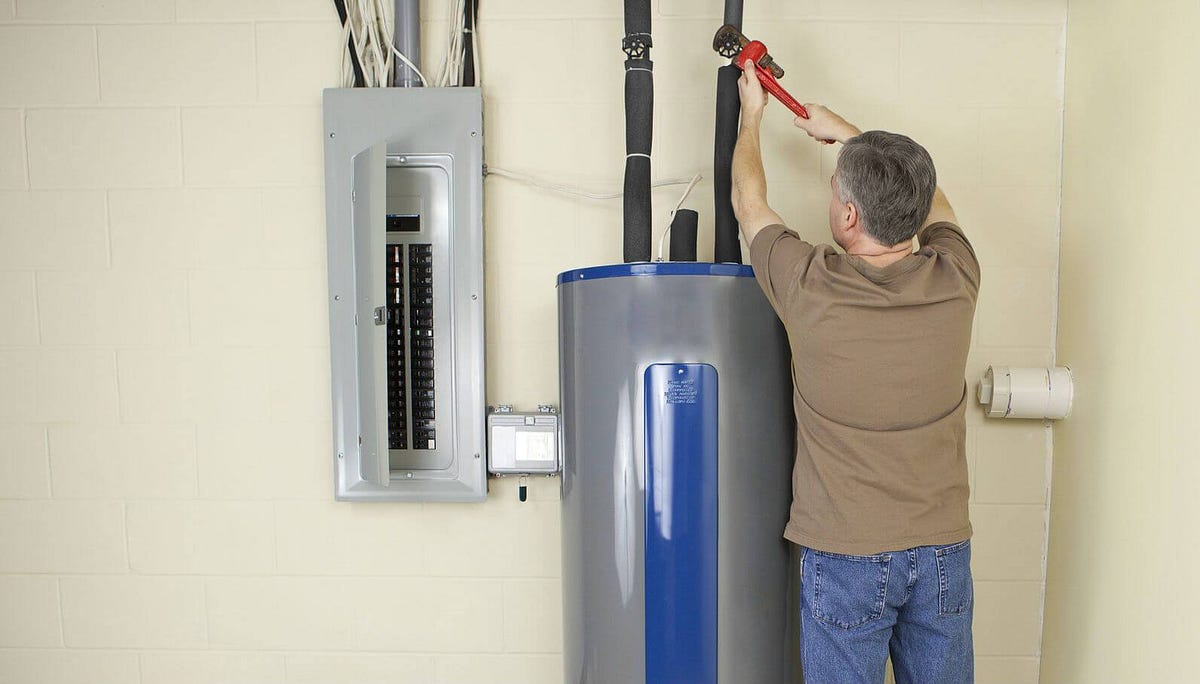
Recommended Maintenance Tasks
- Flush the tank annually to remove sediment
- Inspect the anode rod to prevent corrosion
- Check temperature and pressure relief valves
- Examine venting and gas connections
Tiny Heading Local Climate Considerations
In regions with hard water, mineral buildup accelerates corrosion. Homeowners in these areas should flush units more frequently and consider water softeners.
Things to Consider Before Making a Decision
Before repairing or replacing a water heater, several factors influence the right choice. Consider age, efficiency, repair costs, and household needs.
- Compare long-term energy savings vs upfront costs
- Check warranty coverage and manufacturer recommendations
- Evaluate local building code requirements
- Determine whether a tankless or tank system fits household demand
Bonus Tips
- If repairs exceed 50% of replacement cost, replacement is often more practical
- Track water heater performance to anticipate maintenance needs
Understanding Key Takeaways
Water heater myths can lead to inefficient systems, safety hazards, and unnecessary costs. Homeowners should focus on professional installation, proper sizing, and routine maintenance. Evaluating household needs, system age, and local conditions helps ensure reliable hot water for years to come.
Next Steps for Reliable Service
For homeowners seeking guidance, Simpson Plumbing LLC provides expert evaluation, installation, and repair services. Contact their team via [email protected] or by phone to schedule professional consultation. They offer practical advice tailored to each home’s needs, ensuring safety, efficiency, and long-term performance.
Questions People Ask About Water Heater Installation & Repair
How often should a water heater be replaced
Most tank units last 8–12 years; tankless units can last 15–20 years. Replacement depends on performance and signs of wear.
Can I install a water heater myself
DIY installation is risky. Professionals ensure proper venting, connections, and code compliance.
What is the best way to maintain a water heater
Flush the tank annually, inspect the anode rod, and test safety valves. Professional maintenance is recommended for safety.
Do bigger water heaters save money
Oversized units waste energy. Choosing the correct capacity based on household usage is more efficient.
How do I know if my water heater is failing
Look for leaks, rust, temperature fluctuations, and strange noises. Early detection prevents costly damage.
Author: Bethanie Anderson is the President and General Manager of Simpson Plumbing, leading the company with a focus on teamwork, integrity, and community. She continues to guide local families in trusted plumbing and clean water solutions.
Reviewer: With over 12 years of experience in residential plumbing services, Zoe Carter ensures every detail in this content reflects practical industry knowledge and current plumbing standards.


























Sign in to leave a comment.