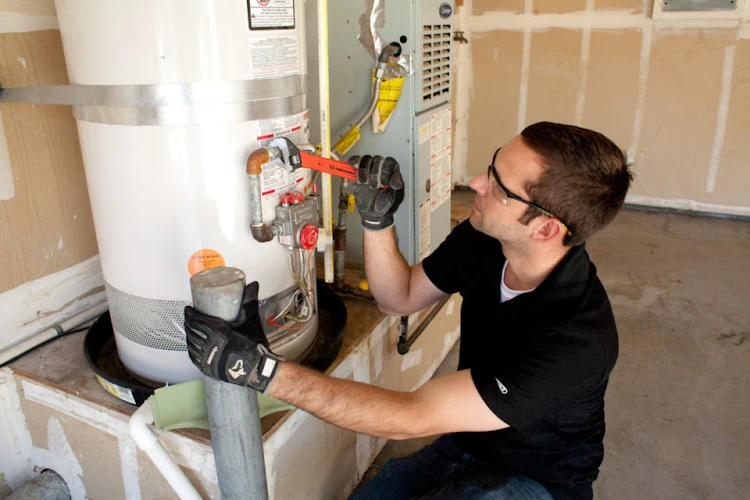
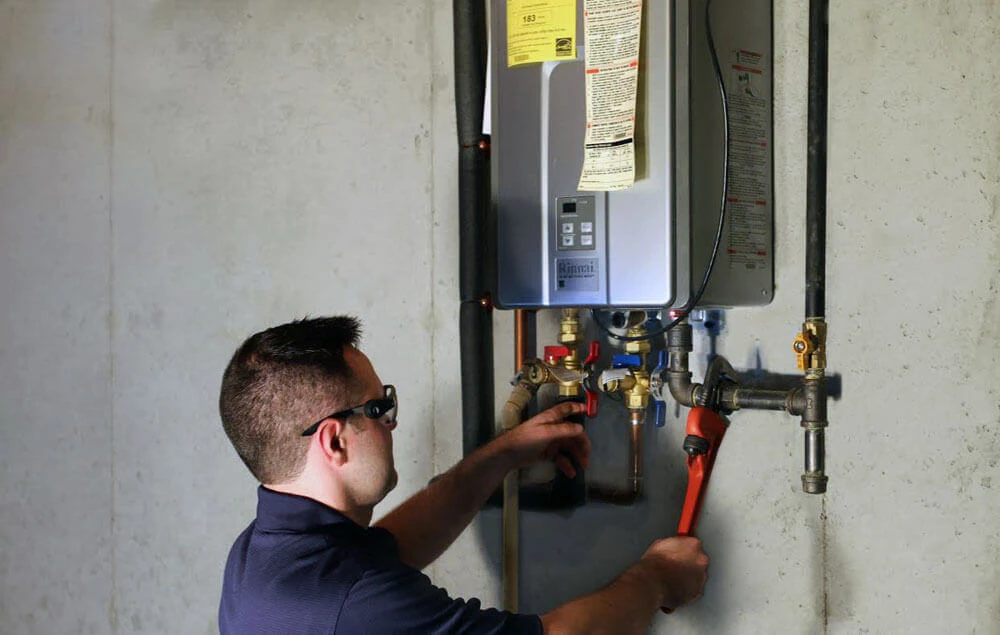
Proper water heater installation and repair can significantly enhance home efficiency by reducing energy waste, improving water flow, and extending the lifespan of the system. Addressing outdated units, leaks, and poorly sized heaters ensures hot water is available when needed without unnecessary energy consumption.
Upgrading or maintaining a water heater can reduce utility bills, prevent frequent repairs, and improve overall household comfort. This guide explains six practical ways water heater services contribute to a more efficient home while maintaining safety and performance. Simpson Plumbing LLC provides decades of experience in residential water heater solutions, offering guidance based on real-world plumbing standards.
Optimize Energy Use with the Right Water Heater
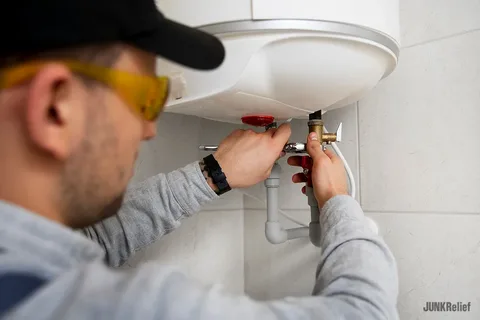
Selecting and installing a water heater with appropriate capacity reduces energy waste. Oversized tanks store more water than needed, increasing standby heat loss, while undersized systems overwork and consume excess energy.
Considerations for Efficiency
- Choose a tank size or tankless unit suitable for household demand
- Match heating power to climate and incoming water temperature
- Consider Energy Star-rated models for improved performance
Bonus Tip
In regions with cold winters, higher-capacity units or condensing models maintain efficiency despite low incoming water temperatures.
Reduce Heat Loss Through Proper Insulation
Heat loss from pipes and tanks can waste up to 20% of a water heater's energy. Proper insulation minimizes this loss.
Key Practices
- Insulate storage tanks and accessible hot water pipes
- Use foam or fiberglass sleeves on older tank heaters
- Ensure fittings and valves are properly sealed
Regional Guidance
Homes in colder climates benefit the most from pipe insulation, preventing heat loss and reducing energy consumption during winter months.
Improve Water Flow and Pressure
Repairing leaks, replacing worn valves, and installing the correct piping diameter ensures consistent water flow. Improved flow reduces the time it takes for hot water to reach fixtures, decreasing energy usage.
Maintenance Tips
- Inspect valves and fittings for corrosion or leaks
- Flush sediment buildup from tank heaters annually
- Adjust water pressure to recommended levels
Bonus Tip
A professionally balanced system reduces strain on pumps and heating elements, enhancing efficiency and prolonging system life.
Switch to Tankless or High-Efficiency Units
Modern tankless water heaters or condensing models provide hot water on demand, reducing standby energy loss associated with traditional tanks.
Benefits
- Heat water only when needed
- Provide continuous hot water for multiple fixtures
- Reduce long-term energy bills
Utilize Smart Controls and Timers
Incorporating smart thermostats or timers allows homeowners to control water temperature and usage more precisely. These systems prevent unnecessary heating during periods of low demand.
Smart Features
- Programmable temperature schedules
- Remote monitoring via smartphone apps
- Alerts for leaks or irregular performance
Bonus Tip
Smart systems are especially useful in vacation homes or properties with variable occupancy, reducing energy waste when the home is unoccupied.
Extend Water Heater Lifespan
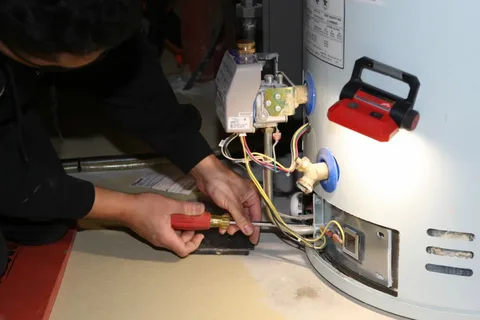
Regular repair and maintenance preserve efficiency by preventing sediment buildup, corrosion, and component failure. Longer lifespan reduces replacement frequency and the associated energy and resource costs.
Routine Practices
- Flush tanks annually to remove sediment
- Replace anode rods and thermostats as needed
- Inspect pressure relief valves and connections
Efficiency Gains Comparison
| Efficiency Measure | Typical Impact on Energy Bills | Recommended Action |
|---|---|---|
| Proper sizing of water heater | 10-20% savings | Match tank/tankless unit to household demand |
| Insulation of tank and pipes | 5-15% savings | Add foam sleeves or blanket insulation |
| Leak repair and valve replacement | 5-10% savings | Annual inspection and maintenance |
| Switching to tankless/condensing models | 15-30% savings | Install high-efficiency units |
| Smart controls and timers | 5-15% savings | Implement programmable systems |
| Regular maintenance | 5-10% savings | Flush tanks and replace worn components |
Things to Consider Before Making a Decision
Before upgrading or repairing, homeowners should evaluate:
- Household Water Demand – Assess simultaneous usage for proper sizing
- Local Climate – Colder regions may require higher capacity or insulation
- Water Quality – Hard water accelerates scaling; consider filtration or softeners
- Budget vs. Long-Term Savings – High-efficiency units may have higher upfront costs but reduce energy bills
- Professional Installation – Ensures safety, code compliance, and optimal efficiency
Questions People Ask
How often should a water heater be serviced for maximum efficiency
Annually is recommended to remove sediment, inspect components, and ensure consistent performance.
Can installing a tankless water heater save energy compared to a tank model
Yes, tankless units reduce standby heat loss by heating water on demand, potentially saving 15-30% on energy bills.
What signs indicate my water heater is inefficient
Long heating times, fluctuating temperatures, leaks, and rising energy bills are common indicators.
Does pipe insulation really improve efficiency
Yes, insulated pipes reduce heat loss, lowering the energy required to maintain hot water.
Should I consider smart controls for my water heater
Smart controls optimize temperature schedules, reduce unnecessary heating, and provide alerts for maintenance, enhancing overall efficiency.
Key Takeaways
Water heater installation and repair improve home efficiency by optimizing energy use, reducing heat loss, maintaining water flow, and prolonging system lifespan. Combining proper sizing, insulation, maintenance, and modern controls ensures reliable hot water while lowering energy consumption. Evaluating household demand, local climate, and system type is essential for long-term efficiency.
Next Steps for Efficient Water Heater Solutions
Homeowners seeking expert water heater installation or repair services can contact Simpson Plumbing LLC for guidance. Their team provides assessments, professional installations, and maintenance tailored to household needs. Reach them via email at [email protected] or by phone to ensure your water heater operates efficiently and reliably.
Author: Bethanie Anderson is the President and General Manager of Simpson Plumbing, leading the company with a focus on trusted plumbing and water solutions for local families.
Reviewer: Zoe Carter has over 12 years of experience in residential plumbing services, ensuring all content reflects practical knowledge and current industry standards.























Sign in to leave a comment.