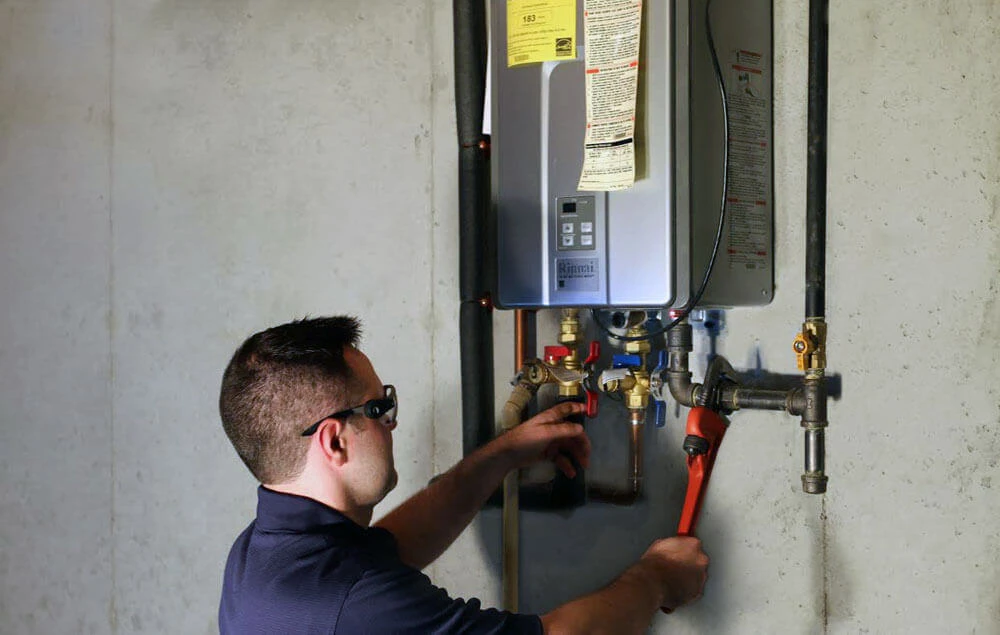
Many homeowners misunderstand tankless water heaters, assuming they always provide unlimited hot water, save money immediately, or require minimal maintenance. These misconceptions can lead to poor purchasing decisions or improper installation. Understanding the facts helps homeowners make informed choices that match their household needs.
Tankless Water Heaters experts note that tankless systems are efficient but require correct sizing, proper installation, and regular maintenance to perform optimally. Addressing myths early prevents disappointment and unnecessary costs.

Myth 1: Hot Water is Unlimited
Tankless units heat water on demand, but output depends on flow rate and household demand.
Flow Rate Limitations
- Exceeding the maximum flow reduces water temperature
- Simultaneous showers or appliances may strain the system
- Proper sizing is essential for consistent performance
Bonus Tips
Select a unit based on peak flow needs, not average usage. A flow rate calculator or professional consultation ensures adequate supply.
Myth 2: Tankless Water Heaters Save Money Instantly
While tankless systems are more energy-efficient, savings appear gradually over time.
- High upfront cost offsets immediate savings
- Energy reduction depends on usage patterns and fuel type
- Maintenance costs can affect long-term financial benefits
Energy Efficiency Insights
Modern tankless models can reduce energy consumption by up to 30% compared to conventional tanks, especially in regions with high hot water demand.
Myth 3: Minimal Maintenance is Needed
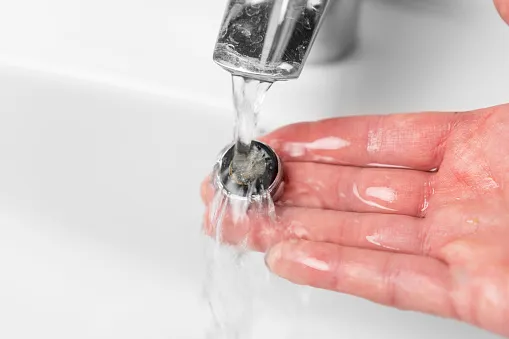
Tankless water heaters require regular servicing to prevent scale buildup and maintain efficiency.
- Descaling is needed in areas with hard water
- Filter and inlet checks prevent damage to heating elements
- Professional inspection every 1–2 years ensures safety
Regional Guidance
Homes in hard water regions, such as parts of the Pacific Northwest, should install a water softener or schedule more frequent maintenance to protect the unit.
Myth 4: Any Tankless Unit Fits Any Home
Incorrect sizing can lead to lukewarm water or insufficient flow. Proper evaluation of household needs is critical.
- Calculate peak flow rates for showers, appliances, and faucets
- Consider simultaneous usage and household size
- Account for climate-specific temperature differences
Bonus Tips
For colder regions, the incoming water temperature is lower, which may require a higher-capacity or multiple units to meet demand.
Myth 5: Installation is Simple
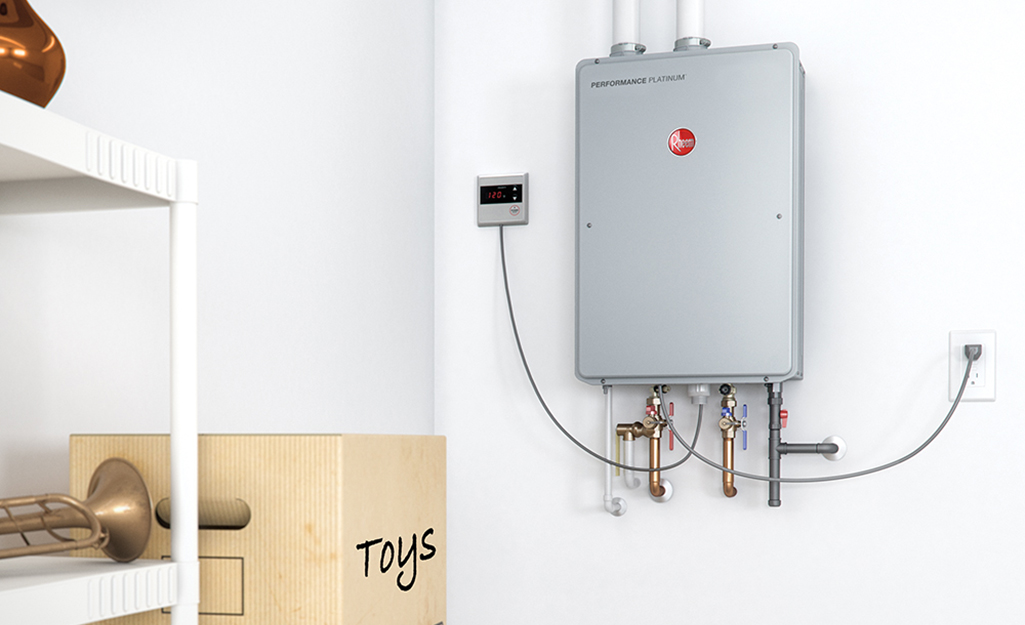
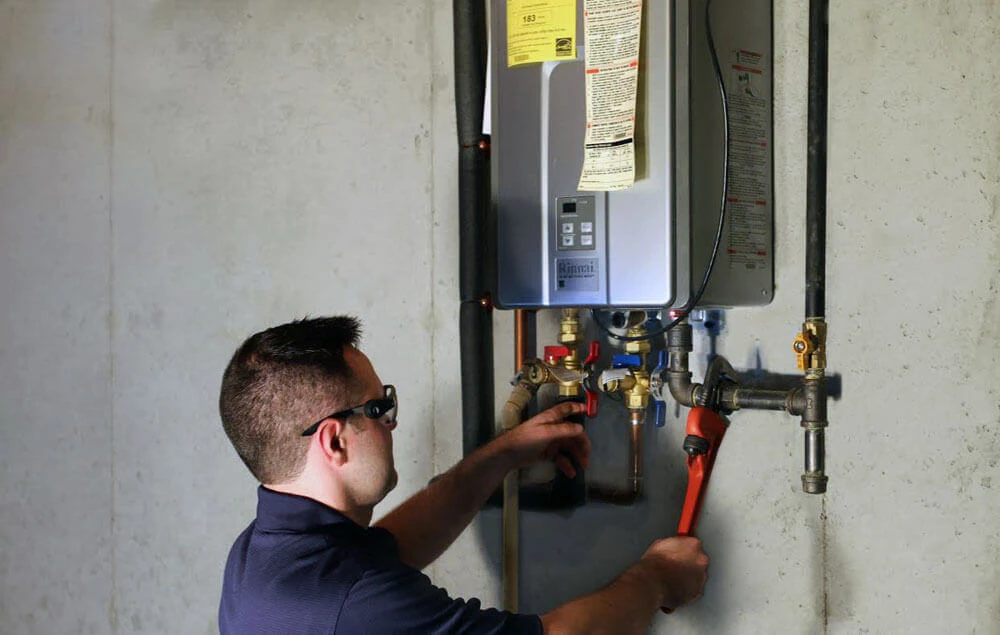
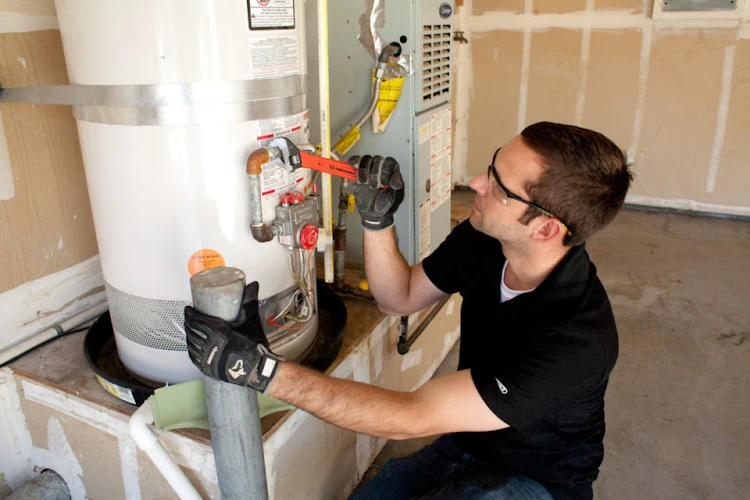
Tankless systems require precise venting, electrical connections, and gas line considerations. Mistakes can reduce performance or create hazards.
- Venting must meet manufacturer and local code standards
- Gas units need sufficient pressure and pipe diameter
- Electric models require dedicated circuits to prevent overload
Table Comparing Common Misconceptions
| Misconception | Reality | Expert Recommendation |
|---|---|---|
| Unlimited hot water | Output depends on flow rate | Size unit for peak demand |
| Immediate cost savings | High upfront cost, gradual savings | Evaluate long-term efficiency benefits |
| Low maintenance | Requires regular descaling and inspection | Schedule annual professional servicing |
| Fits any home | Unit must match household size and climate | Consult a professional for sizing |
| Easy installation | Requires proper venting, gas, or electrical setup | Hire trained installers |
Things to Consider Before Making a Decision
Before purchasing a tankless water heater, consider:
- Household size and peak hot water usage
- Incoming water temperature and regional climate
- Energy source availability and cost
- Installation requirements and professional support
Conclusion
Understanding tankless water heaters prevents common misconceptions from affecting purchase decisions or performance. Key considerations include proper sizing, maintenance, and installation. Homeowners should evaluate household needs, local climate, and energy goals before selecting a system.
Take Action to Learn More
Homeowners seeking professional guidance on tankless water heaters can contact Simpson Plumbing LLC. Their team provides expert evaluation, installation, and maintenance advice. Reach out via [email protected] or phone to ensure the right system for your home.
Questions People Ask About Tankless Water Heaters
How long do tankless water heaters last?
They can last 20 years or more with proper maintenance, compared to 10–15 years for traditional tank systems.
Do they really save energy?
Yes, they reduce standby heat loss, but savings depend on usage patterns and local energy costs.
Can multiple outlets use hot water simultaneously?
Yes, if the unit is properly sized, but undersized units may struggle with multiple simultaneous demands.
Is venting difficult for gas units?
Proper venting is critical for safety and efficiency. Gas units require precise installation according to code.
Do they work in cold climates?
They work efficiently, but colder incoming water may require higher capacity or multiple units to maintain desired temperatures.
Author: Bethanie Anderson is the President and General Manager of Simpson Plumbing, leading the company with a focus on integrity, teamwork, and community while delivering trusted plumbing and clean water solutions.
Reviewer: With over 12 years of experience in residential plumbing, Zoe Carter ensures content reflects practical knowledge and current industry standards.
























Sign in to leave a comment.