Low water pressure in Stevenson homes often stems from aging infrastructure, mineral buildup in pipes, or faulty pressure-reducing valves. In this region, the combination of older municipal lines and high mineral content in the water supply frequently leads to constricted flow over time. Addressing these issues usually requires a systematic check of the home plumbing system and an evaluation of your modern water filtration, ranging from simple aerator cleaning to professional pipe replacement.
Understanding the mechanics of water flow is essential for any homeowner dealing with a weak shower or a slow-filling washing machine. This guide covers common technical failures found in Skamania County homes and provides actionable steps to restore proper flow. Experts in the plumbing industry consistently find that early detection of pressure drops can prevent more expensive repairs, such as burst pipes or water heater failure.
Common Internal Causes for Reduced Flow
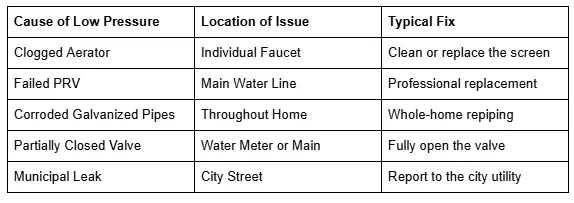
Internal plumbing issues are the most frequent culprits when one house has poor pressure while neighbors do not. Over time, galvanized steel pipes, common in many older Stevenson residences, corrode from the inside out. This rust creates a rough surface that catches sediment, eventually narrowing the path for water.
Another frequent issue involves the Pressure Reducing Valve (PRV). Most homes in hilly areas like Stevenson utilize these valves to protect pipes from the high pressure used to move water up steep terrain. When a PRV fails, it often sticks in a closed or partially closed position, drastically cutting the flow to the entire house.
Mineral Accumulation and Fixture Clogs
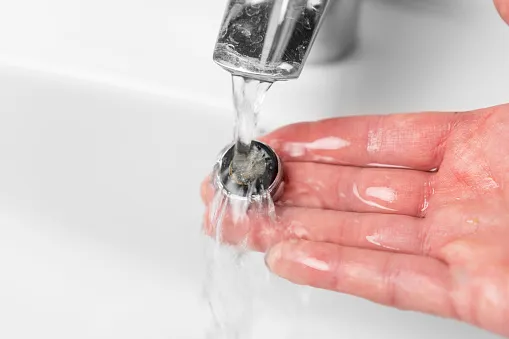
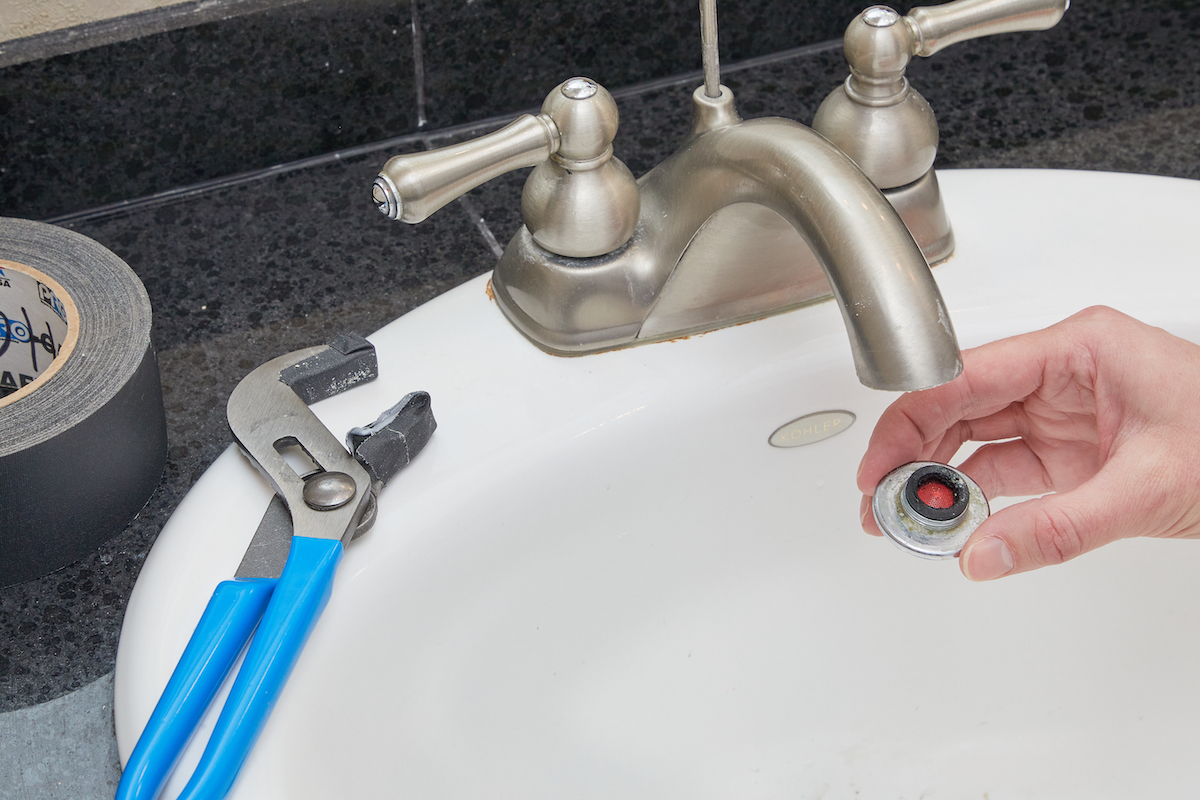
Stevenson's water can carry minerals that settle in various parts of the plumbing system. Aerators, the small screens at the end of faucets, are the first place these minerals collect. If only one faucet has low pressure, cleaning its screen often fixes the problem. Similarly, showerheads can become clogged with calcium deposits, which are easily removed with a brief soak in a descaling solution or by implementing better water filtration strategies.
Water Main and Shutoff Valve Issues
Sometimes the problem isn't inside the walls but at the entry point. If the main shutoff valve is not fully open, water flow will be restricted. This often happens after a homeowner or a contractor performs a minor repair and forgets to turn the valve back to the fully open position. It is a simple check that can save a lot of frustration.
External Factors and Municipal Influence
While many issues are within the homeowner's control, local infrastructure also impacts how much water reaches a property. Stevenson’s unique geography means the city uses various pumping stations and gravity-fed reservoirs. If the city is performing maintenance on a water main or if there is a leak in the municipal line, residents will notice a temporary pressure drop.
Technical Inspections and Leak Detection
A sudden pressure drop often signals a leak. When water escapes from a pipe before reaching the fixture, the remaining volume loses its force. In the Pacific Northwest, where ground shifting can occur due to heavy seasonal rains, underground water lines are susceptible to cracks.
Signs of Hidden Leaks
Homeowners should monitor their water meters when no water is running. If the meter continues to spin, a leak is present. Common spots include the line between the meter and the house, or under the crawlspace. Detecting these early is vital, as a small leak can quickly erode the soil under a foundation or lead to significant mold issues.
Bonus Tip: You can check the pressure at an outside hose bib using a simple pressure gauge. If the reading is below 40 PSI, the issue is likely with the main supply or the PRV rather than individual fixtures.
Climate Impact on Water Pressure
The Stevenson climate also plays a role in plumbing health. During cold snaps, pipes that are not properly insulated can partially freeze. This ice creates a temporary blockage that mimics low water pressure. If the pressure drops specifically during a freeze, it is a warning sign that pipes are at risk of bursting.
Bonus Tip: To ensure consistent flow, insulate exposed pipes in crawlspaces and attics before the first frost. This helps maintain water temperature and prevents blockages during the winter months.

Things to Consider Before Making a Decision
Before investing in major plumbing upgrades, homeowners should evaluate several factors to ensure they choose the right solution for their specific property.
- Age of the Plumbing System: If the home was built before the 1960s and still has original pipes, a patch fix might only be temporary.
- Water Quality: High mineral content may require the installation of a water filtration system or water softener to prevent future clogs in new pipes or appliances.
- Expansion Needs: If planning a bathroom addition or a kitchen remodel, the current main line might need an upgrade to handle the increased demand.
- Local Elevation: Properties at higher elevations in Stevenson naturally experience different pressure levels than those near the river, which may necessitate a booster pump.
Finding Solutions for Water Pressure Problems
Is it normal for water pressure to drop when two things are running?
It is common but not necessarily "normal" for modern systems. Significant drops usually indicate that the main supply line is too small for the home’s needs or that there is a restriction in the main pipe, such as heavy mineral scaling or a failing pressure regulator.
How do I know if my pressure-reducing valve is bad?
A failing PRV often causes a vibrating or humming sound in the pipes. You might also notice that the pressure is fine for a split second when you turn on a tap, but then immediately drops to a trickle.
Can a water heater cause low pressure?
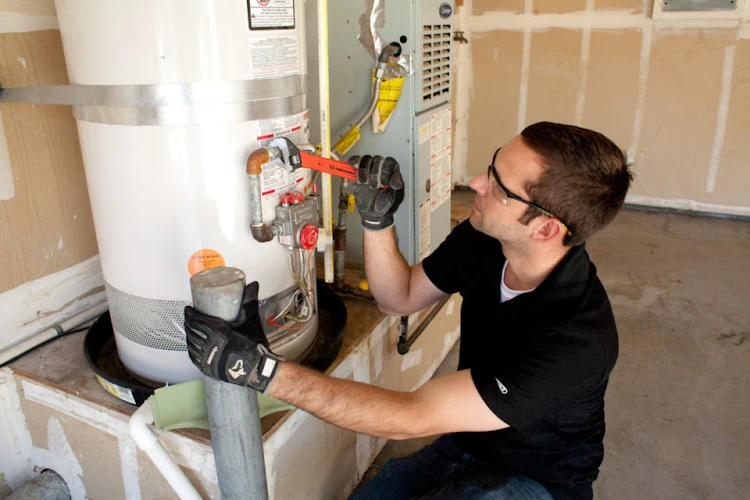
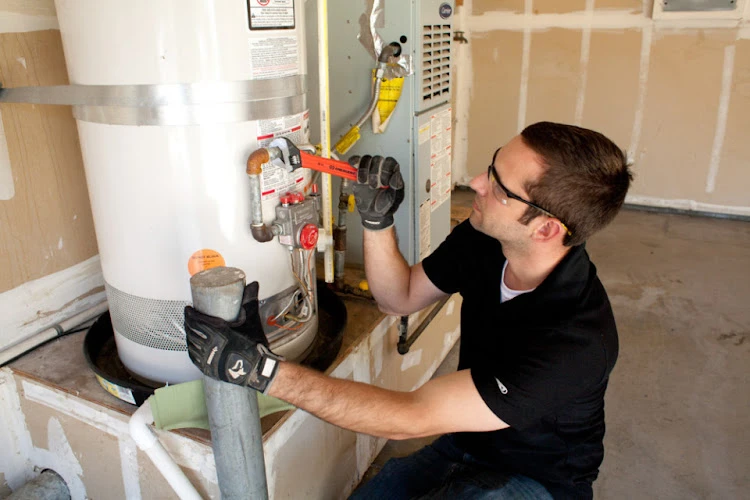
Yes, but only on the hot water side. If cold water pressure is fine but hot water is weak, the issue is likely sediment buildup inside the tank or a partially closed shutoff valve on the water heater's inlet pipe.
Does the city of Stevenson adjust water pressure?
The city maintains a standard pressure range, but it may adjust flow during repairs or during periods of high demand, such as firefighting emergencies. If the low pressure is town-wide, the city utility office usually provides updates on its website.
Evaluating Your Home Plumbing Needs
Resolving low water pressure requires a logical approach to identify whether the fault lies in a single fixture, the home's piping, or the municipal supply. Residents should start with the simplest checks, like cleaning aerators and verifying valve positions, before moving to more complex diagnostic tools. If the problem persists across all fixtures or involves the main service line, professional diagnostic equipment and an assessment of your home's water filtration needs are often necessary to pinpoint the exact location of the restriction. Taking action early ensures the plumbing system remains reliable and prevents the accelerated wear on appliances that inconsistent pressure can cause.
Expert Assistance for Stevenson Homeowners
For those dealing with persistent water flow issues, consulting with a professional service provider can provide a clear path forward. Companies like Simpson Plumbing LLC specialize in diagnosing complex pressure problems and offer comprehensive services, including leak detection, pipe repair, and PRV replacement. They also handle larger projects such as whole-home repiping and water filtration installations for those needing a more permanent fix. To discuss specific plumbing concerns or schedule an inspection, they can be reached at [email protected]. Their team is experienced with the specific geographic and infrastructural challenges found in the Stevenson area.

























Sign in to leave a comment.