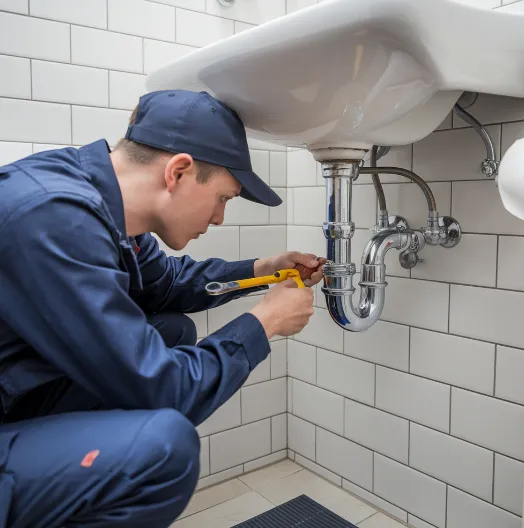

Plumbing problems are among the most common issues homeowners face. While some plumbing issues may seem minor at first, they can quickly develop into costly repairs if left unresolved. Understanding the most common plumbing problems and taking preventive measures can help protect your home, reduce repair expenses, and keep your plumbing system functioning efficiently.
Leaking Faucets
A dripping faucet may appear harmless, but even a small leak can waste a significant amount of water over time. Leaks are often caused by worn-out washers, damaged seals, or faulty internal components.
How to Prevent It
- Avoid over-tightening faucet handles.
- Replace worn washers and seals when necessary.
- Schedule regular plumbing inspections to identify early signs of wear.
- Address minor drips before they become larger leaks.
Blocked Drains
Blocked drains are one of the most frequent plumbing issues in homes. Hair, soap residue, grease, food scraps, and other debris can accumulate inside pipes, restricting water flow and causing backups.
How to Prevent It
- Use drain strainers in sinks, showers, and bathtubs.
- Avoid pouring grease or cooking oils down the drain.
- Dispose of food waste properly instead of rinsing it into the sink.
- Periodically flush drains with hot water to help remove buildup.
Running Toilets
A running toilet can waste hundreds of litres of water each day. Common causes include worn flapper valves, faulty fill valves, or improperly adjusted float mechanisms.
How to Prevent It
- Inspect toilet components regularly.
- Replace worn or damaged internal parts promptly.
- Avoid using excessive force on toilet handles.
- Address unusual sounds or continuous water flow immediately.
Low Water Pressure
Low water pressure can make everyday tasks such as showering, washing dishes, and cleaning more difficult. It may result from mineral buildup, hidden leaks, pipe corrosion, or issues within the water supply system.
How to Prevent It
- Clean showerheads and faucet aerators regularly.
- Schedule routine plumbing maintenance.
- Repair leaks as soon as they are detected.
- Replace aging pipes when necessary.
Leaking Pipes
Pipe leaks can occur due to corrosion, shifting foundations, excessive water pressure, or aging plumbing materials. Even small leaks can lead to water damage, mould growth, and higher water bills.
How to Prevent It
- Inspect visible pipes for signs of corrosion or moisture.
- Monitor water bills for unexpected increases.
- Insulate exposed pipes to protect them from temperature fluctuations.
- Arrange regular professional plumbing inspections.
Water Heater Problems
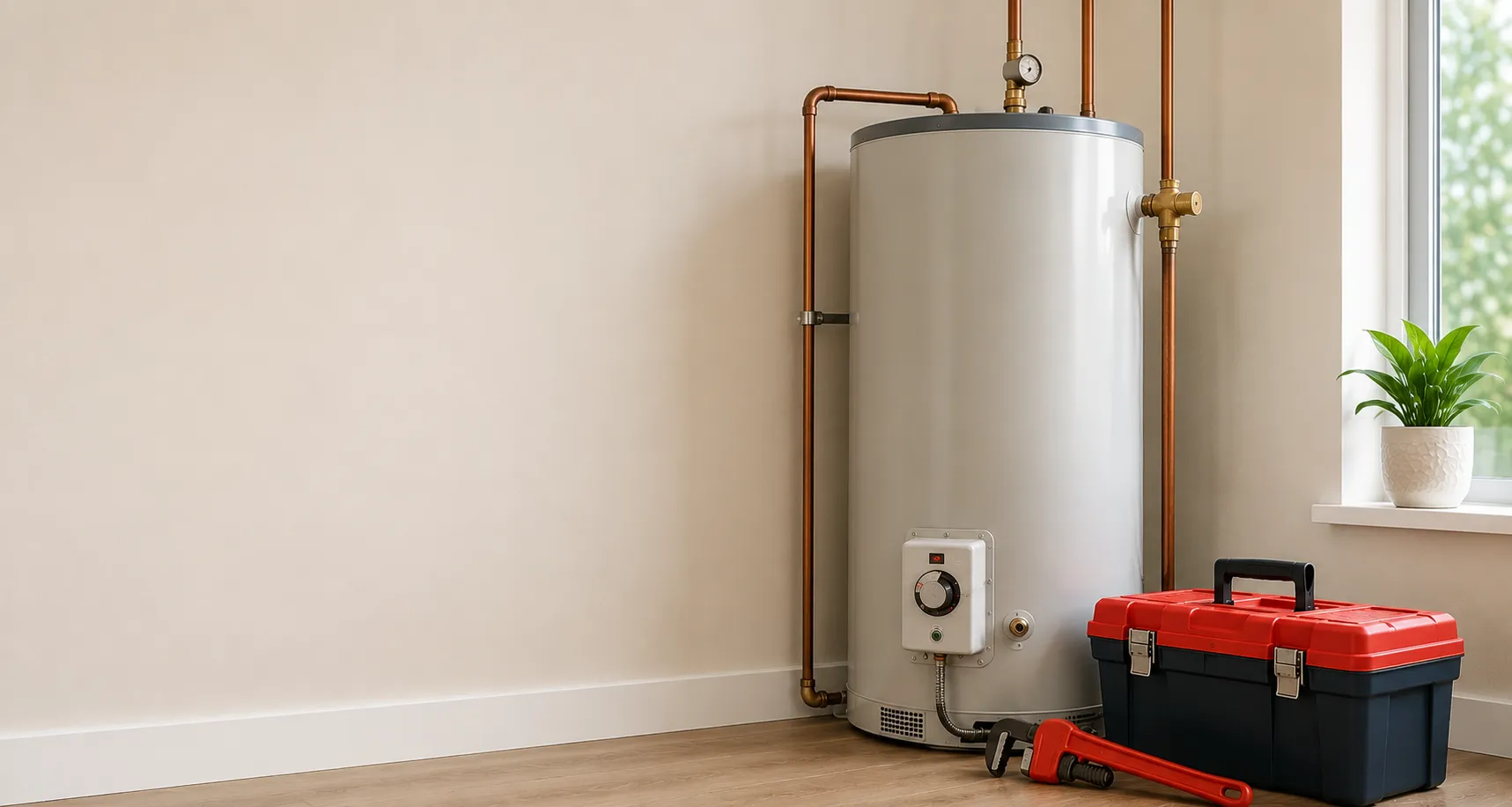
Hot water systems can develop issues such as inconsistent water temperature, unusual noises, leaks, or reduced efficiency. Sediment buildup inside the tank is a common cause of many water heater problems.
How to Prevent It
- Schedule regular water heater maintenance.
- Flush the tank periodically to remove sediment.
- Check for signs of rust or corrosion.
- Replace aging systems before major failures occur.
Burst Pipes
Burst pipes can cause extensive water damage and often require emergency repairs. They may result from aging pipes, excessive water pressure, blockages, or environmental factors.
How to Prevent It
- Monitor water pressure levels.
- Repair minor leaks promptly.
- Replace old or deteriorating pipes.
- Ensure plumbing systems receive regular professional inspections.
Sewer Line Blockages
Sewer line problems can lead to slow drains, unpleasant odours, and wastewater backups. Common causes include tree root intrusion, pipe damage, and accumulated debris.
How to Prevent It
- Avoid flushing non-biodegradable items.
- Schedule periodic sewer line inspections.
- Be cautious when planting trees near underground pipes.
- Address slow-draining fixtures before the issue worsens.
Faulty Garbage Disposals
Garbage disposals can become jammed or damaged when improper materials are placed inside them. Fibrous foods, grease, bones, and hard objects can all cause problems.
How to Prevent It
- Only dispose of suitable food scraps.
- Run cold water while operating the disposal.
- Avoid putting grease, oils, or hard materials into the unit.
- Clean the disposal regularly to prevent buildup.
Hidden Water Leaks
Not all plumbing leaks are immediately visible. Hidden leaks behind walls, beneath floors, or underground can cause significant structural damage and mould growth before they are discovered.
How to Prevent It
- Watch for unexplained increases in water bills.
- Look for damp spots, mould, or musty odours.
- Schedule professional leak detection services when necessary.
- Conduct routine plumbing inspections throughout the home.
The Importance of Preventive Plumbing Maintenance
Many plumbing issues can be avoided through regular maintenance and early intervention. Routine inspections help identify potential problems before they become emergencies, saving homeowners time, money, and stress. Preventive maintenance also extends the lifespan of plumbing systems and helps ensure reliable performance throughout the year.
Conclusion
Plumbing problems are a normal part of homeownership, but many can be prevented with proper care and regular maintenance. From leaking faucets and blocked drains to hidden leaks and water heater issues, understanding the warning signs allows homeowners to act quickly and avoid costly damage. Investing in preventive plumbing care helps keep your home's plumbing system efficient, reliable, and problem-free for years to come.


















Sign in to leave a comment.