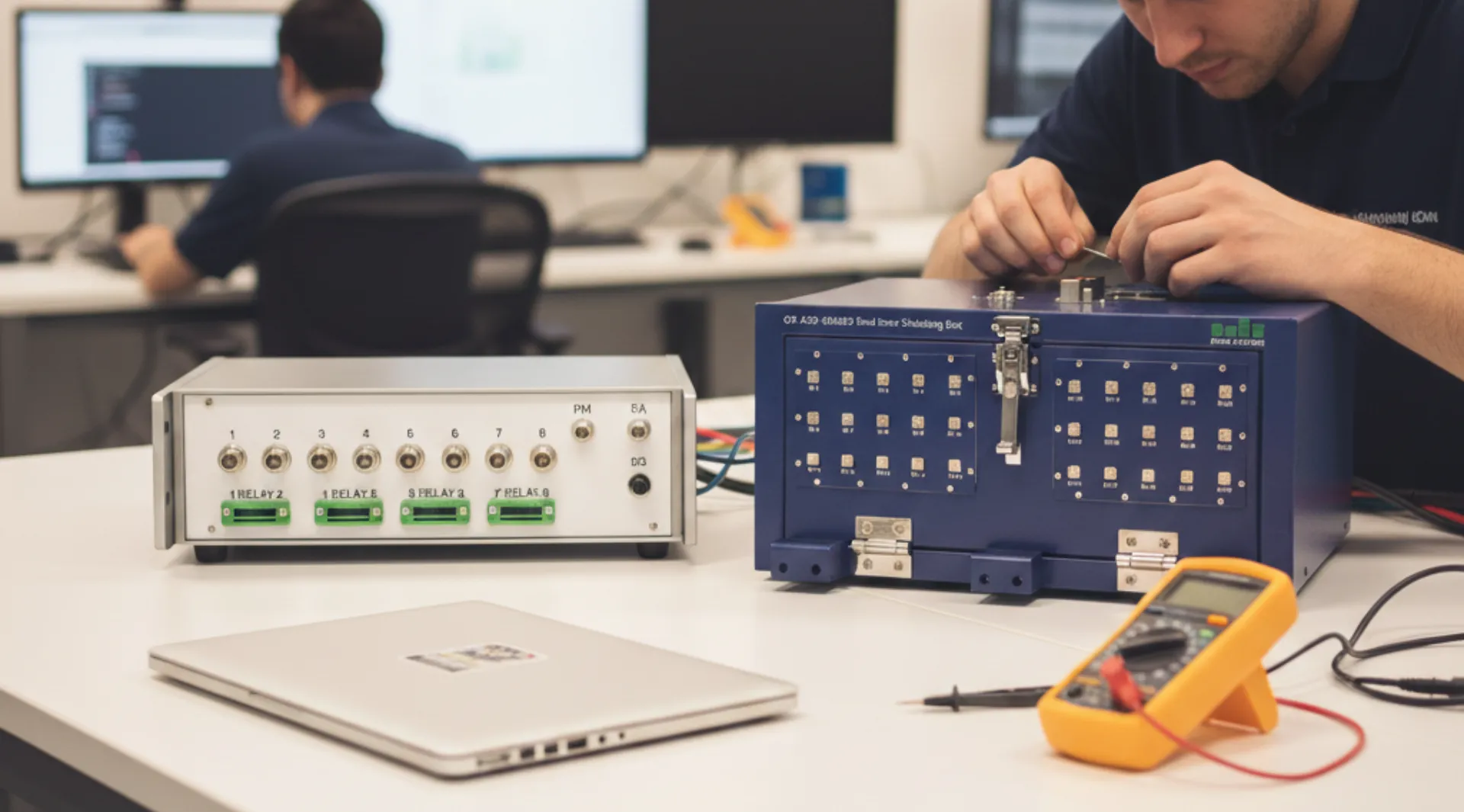

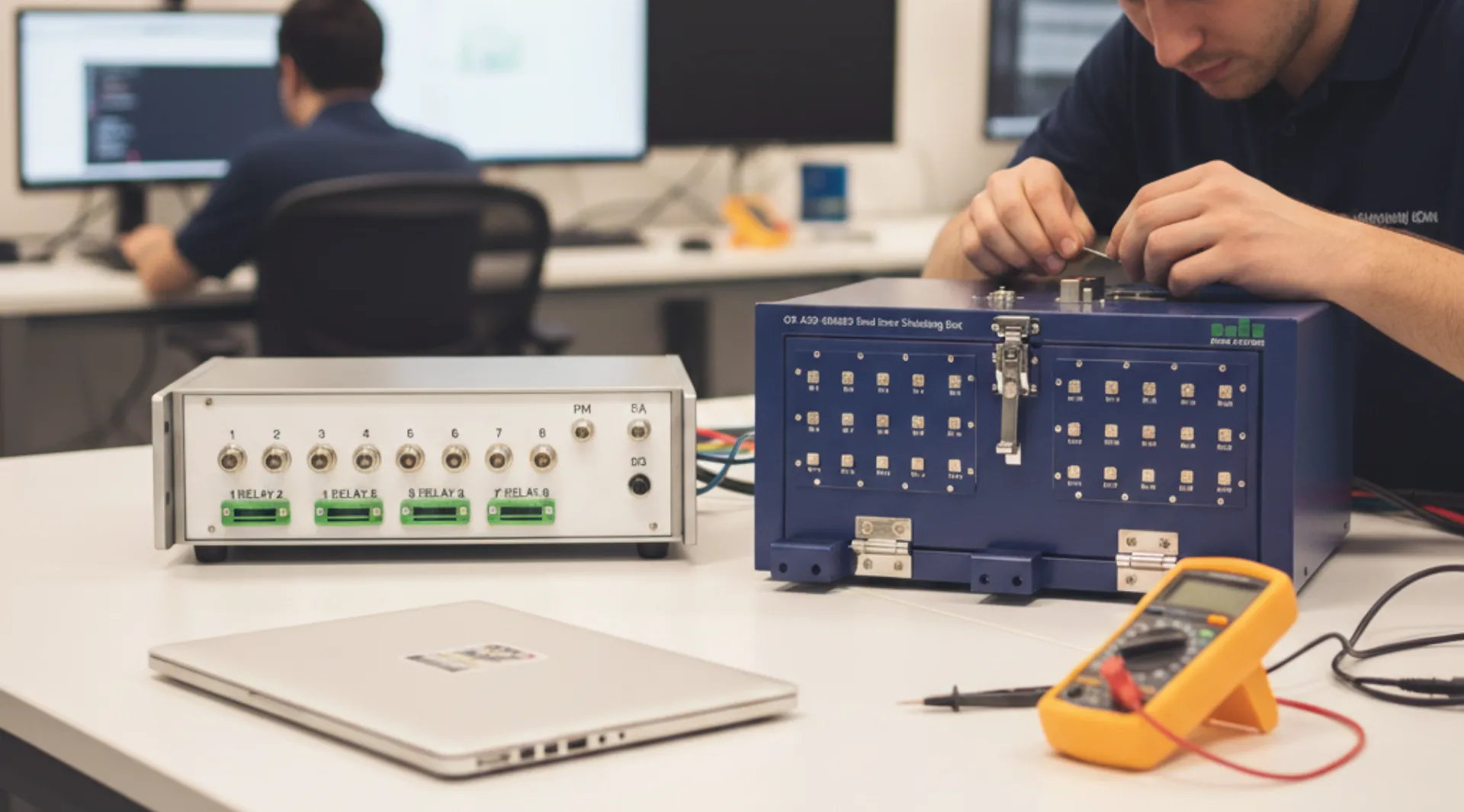
Accurate testing depends on more than advanced instruments and sophisticated software. The performance, reliability, and longevity of testing systems are heavily influenced by how well they are maintained. Whether operating RF testing systems, automated test platforms, or telecommunications equipment, organizations that overlook proper test equipment maintenance often face unexpected downtime, inconsistent results, and increased operational costs.
Many maintenance issues are preventable. By understanding the most common mistakes and implementing practical maintenance strategies, businesses can improve equipment reliability, reduce disruptions, and maximize the return on their technology investments.
Key Takeaways
- Proper test equipment maintenance improves measurement accuracy and reliability.
- Preventive maintenance helps reduce unexpected downtime.
- Calibration schedules should never be ignored.
- Environmental factors can significantly impact equipment performance.
- Documentation and maintenance records support long-term equipment health.
- Regular inspections help identify problems before they become costly failures.
Why Test Equipment Maintenance Matters
Test equipment is often used to validate products, verify performance, and ensure compliance with industry requirements. Any degradation in equipment performance can affect testing accuracy and lead to unreliable results.
Effective test equipment maintenance helps organizations:
- Maintain measurement consistency
- Extend equipment lifespan
- Improve operational efficiency
- Reduce repair expenses
- Support compliance requirements
- Minimize production interruptions
Without a structured maintenance approach, even high-quality equipment can become a source of costly operational challenges.
Mistake #1: Skipping Preventive Maintenance
One of the most common mistakes organizations make is waiting until equipment fails before taking action.
Reactive maintenance often leads to:
- Increased downtime
- Emergency repair costs
- Missed project deadlines
- Reduced equipment reliability
How to Avoid It
Develop a preventive maintenance schedule that includes:
- Routine inspections
- Cleaning procedures
- Performance verification
- Component replacement planning
- System health checks
Regular maintenance helps identify minor issues before they become major problems.
Mistake #2: Ignoring Calibration Schedules
Calibration is essential for maintaining accurate and repeatable measurements.
When calibration intervals are missed, equipment may gradually drift from its specified performance range, leading to inaccurate test results.
How to Avoid It
Create a documented calibration program that includes:
- Scheduled calibration intervals
- Calibration certificates
- Traceability records
- Performance verification checks
Following manufacturer recommendations helps ensure measurement integrity.
Mistake #3: Poor Environmental Control
Test equipment is sensitive to environmental conditions such as:
- Temperature fluctuations
- Humidity
- Dust accumulation
- Vibration
- Electromagnetic interference
Ignoring these factors can reduce equipment accuracy and shorten service life.
How to Avoid It
Maintain a controlled testing environment by:
- Monitoring temperature and humidity
- Implementing dust control measures
- Using appropriate shielding where necessary
- Reducing vibration exposure
Stable environmental conditions help protect both equipment and measurement quality.
Mistake #4: Neglecting Cleaning Procedures
Dust, debris, and contamination can affect connectors, sensors, cooling systems, and internal electronics.
Over time, contamination may contribute to overheating, signal degradation, or equipment failure.
How to Avoid It
Establish cleaning procedures that include:
- External surface cleaning
- Connector inspection
- Air filter maintenance
- Cooling system checks
- Cable and interface inspections
Routine cleaning often prevents larger maintenance issues from developing.
Mistake #5: Using Improper Handling Practices
Many equipment failures result from improper handling rather than normal wear and tear.
Examples include:
- Incorrect cable connections
- Improper transportation
- Rough handling
- Poor storage practices
How to Avoid It
Provide training for operators and maintenance personnel.
Clear procedures should address:
- Equipment startup and shutdown
- Safe transportation
- Storage requirements
- Connector handling practices
Proper handling reduces unnecessary damage and repair costs.
Mistake #6: Failing to Maintain Accurate Records
Without maintenance records, organizations often struggle to identify recurring issues or predict future failures.
Lack of documentation can make troubleshooting more difficult and reduce maintenance effectiveness.
How to Avoid It
Maintain detailed records of:
- Maintenance activities
- Calibration history
- Equipment repairs
- Component replacements
- Inspection findings
Historical data supports better decision-making and long-term asset management.
Mistake #7: Delaying Replacement of Aging Components
Some components naturally degrade over time, even when equipment appears to be functioning normally.
Waiting for complete failure can increase downtime and create additional repair requirements.
How to Avoid It
Monitor component health and replace aging parts proactively.
Pay close attention to:
- Fans
- Power supplies
- RF connectors
- Cables
- Mechanical assemblies
- Batteries
Proactive replacement reduces unexpected disruptions.
Mistake #8: Overlooking Software and Firmware Updates
Modern testing systems often depend on software and firmware to maintain functionality and compatibility.
Outdated versions can introduce performance issues and security risks.
How to Avoid It
Review manufacturer updates regularly and implement approved updates according to established maintenance procedures.
Building an Effective Test Equipment Maintenance Strategy
Successful maintenance programs combine preventive practices, proper documentation, environmental controls, and ongoing performance verification.
Key elements include:
Scheduled Maintenance
Create recurring maintenance activities based on manufacturer recommendations and operational requirements.
Calibration Management
Ensure all instruments remain within specified performance limits.
Environmental Monitoring
Control conditions that can impact equipment reliability.
Staff Training
Equip personnel with the knowledge required to operate and maintain equipment properly.
Continuous Improvement
Review maintenance data regularly and refine processes based on performance trends.
Keep Your Testing Operations Running at Peak Performance
Reliable testing starts with reliable equipment. By avoiding common test equipment maintenance mistakes and implementing a proactive maintenance strategy, organizations can improve accuracy, increase uptime, and maximize the value of their testing investments.
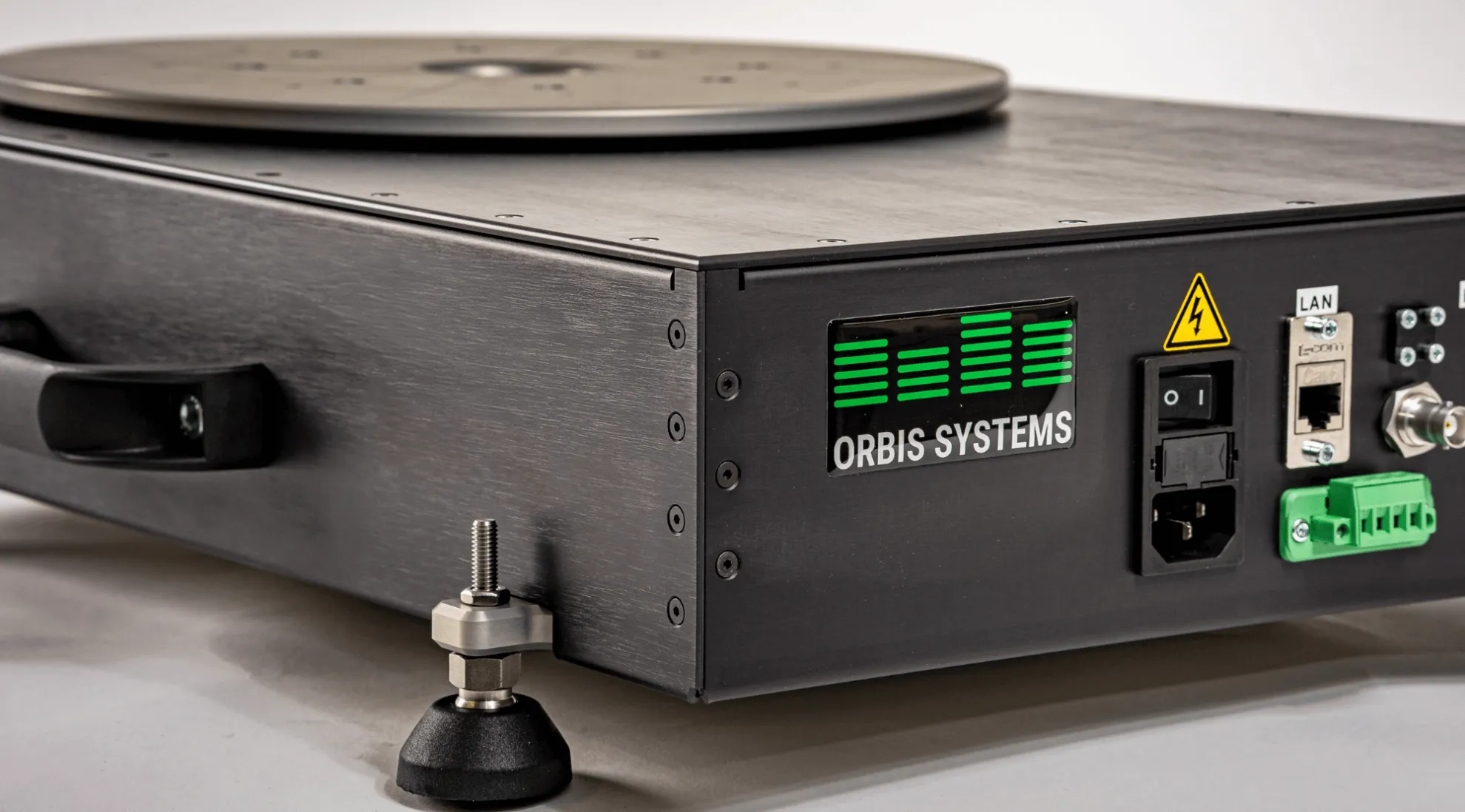
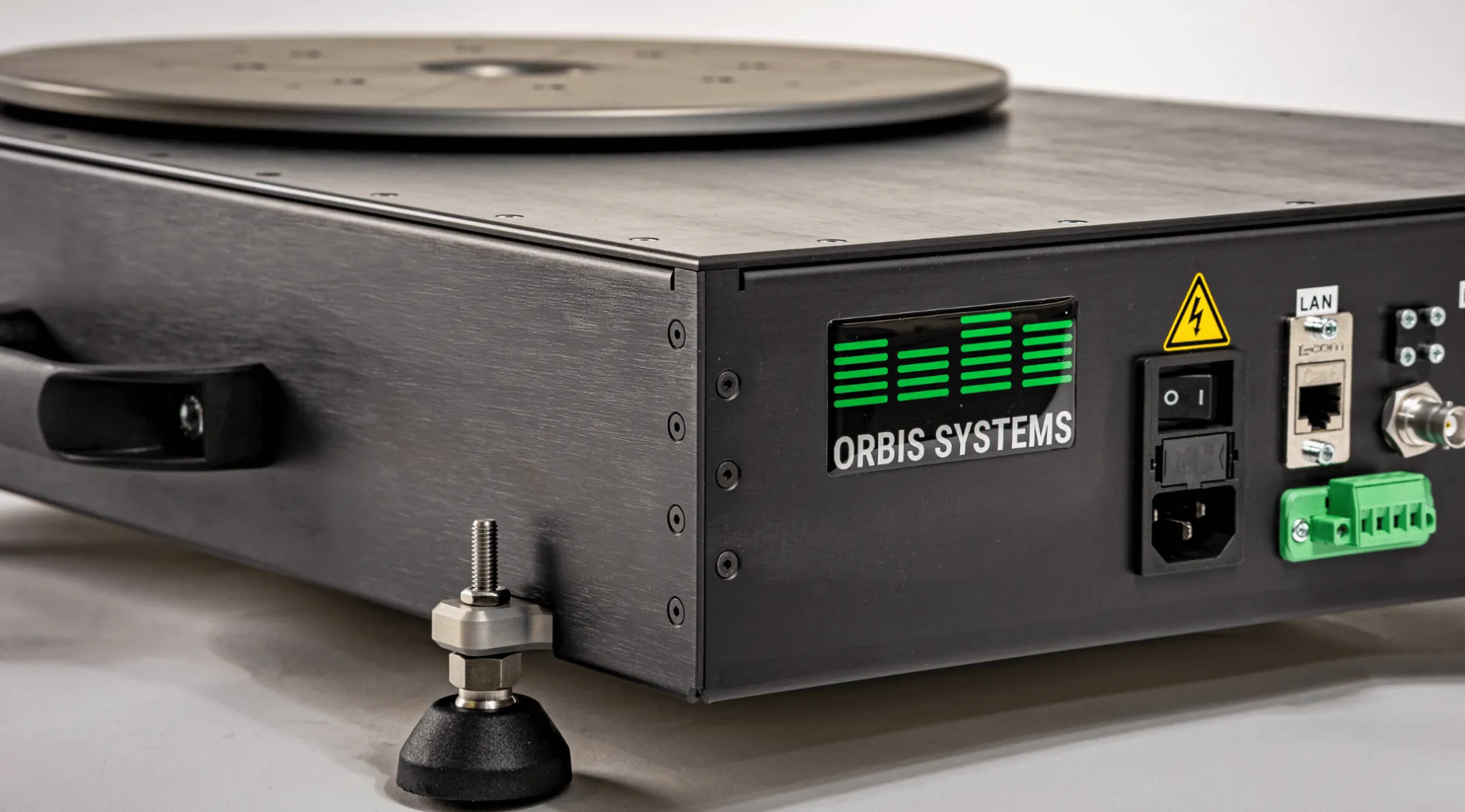
At Orbis Systems, we help organizations build dependable testing environments through innovative testing solutions, system integration expertise, and long-term support designed to keep critical operations performing at their best.
Frequently Asked Questions
What is test equipment maintenance?
Test equipment maintenance involves routine inspection, calibration, cleaning, repair, and performance verification activities that help ensure reliable operation and accurate measurements.
Why is test equipment maintenance important?
Proper maintenance improves measurement accuracy, reduces downtime, extends equipment lifespan, and helps maintain operational efficiency.
How often should test equipment be calibrated?
Calibration frequency depends on equipment type, manufacturer recommendations, usage conditions, and industry requirements.
What are the most common maintenance issues with test equipment?
Common issues include missed calibrations, environmental damage, contamination, aging components, improper handling, and inadequate documentation.
Can preventive maintenance reduce repair costs?
Yes. Preventive maintenance helps identify issues early, reducing the likelihood of expensive emergency repairs and unexpected downtime.
























Sign in to leave a comment.