
In today’s interconnected world, effective collaboration is the cornerstone of successful community outreach. Nonprofits, social service organizations, and healthcare providers depend heavily on timely communication, seamless referrals, and accurate data sharing to deliver meaningful support to the people they serve. This is where Community Referral Management Software emerges as a transformative solution. By automating referrals, optimizing partner coordination, and ensuring transparency, this software has become indispensable in empowering nonprofits to amplify their social impact and streamline the entire service delivery ecosystem.
Understanding the Essence of Community Referral Management Software
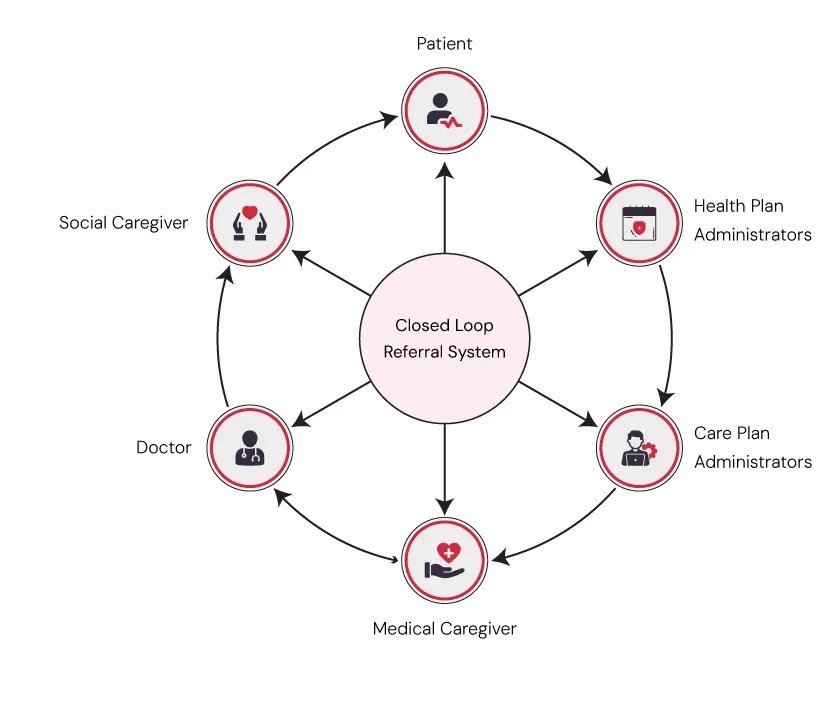
Community Referral Management Software serves as a digital hub that connects multiple stakeholders—nonprofits, healthcare providers, local agencies, and volunteers—within a single, cohesive platform. Instead of relying on manual communication, emails, or fragmented systems, organizations can use this centralized solution to track client referrals, manage service requests, and monitor outcomes in real-time.
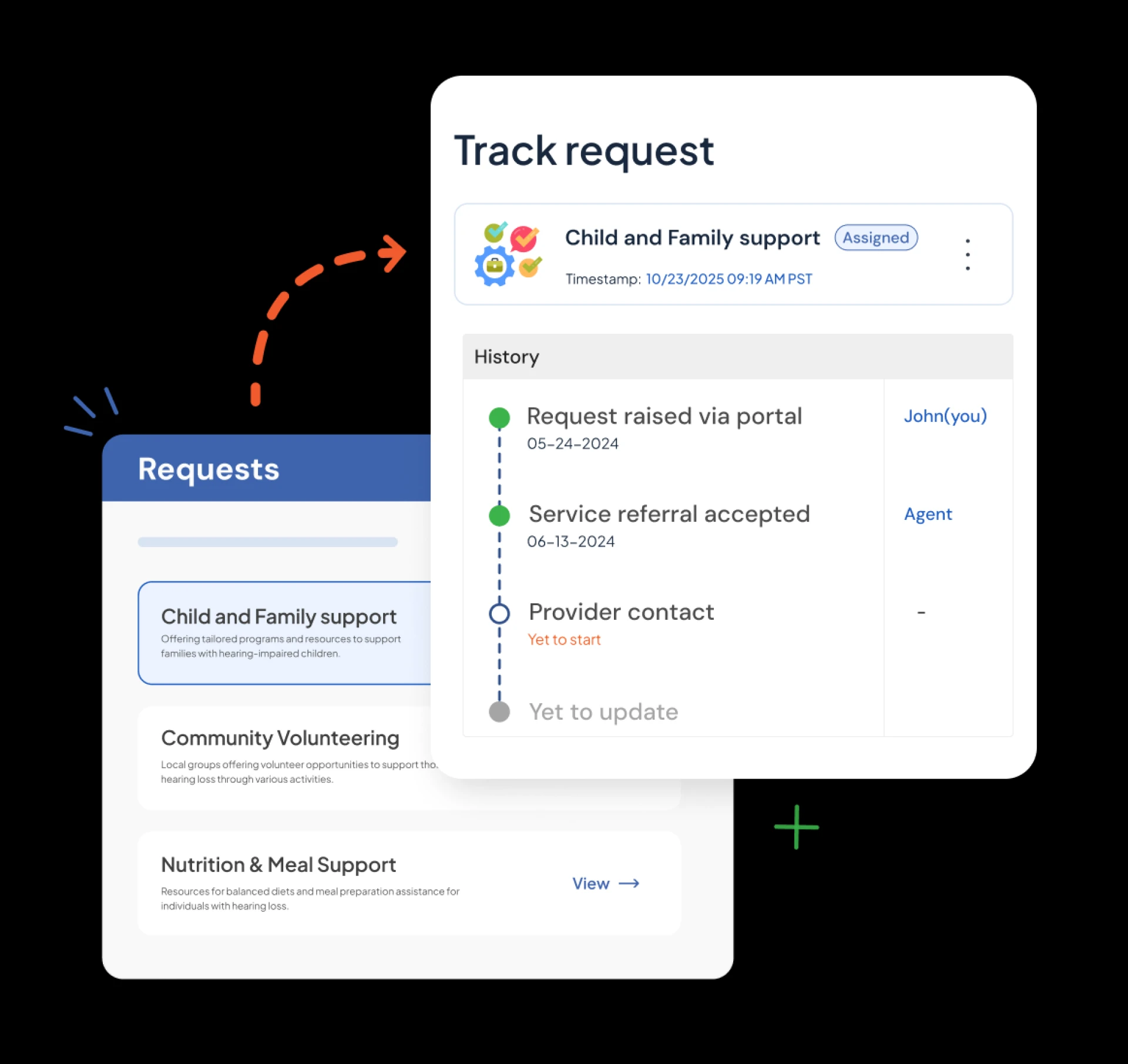
The platform simplifies the referral process by ensuring that each client’s journey is visible and traceable from start to finish. This visibility allows caseworkers and administrators to identify bottlenecks, respond proactively, and prevent clients from falling through the cracks. Ultimately, the software creates an ecosystem where every referral leads to a tangible action, reducing duplication of effort and increasing efficiency.
Why Traditional Referral Processes Fall Short
Before digital innovation, many community organizations managed referrals through outdated spreadsheets, phone calls, and manual record-keeping. These methods not only consumed valuable staff time but also increased the likelihood of data loss, miscommunication, and service delays.
Moreover, without a unified database, organizations struggled to maintain consistency across programs. Duplicate referrals and missed follow-ups were common, leading to poor outcomes and decreased trust among community partners. The absence of analytical insights further restricted leadership from understanding community needs and allocating resources effectively.
Community Referral Management Software resolves these issues by automating data entry, integrating communication channels, and allowing organizations to focus on what truly matters—helping people.
Streamlining Collaboration Across Networks
In a multi-agency environment, collaboration can be both a strength and a challenge. With numerous organizations working toward shared goals, managing partnerships efficiently is crucial. The software acts as a collaboration catalyst, offering transparent workflows, automated updates, and secure data sharing.
Partners can see referral progress, share case notes, and monitor outcomes through a single interface. This seamless coordination reduces miscommunication and ensures that every referral is directed to the right service provider based on availability and specialization. Such efficiency fosters stronger partnerships and builds a more integrated community support system.
Enhancing Data Transparency and Accountability
Data transparency is one of the biggest advantages of modern referral management systems. Every referral, service request, and client interaction is recorded within the platform, creating a digital audit trail. This not only improves accountability but also allows organizations to demonstrate impact through measurable results.
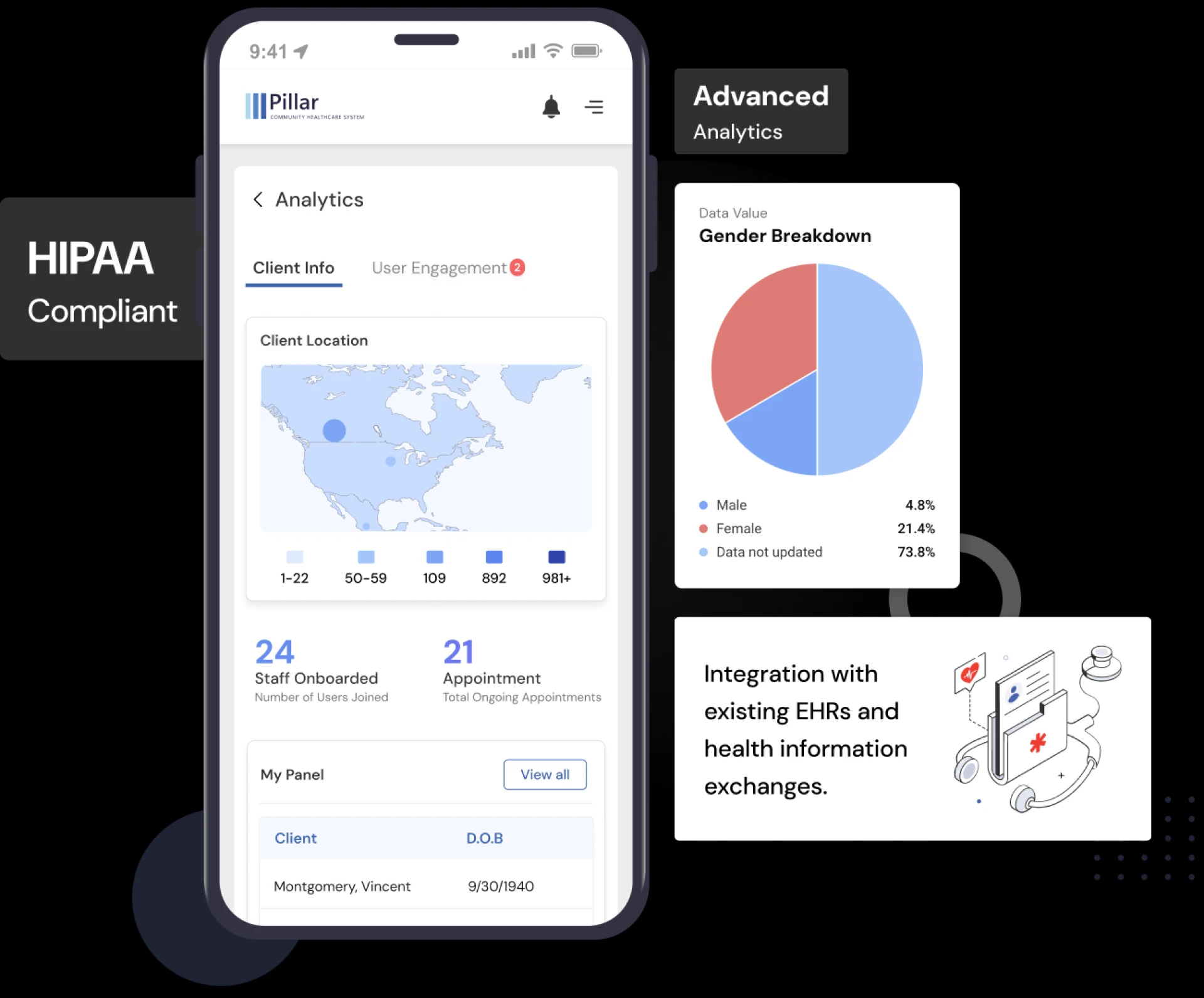
Leaders can access real-time dashboards and analytical reports to evaluate trends, identify gaps, and make data-driven decisions. Whether it’s understanding which services are most in demand or tracking the timeliness of responses, data visualization empowers nonprofits to continuously refine their strategies.
Transparency also builds trust among funders and partners, ensuring that community initiatives remain aligned with long-term social objectives.
Improving Client Outcomes Through Personalized Support
One of the most remarkable features of Community Referral Management Software is its ability to personalize care. Clients often require services from multiple organizations—such as food assistance, healthcare, housing, or counseling—and coordinating these needs can be complex.
The software helps case managers create personalized referral plans tailored to each client’s unique circumstances. It provides real-time status updates, enabling them to follow up efficiently and ensure clients receive timely support.
This personalized, coordinated approach results in improved satisfaction, better health outcomes, and enhanced community trust. By minimizing delays and confusion, nonprofits can focus on creating a human-centered support system rather than battling administrative inefficiencies.
Integrating Automation and Artificial Intelligence
Automation is revolutionizing how nonprofits operate. By integrating AI-driven insights into referral systems, organizations can predict needs, detect patterns, and even automate referral routing based on specific criteria.
For instance, when a client submits a request for food assistance, the system can automatically identify the nearest pantry partner, verify eligibility, and generate a referral—all without manual intervention. This not only saves time but also ensures that clients receive faster responses.
AI-driven analytics can further predict service trends and highlight areas requiring additional resources, allowing organizations to stay ahead of demand and plan for sustainable growth.
Strengthening Community Networks with Secure Data Exchange
In community-based work, confidentiality and data protection are paramount. The software employs advanced encryption and permission-based access controls to ensure sensitive information remains secure.
Each partner organization can access only the data relevant to their role, maintaining compliance with privacy regulations such as HIPAA or GDPR. This level of security builds confidence among clients, ensuring their personal information is handled responsibly.
Moreover, secure data exchange encourages more organizations to participate in collaborative networks, leading to stronger, more resilient community ecosystems.
Real-Time Reporting and Outcome Measurement
Measuring impact is vital for every nonprofit organization. Donors, board members, and grant agencies require evidence of effectiveness before extending support. The software simplifies this process through real-time reporting tools that track performance indicators and outcomes.
Administrators can generate customized reports that show the number of referrals completed, average response times, and client satisfaction levels. Visual dashboards make it easy to share insights during meetings or funding presentations.
These metrics not only demonstrate success but also help identify areas for improvement, ensuring that each program evolves with community needs.
Empowering Nonprofits with Scalability and Flexibility
Community Referral Management Software is designed to grow alongside organizations. Whether serving a small local charity or a large regional network, the system’s flexible architecture allows easy customization and scaling.
Organizations can add new programs, partners, and service categories without disrupting existing workflows. The platform can also integrate with external tools such as CRM systems, email platforms, and data warehouses to create a unified technology ecosystem.
This adaptability ensures that nonprofits remain efficient and future-ready as community needs evolve.
Building a Future of Connected and Compassionate Communities
The ultimate goal of Community Referral Management Software is not just operational efficiency—it’s the creation of stronger, more connected communities. By bridging gaps between service providers, improving accountability, and enhancing the client experience, the software enables nonprofits to deliver holistic, life-changing support.
As communities grow more diverse and complex, technology will continue to play a pivotal role in ensuring that no one is left behind. Nonprofits that embrace digital transformation can look forward to increased collaboration, smarter decision-making, and deeper community impact.
In essence, this technology is more than a tool—it’s a movement toward unity, transparency, and compassion. It redefines how organizations collaborate and how communities thrive, ensuring that every referral becomes a meaningful connection and every connection drives change for the greater good.



























Sign in to leave a comment.