
Here is something most homeowners find out too late: the problem isn't always the furnace, the thermostat, or the age of the windows. More often, it's the invisible stuff like the gap behind the outlet, the unsealed attic hatch, the duct joint that's been leaking warm air into an unfinished basement for years. And until someone actually tests for it, nobody knows it's there. That's exactly what a professional energy assessment uncovers. And in most cases, the fixes are simpler and cheaper than homeowners expect.
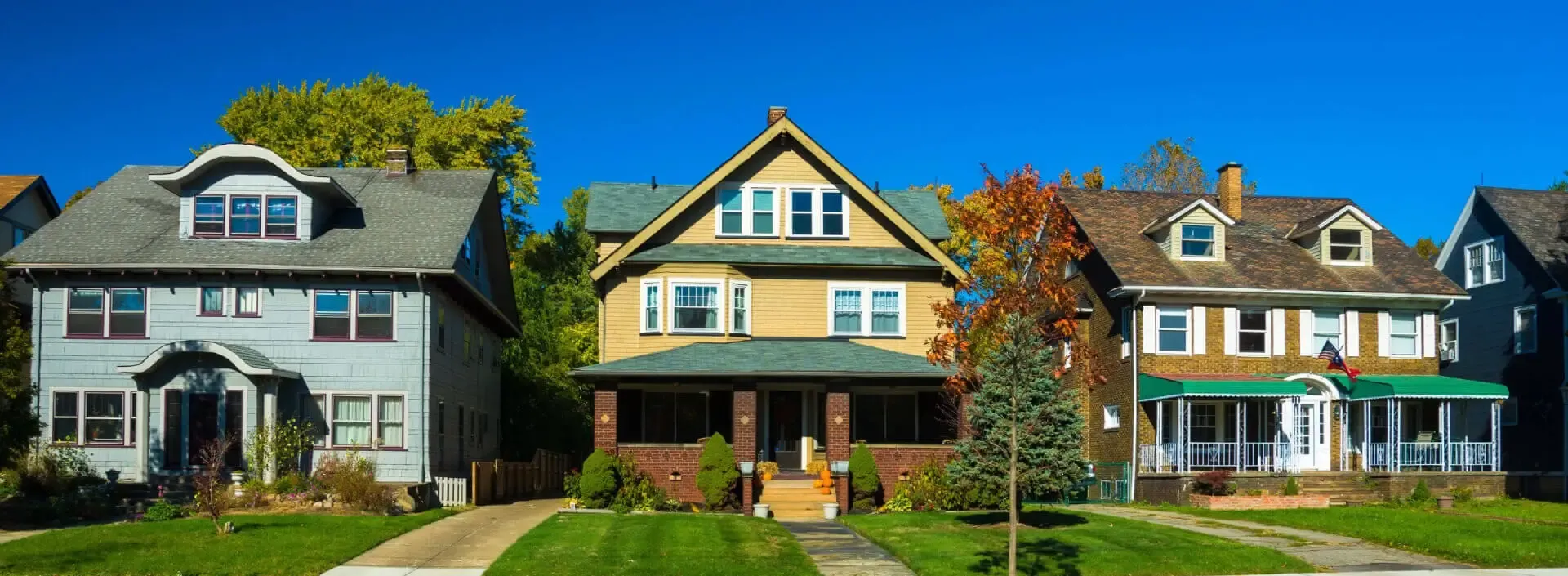
Where Energy Loss Actually Begins in Your Home
Most homes lose 25–40% of their conditioned air through gaps in the building envelope, not windows, not doors, but structural bypasses that standard home inspections completely miss. Attic rim joists, plumbing penetrations, recessed lighting fixtures - these are the real culprits.
A home energy audit in Massachusetts revealed just that for one homeowner outside Worcester. Her heating bills had been climbing for three winters. The auditor found two major air bypasses in the attic and a disconnected duct joint in the basement. Neither was visible without testing. Once sealed, her monthly heating cost dropped by over $90. That kind of result isn't unusual. It's actually pretty typical once someone stops guessing and starts measuring.
Inside a Professional Home Energy Assessment
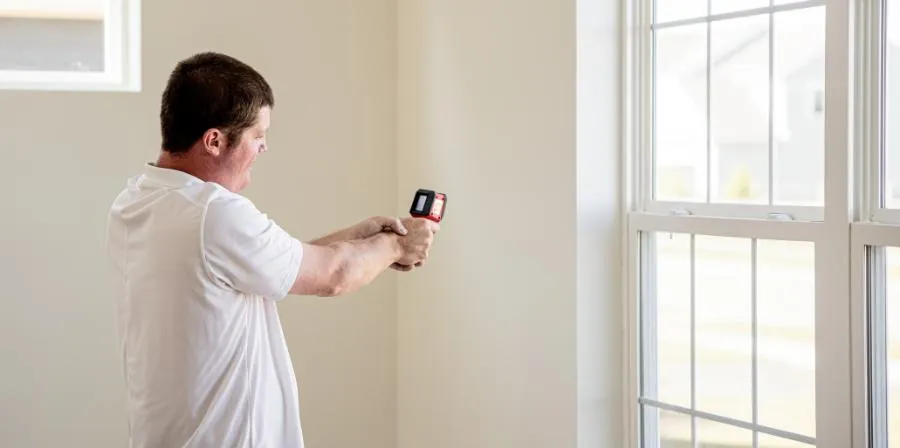
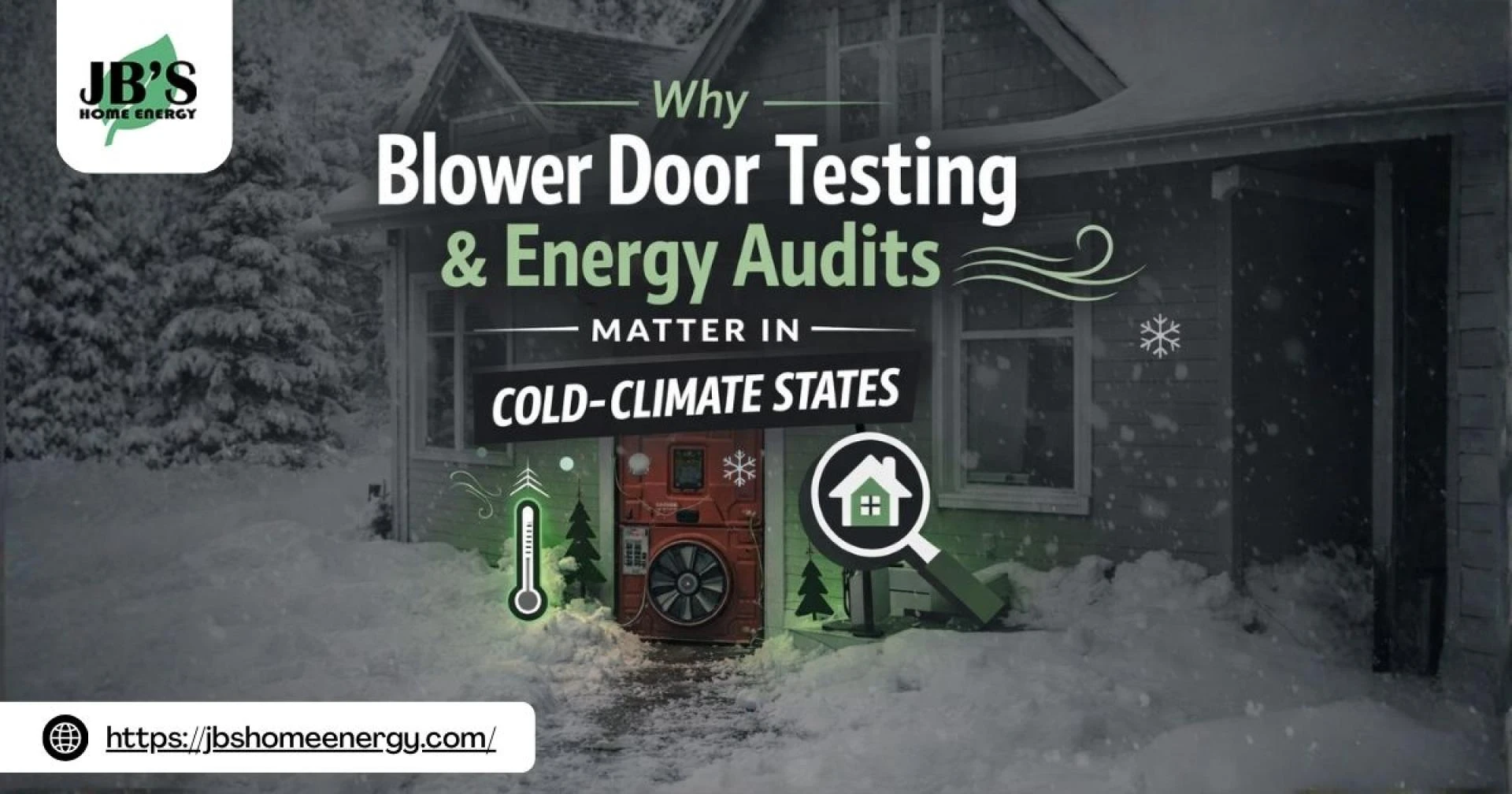
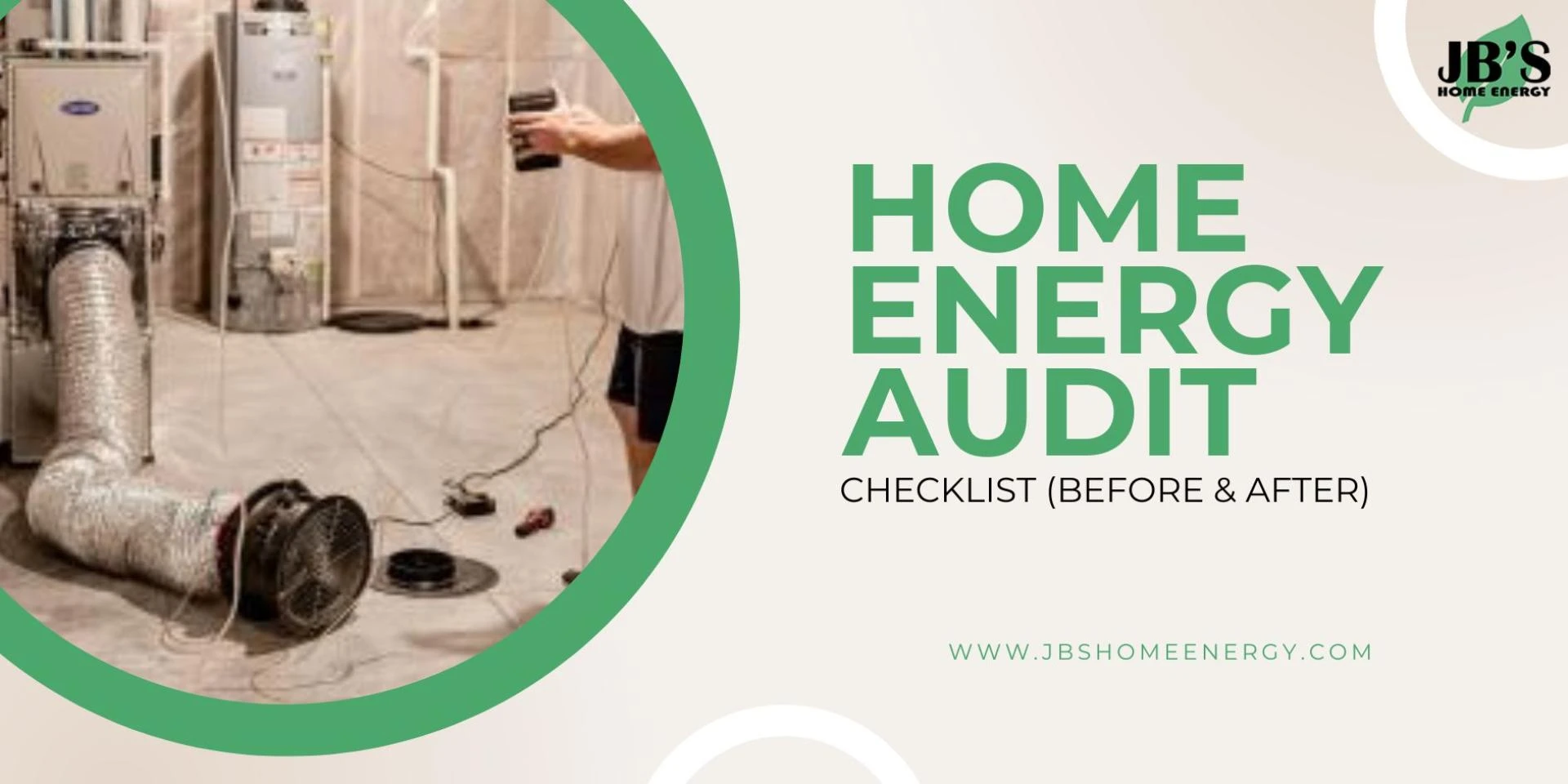
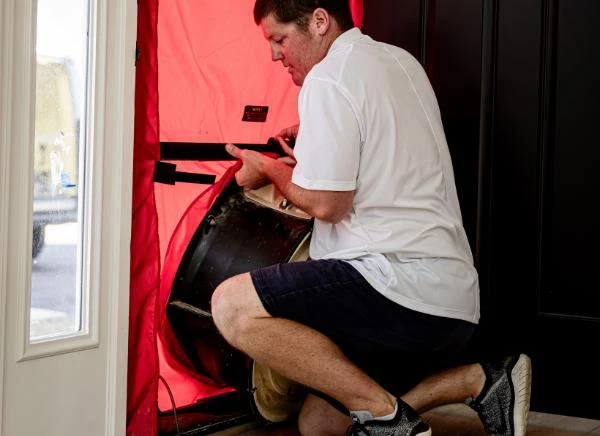
The centerpiece of any serious audit is blower door testing - a diagnostic process where a calibrated fan is temporarily installed in a door frame, the house is depressurized, and the rate of air infiltration is measured precisely. The reading is recorded as ACH50 (air changes per hour at 50 pascals of pressure). The higher the number, the leakier the home. For anyone who's had blower door testing Michigan done during a cold snap, the results are often eye-opening. Auditors can use a smoke pencil around outlets, baseboards, and framing gaps while the fan runs, and watch the smoke get pulled right through walls that looked perfectly fine from the outside. The same process applies in blower door testing in Ohio, where older housing stock in cities like Columbus and Cleveland regularly scores two to three times higher than current energy efficiency benchmarks.
The Hidden Cost of Leaky Duct Systems
Even if the walls and attic are tight, a leaky duct system can undermine the entire HVAC setup. Conditioned air escapes into unconditioned spaces like attics, crawlspaces, and garages, before it ever reaches the rooms it's meant to heat or cool. Duct sealing New Hampshire has become one of the most requested services among energy contractors in the region, largely because so many homes there were built before modern duct-sealing standards existed. The fix involves applying mastic sealant or metal-backed tape at every joint and connection point, not the gray cloth tape most people picture, which fails within a few years. The same story plays out with duct sealing in Maine, where the combination of long heating seasons and aging duct systems means leakage losses hit harder on the annual utility bill. And for homeowners booking a home energy audit Rhode Island, duct diagnostics are now a standard part of the process, particularly in coastal communities where humidity and older construction create unique air sealing challenges.
Steps to Getting Started With an Energy Audit
- Find a BPI (Building Performance Institute) or RESNET-certified auditor. These credentials matter for rebate eligibility.
- Schedule the audit. Plan for 2–4 hours and be home for it.
- Read the report carefully. Prioritize fixes by payback period, not sticker price.
- Do air and duct sealing before adding insulation. Sealing first makes insulation far more effective.
- Submit for rebates and tax credits. Most contractors help with this paperwork.
Frequently Asked Questions
Q: What makes a professional audit different from just walking through the house?
A: The equipment makes all the difference. A thermal imaging camera and blower door test together reveal what no visual inspection can - pressurized air movement through hidden gaps, cold spots behind walls, and duct leakage into unconditioned spaces. Without the diagnostics, it's informed guessing at best.
Q: Does sealing a home create ventilation problems?
A: It can, if ventilation isn't part of the plan. Any reputable auditor will address this directly. Homes sealed below a certain ACH50 threshold typically need a heat recovery ventilator (HRV) or energy recovery ventilator (ERV) to maintain fresh air exchange without throwing away conditioned air.
Q: Is there financial help available beyond tax credits?
A: Yes, the Weatherization Assistance Program (WAP) provides free audits and improvements to income-qualifying households. Many state utility companies layer additional rebates on top of federal credits. It's worth one phone call to the local utility before assuming the cost is out of reach.
Real Savings Start With a Single Assessment
The homes bleeding energy aren't usually the oldest or the least maintained. They're often just the ones that have never been properly tested. A certified auditor, the right diagnostic equipment, and a focused air sealing plan - that combination consistently delivers measurable, lasting results. The savings are real, the process is simple, and the incentives right now make it genuinely hard to justify waiting. Schedule your energy audit with JB's Home Energy and start seeing real savings on your next bill.
























Sign in to leave a comment.