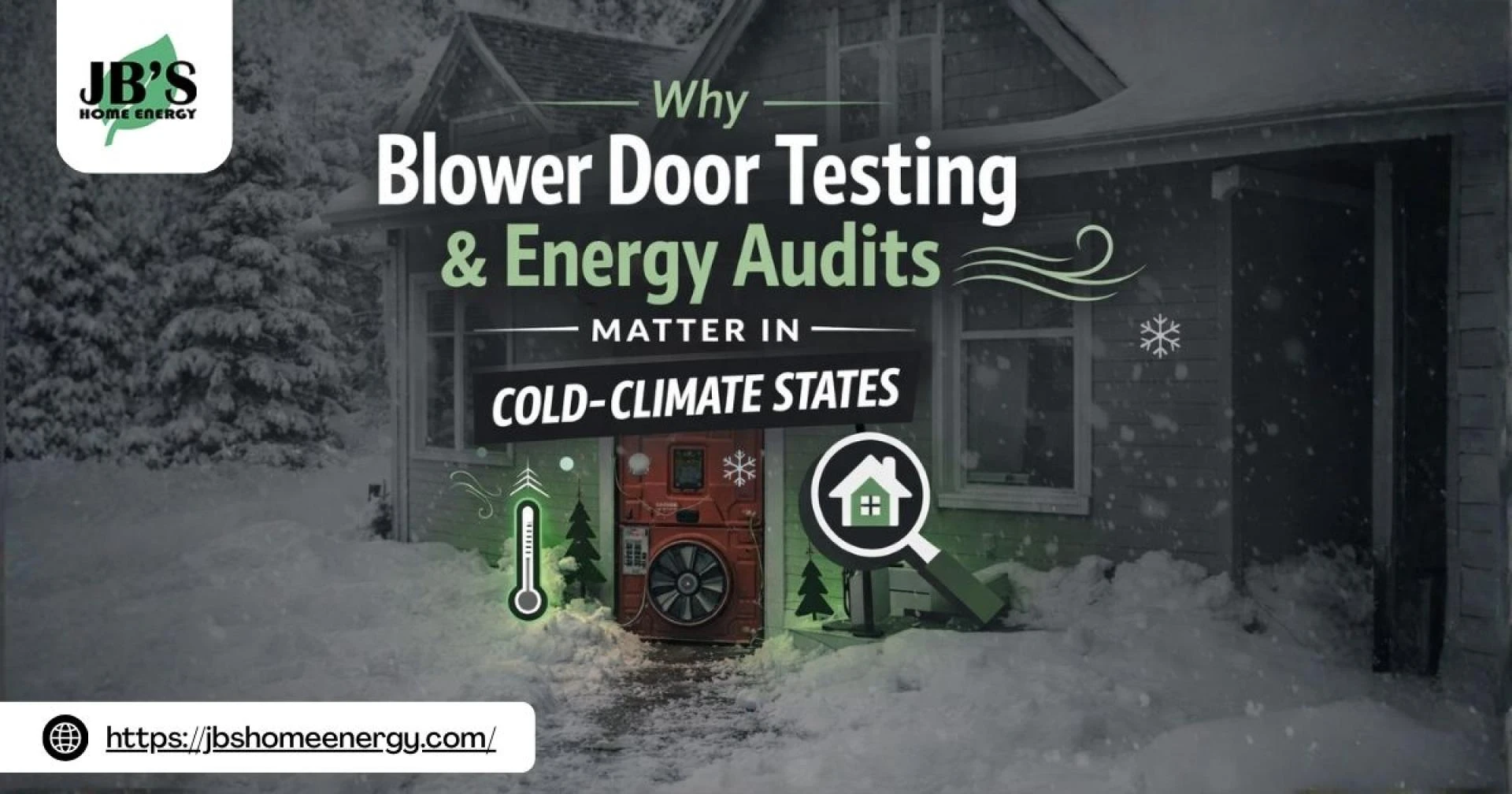

For homeowners in colder regions, high heating bills and uneven indoor temperatures are familiar frustrations. What's less familiar is the actual source because in most cases, the problem isn't the heating system at all. It's the building itself.
This is where blower door testing and home energy audits come in. Rather than guessing at the source of the problem, these diagnostic tools measure it — giving homeowners something far more useful than a theory.
For homeowners in cold-climate states, getting that answer isn't just smart; it's one of the most practical financial decisions they can make.
What a Blower Door Test Measures
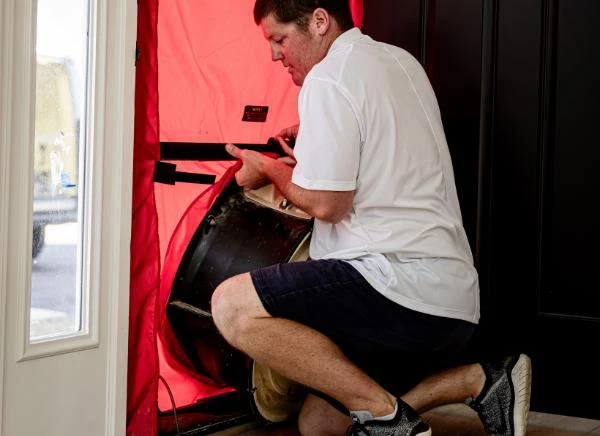
A blower door test mounts a calibrated fan in an exterior doorframe, drops the home's air pressure, and measures how much outside air pushes through gaps in the building envelope. The result is a CFM50 number — a hard figure that shows exactly how leaky a home is, not an estimate.
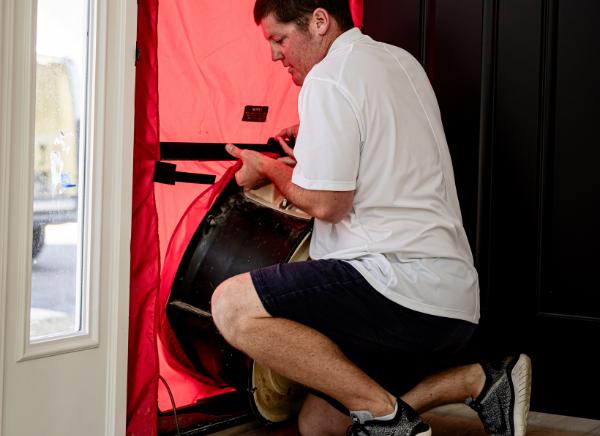
Anyone considering blower door testing Michigan or blower door testing Ohio already knows what a brutal winter feels like. What most don't realize is how much warm air escapes through attic bypasses, rim joists, recessed lighting, and electrical penetrations, places nobody thinks to check. That leakage adds up quietly, month after month, on every utility bill.
What a Home Energy Audit Covers
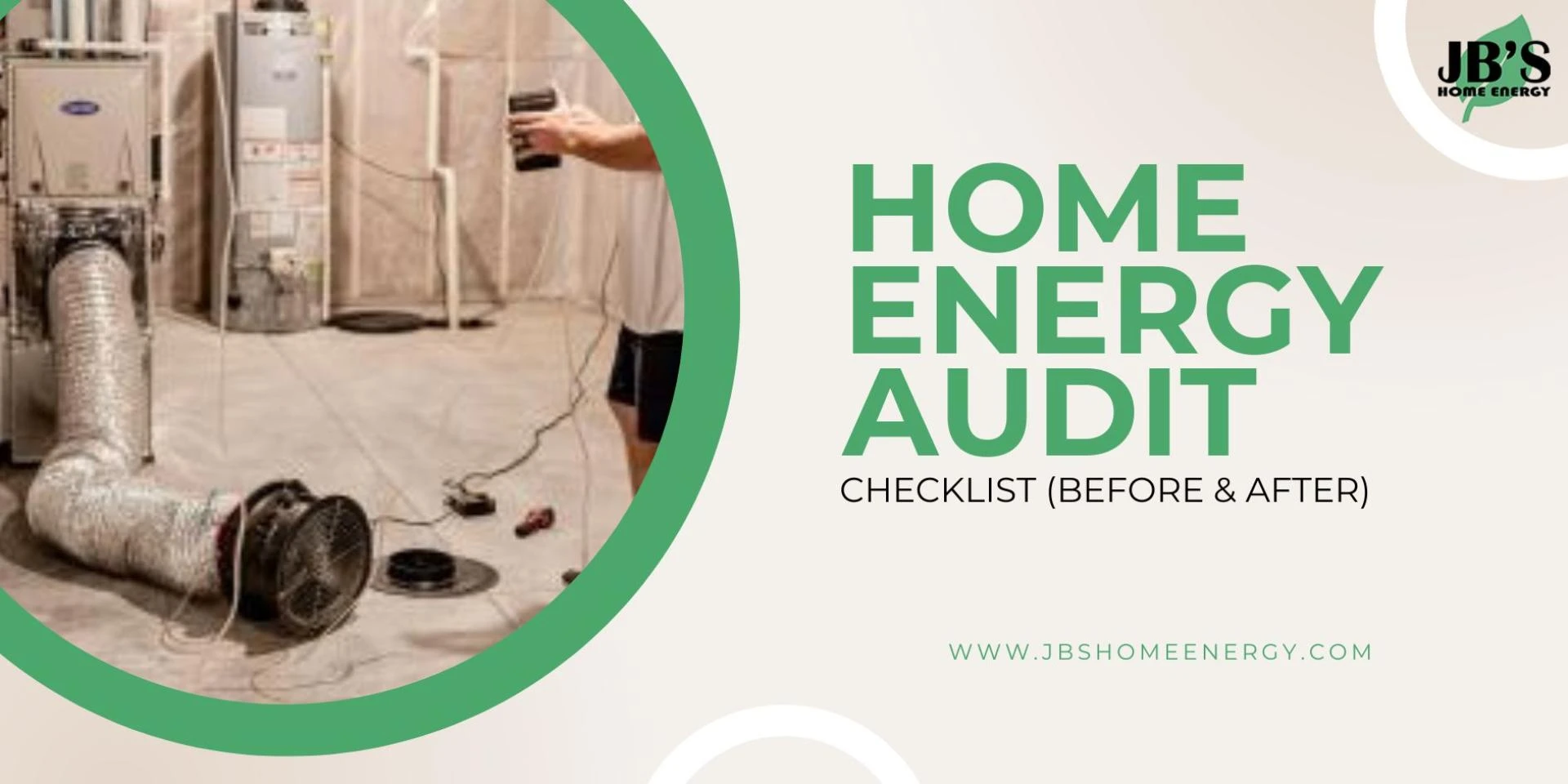
A professional conducting home energy audit in Vermont and other cold climate states looks at the whole picture — insulation levels, HVAC performance, window sealing, duct leakage, and combustion safety for any gas appliances in the home.
Auditors often bring infrared thermal cameras that reveal cold spots hidden inside walls and ceilings. What looks perfectly fine to the naked eye can show significant heat loss on a thermal image.
For someone scheduling a home energy audit in Maine, where heating season runs nearly half the year, that level of detail is genuinely useful. It takes vague discomfort and turns it into a specific, prioritized list of fixes. In states like Vermont and Rhode Island, where utility rebate programs require documented audit findings, that same report becomes a financial document - one that can unlock hundreds or even thousands in incentives.
Example
A homeowner outside Boston kept raising the thermostat every winter just to keep the ground floor livable. After blower door testing Massachusetts, the auditor traced heavy air leakage to the attic hatch, basement rim joists, and a row of recessed lights — all classic problem spots in older New England construction.
The solution wasn't a furnace replacement. It was air sealing and added attic insulation. Heating costs dropped more than 20% the following winter. The home also qualified for a MassSave rebate that covered close to a third of the total project cost.
The furnace was fine all along. The house just needed to stop fighting it.
State Incentives Worth Knowing
Cold-climate states have built real incentive programs around this work:
- Massachusetts — MassSave covers up to 75–100% of weatherization costs for qualifying homes.
- Maine — Efficiency Maine rebates air sealing, insulation, and cold-climate heat pumps.
- Vermont — Efficiency Vermont's Home Performance program subsidizes audits and contractor upgrades.
- Rhode Island — National Grid and Eversource fund weatherization through utility programs.
- Michigan / Ohio — DTE, Consumers Energy, and AEP all offer audit subsidies and insulation incentives.
For many homeowners, the audit itself ends up costing nothing.
Frequently Asked Questions
Q: Is an energy audit only for older homes?
A: No. Plenty of homes built in the 1990s and 2000s have significant air leakage — the construction standards of that era weren't always airtight. Age isn't a reliable indicator. The test is.
Q: Will the process disrupt daily life?
A: Not really. A full audit runs two to four hours, nothing gets moved or damaged, and there's no pressure to act immediately. Homeowners get a written report and can work through improvements at their own pace.
Q: Can a DIY walkthrough replace a professional audit?
A: It catches the obvious gaps like drafty windows and visible cracks. But a professional energy audit with blower door diagnostics measures what a walkthrough can't see. It also produces the documentation most rebate programs require before approving any funding.
Wrapping Up
Persistent cold spots, high heating bills, and a furnace that never seems to catch up are symptoms - not the actual problem. A professional home energy audit in Rhode Island and other places identifies the source, puts a number on it, and gives homeowners a clear path forward.
Certified BPI and RESNET auditors work throughout every cold-climate state, and most utility programs make the first step free. There's very little reason to keep guessing when the data is that accessible.
Contact JB's Home Energy today to schedule a professional audit and find out exactly what your home has been costing you.























Sign in to leave a comment.