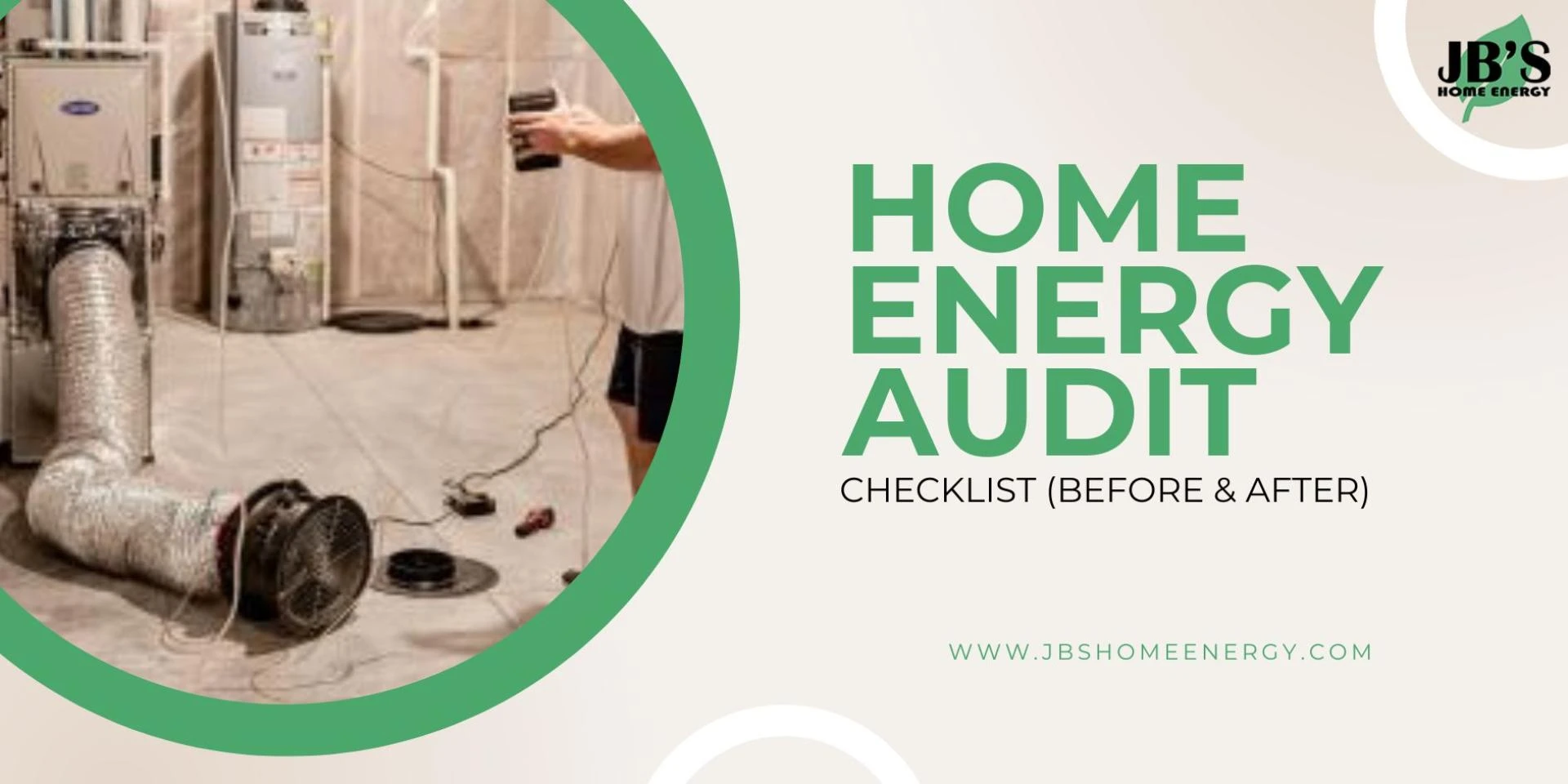

How can you tell where your home is actually losing energy? And when does fixing it make sense?
Most people don’t sit around thinking about energy audits. What they do notice is the irritation—one room that’s always colder than the rest, heating bills that creep up every winter, or a furnace that sounds like it’s working overtime. Eventually, something feels off.
That’s usually when a home energy audit enters the picture. Not as a trend, but as a way to finally put numbers behind those frustrations. Instead of guessing, you get clear proof of what’s happening inside your walls, ceilings, and ductwork.
This checklist explains what to expect before and after an audit. More importantly, it shows how those findings turn into practical fixes—real comfort, real savings, and fewer “we should’ve done this sooner” moments.
Why Homeowners Decide to Get an Energy Audit
For most homeowners, this isn’t about being eco-conscious or following the latest efficiency talk. It’s about getting straight answers.
Homeowners replace windows—expensive ones, only to discover later that cold air was pouring in through an unsealed attic opening and the basement rim joist. Once those areas were sealed, their heating use dropped within weeks. Same windows with very different results.
That’s the difference a proper audit makes. It shows you what’s actually causing the problem, not what ads suggest you replace next.
Programs associated with home energy audit Michigan, or home energy audit Massachusetts, exist because homes in colder regions bleed energy quietly. And without testing, most people never realize how much they’re losing.
Pre-Audit Preparation: What Homeowners Should Have Ready
Gathering Real and Everyday Information
You don’t need technical knowledge. Just pull together what you already have:
- Utility bills from the past year
- Rough age of the house
- Any past upgrades or additions
- Notes on rooms that feel drafty, damp, or hard to heat or cool
This helps the auditor focus on likely trouble spots instead of treating your home like a generic template.
Inside the Energy Audit: Key Areas Evaluated
Whole-Home Performance Assessment
A thorough home energy audit in Ohio or other places doesn’t isolate one issue. It looks at how everything interacts:
- Insulation coverage and gaps
- Air leaks around framing, doors, and windows
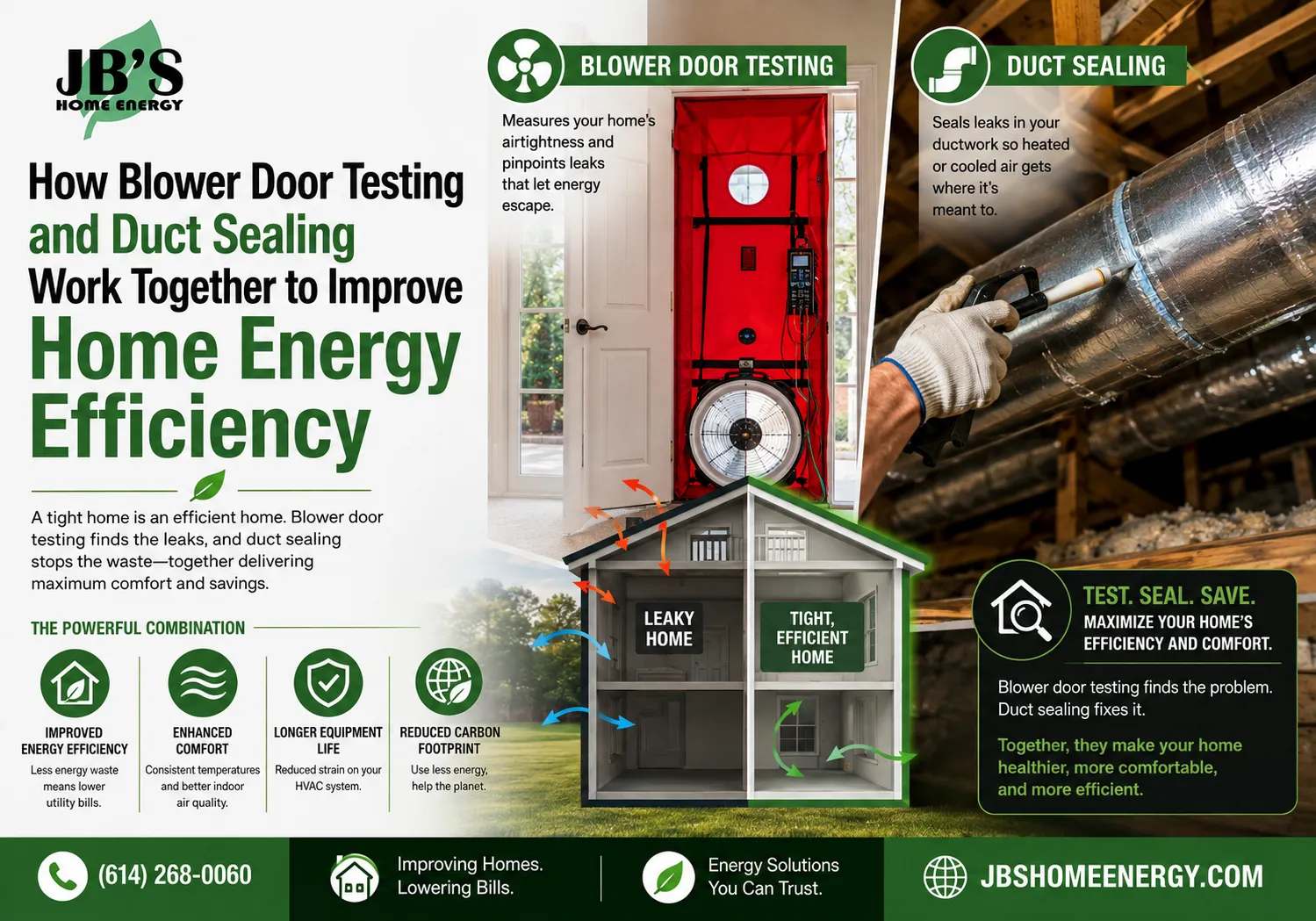
- Duct leakage and airflow imbalance
- Ventilation and moisture movement
This matters because quick fixes without context can cause new problems. Sealing a house without accounting for ventilation, for example, can create stale air or moisture buildup.
Regional Testing Considerations and Climate Factors
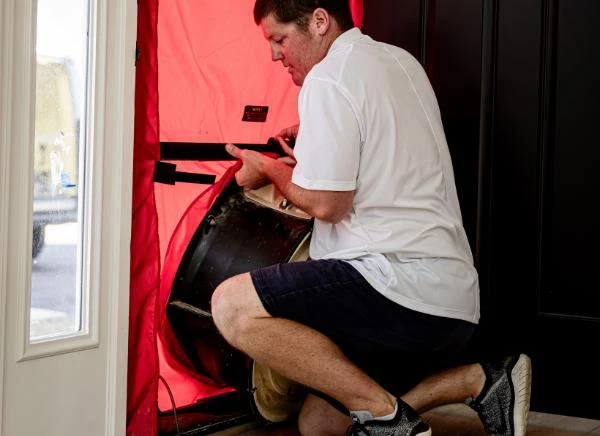
In colder climates, air leakage testing is especially revealing. With blower door testing in Michigan, basements and rim joists often show up as major leak points.
Older housing stock benefits from blower door testing in Massachusetts, where aging construction meets modern heating demands.
Meanwhile, blower door testing in Ohio frequently uncovers duct losses that quietly drive-up energy bills year after year.
Interpreting Audit Findings
From Audit Report to Action Plan
A good audit report shouldn’t feel overwhelming. It should feel clarifying.
Most recommendations are ranked by:
- Cost to fix
- Expected energy savings
- Comfort improvement
- How quickly the investment pays for itself
That’s why air sealing and attic insulation often come first. They’re relatively affordable and tend to deliver noticeable results fast.
Long-Term Value and Return on Investment for Homeowners
It helps to think of your home the way a business owner would think about an asset.
Energy improvements lower operating costs every year. They also reduce moisture risk, protect building materials, and often improve resale appeal. Most audits take only a few hours and don’t disrupt daily life.
And you don’t have to tackle everything at once. Many homeowners start with the simplest fixes, see the savings, then use that momentum to plan the next step.
FAQs
Q: How quickly will I notice savings?
A: Many homeowners see changes within one or two utility cycles after sealing or insulation work.
Q: Does an audit make sense for newer homes?
A: Yes. Newer construction can still have air leakage from rushed builds or missed sealing details.
Q: Will tightening my home hurt air quality?
A: Not when it’s done correctly. Controlled ventilation improves air quality instead of relying on random leaks.
Key Takeaways and Recommended Steps
A home energy audit won’t make your house perfect. What it does is remove the guesswork. Once you understand how your home is actually performing, every upgrade becomes more intentional and far less frustrating.
Book a certified audit with JB’s Home Energy, review the findings carefully, and start with the fixes that deliver comfort and savings first. The difference usually shows up faster than people expect.



























Sign in to leave a comment.