

Cardiovascular disease is a growing concern in Ethiopia, where both urban lifestyle-related heart disease and rural cases of rheumatic heart disease are widespread. Until recently, patients often had no choice but to seek treatment abroad or wait for international medical missions. Today, however, Heart Surgery in Ethiopia is becoming more available, thanks to local surgical teams, new hospitals, and expanding cardiac centers.
This guide explores everything you need to know about costs, types of surgeries, hospitals, and survival rates — including Heart Bypass Surgery for Ethiopian Patients.
Why Heart Surgery Matters in Ethiopia
Heart disease takes many forms:
- Coronary artery disease leading to blocked arteries.
- Valvular heart disease, often caused by untreated rheumatic fever.
- Congenital defects in children.
Without timely surgery, these conditions can lead to heart failure or sudden death. Expanding local cardiac services is therefore a crucial step for Ethiopia’s healthcare system.
Types of Heart Surgeries Performed
Patients in Ethiopia today can access several key procedures:
- Coronary Artery Bypass Grafting (CABG): The standard Heart Bypass Surgery for Ethiopian Patients, where blocked arteries are bypassed using grafts.
- Valve surgery: Either repairing or replacing diseased valves, particularly common in rheumatic heart disease.
- Congenital heart surgery: Repairing structural issues such as holes in the heart.
- Combined procedures: In some advanced centers, surgeons perform multiple surgeries in one operation (e.g., valve + bypass).
Cost of Heart Surgery in Ethiopia
The cost of Heart Surgery in Ethiopia varies greatly by hospital, complexity, and patient
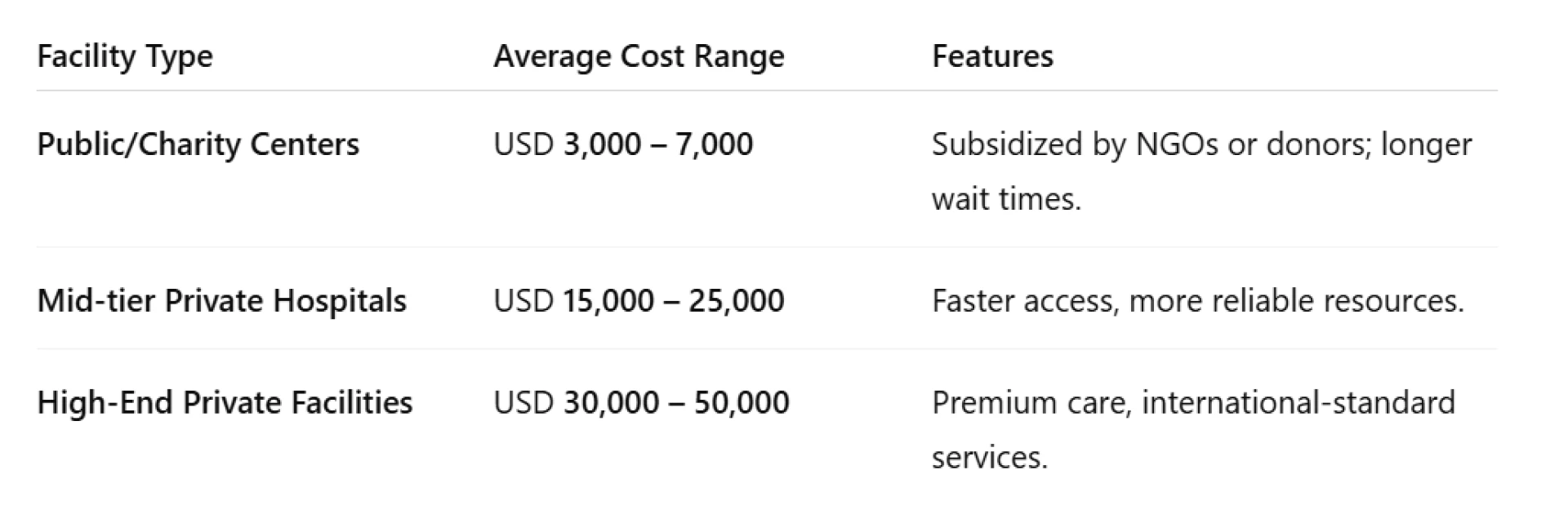 Key notes on affordability:
- Ethiopia’s costs are high for most families due to limited insurance.
- Surgery abroad (India, Turkey, etc.) may appear cheaper, but when adding travel, accommodation, and follow-up costs, Ethiopian facilities can be competitive.
- Some hospitals partner with NGOs to reduce expenses for low-income patients.
Survival Rates and Outcomes
Understanding survival rates is essential for patients making decisions about surgery.
- Valve surgeries: 30-day survival rates exceed 90% in most centers, making this one of the safer procedures locally.
- Heart Bypass Surgery for Ethiopian Patients: Slightly higher risk, with reported early mortality between 5–10%, depending on patient health and surgical complexity.
- Congenital surgeries: In select groups, especially children, short-term outcomes are excellent, with survival rates near 100% for simple defects.
Factors influencing outcomes include:
- Age of the patient.
- Underlying conditions such as diabetes or hypertension.
- Access to intensive care post-surgery.
- Availability of surgical materials (valves, grafts, oxygenators).
While survival rates are lower than in advanced countries, Ethiopia’s progress is clear, with outcomes improving every year as surgical teams gain experience.
Hospitals Offering Heart Surgery in Ethiopia
Several hospitals now provide cardiac surgery services, including:
- Cardiac Center Ethiopia (CCE) – Known for its charity-based model and mission support.
- Tikur Anbessa Specialized Hospital (Black Lion Hospital) – Ethiopia’s largest public referral hospital with growing cardiac services.
- Elouzeir Cardiac Center – A private hospital offering specialized and advanced cardiac procedures.
- Tazma Hospital – Another private hospital investing in modern cardiac care.
When selecting a hospital, patients should consider:
- Wait times for surgery.
- Experience of the cardiac team.
- ICU facilities and post-operative care.
- Whether charity or financial aid programs are available.
Challenges Facing Heart Surgery in Ethiopia
Despite the progress, patients and doctors still face barriers:
- Shortage of specialists: Ethiopia has fewer than 10 practicing cardiac surgeons for over 120 million people.
- Limited ICU capacity: Post-surgical care is often constrained by bed shortages.
- Supply issues: Delays in obtaining essential consumables like valves can postpone surgeries.
- High out-of-pocket costs: Few patients have insurance, making surgery unaffordable for many.
- Geographic barriers: Patients outside Addis Ababa must travel long distances for care.
Opportunities and the Future
Ethiopia is actively building capacity in heart surgery. Future opportunities include:
- Expanding training programs for cardiac surgeons, anesthesiologists, and perfusionists.
- Increasing partnerships with international NGOs and medical missions.
- Government subsidies or health insurance coverage for cardiac procedures.
- Preventive healthcare programs for hypertension, diabetes, and rheumatic fever to reduce the need for surgery.
Preparing for Heart Surgery in Ethiopia
For patients considering Heart Bypass Surgery in Ethiopia, preparation is critical:
- Ask about survival rates for the specific surgery at the chosen hospital.
- Confirm the full cost including surgery, ICU stay, medications, and follow-up care.
- Check waiting times — urgent cases may need private options to avoid dangerous delays.
- Plan for recovery — rehabilitation and medications are essential after surgery.
- Seek financial aid from NGOs or hospital-based charity programs if needed.
Ethiopia vs Abroad: A Balanced View
Some Ethiopian patients still travel abroad for heart surgery. Countries like India offer shorter waits, lower costs for bypass surgery, and more advanced facilities.
However, staying in Ethiopia has clear benefits:
- No visa or travel expenses.
- Easier follow-up and continuity of care.
- Familiar cultural and language environment.
- Support for the local health system and surgeons.
The choice depends on urgency, affordability, and patient preference. For many, local options are becoming a reliable and life-saving choice.
Conclusion
Heart Surgery in Ethiopia has come a long way. With dedicated hospitals, committed surgeons, and improving infrastructure, patients now have access to life-saving operations without leaving the country.
While costs remain high and survival rates vary, Heart Bypass Surgery for Ethiopian Patients and other procedures are achieving better results each year. The path forward involves investment, training, and stronger financial support systems, but the progress is undeniable.


























Sign in to leave a comment.