
If you wish to make your restaurant a success, you have to make your digital marketing game strong. In this write-up, we talk about the important elements of a complete marketing toolkit for restaurants.
What are the things included in the complete marketing toolkit for restaurants?
- Optimizing Your Website
Your restaurant\'s website is often the first impression you make online, so having a modern, mobile-friendly website is crucial for reaching customers. Here are some tips for optimizing your restaurant\'s website:
Make the website mobile-friendly
With more and more people accessing the web on their phones, having a mobile-friendly website is essential. Ensure your website automatically reformats for mobile screens and is easy to navigate on a smaller display. Use large tap targets, minimize scrolling, and keep page load times fast.
Include menus, photos, and online ordering
Display your menus prominently on the site, with pricing and high-quality photos of the dishes. Allow customers to order takeout or delivery directly through your site for convenience. Integrate with third-party delivery services as well.
Create a blog
Adding a blog allows you to share behind-the-scenes stories, promote specials, and establish your brand\'s personality. Blog about new menu items, events, your culinary team, and sustainability efforts. Share recipes, photos, and videos for an insider\'s look at your restaurant.
Optimize for local SEO
Ensure your website includes key local SEO elements like your full address, phone number, and Google My Business listing details. Use your city and cuisine terms throughout the site to improve visibility for local searches.
Make reservations and events easy
If your restaurant takes reservations or hosts events, enable bookings right through your website. Providing an online reservation system makes it simple for customers to secure tables or buy tickets.
Optimizing your website in these key ways helps you attract and engage more customers online. A modern, mobile site with ample info builds trust and gets your brand remembered.
- Leveraging Social Media
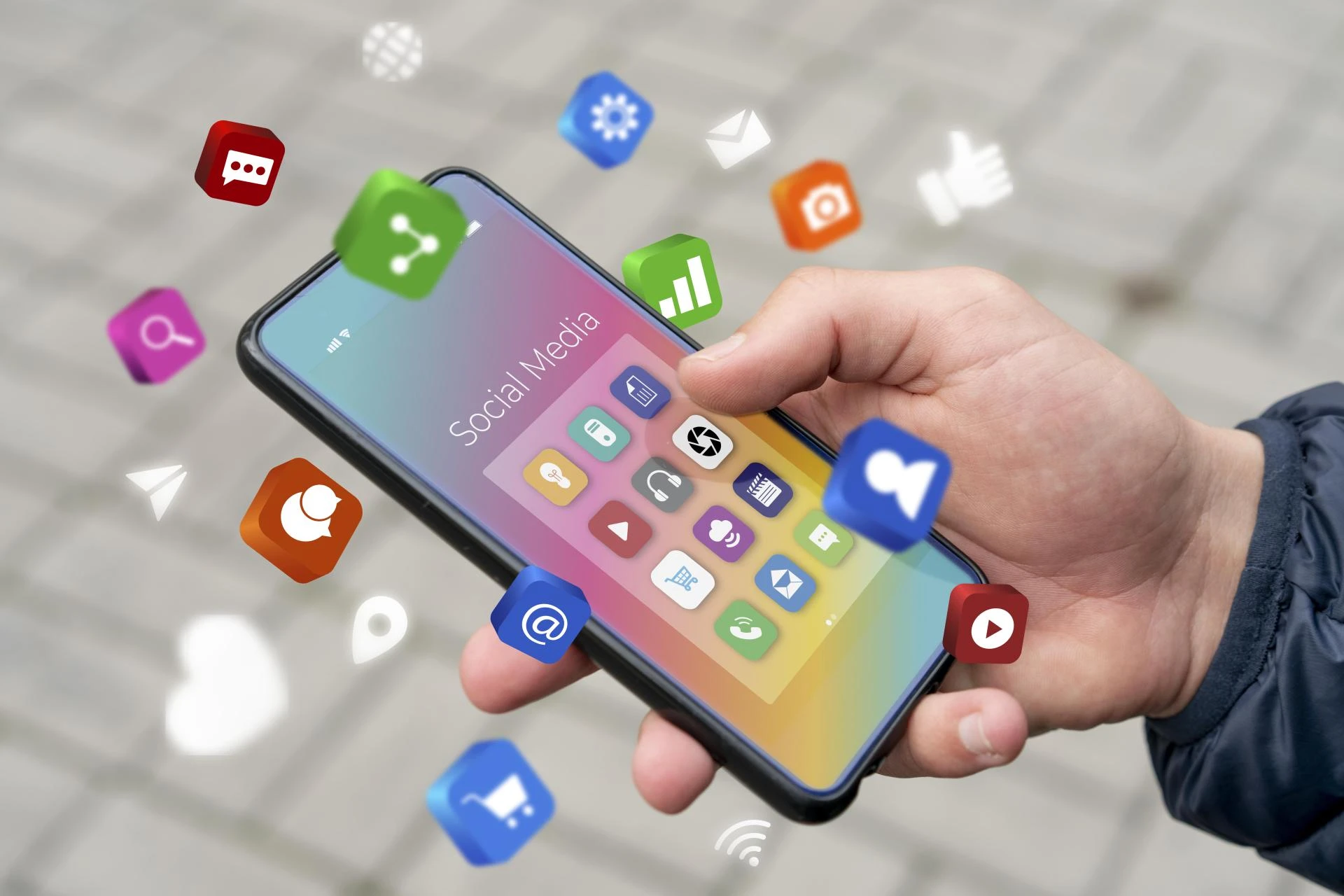
Social media provides an excellent opportunity for restaurants to engage with customers and promote their brand. With billions of active users on platforms like Facebook, Instagram, and Twitter, social media allows restaurants to reach a huge audience.
To effectively leverage social media, restaurants should focus on three key strategies:
Promote Daily Specials and Events
Use social media to highlight special dishes, promotions, events, and special occasions happening at your restaurant. This gives followers a reason to come in and provides valuable exposure for your offerings. Share daily specials, weekend events, holiday promotions, etc.
Share Photos
Visually appealing images perform very well on social media. Regularly post high-quality photos of dishes, cocktails, the restaurant interior, staff, and happy customers. This showcases your food, ambiance, and brand.
Interact with Customers
Social media allows direct conversations with your audience. Respond promptly to comments, questions, and feedback. Also, share user-generated content like customer photos and reviews. This engages followers and builds community.
With compelling visuals and content, restaurants can drive awareness, highlight their offerings, and build lasting connections with customers through social media. A thoughtful strategy focused on promotions, visual storytelling, and engagement creates opportunities to attract and retain patrons.
- Focusing on Customer Experience
Customer experience is crucial for restaurants, as positive word-of-mouth and repeat business depend heavily on diners having an enjoyable visit. Here are some tips to optimize the customer experience:
Gather Customer Feedback and Online Reviews
- Actively encourage reviews on platforms like Yelp, Google, and Facebook. This provides visibility and shows you care about feedback.
- Email receipts with a link to leave a review. Make it easy for happy customers to share their experiences.
- Monitor review sites regularly. Pay attention to themes in positive and negative reviews.
- Respond professionally to all reviews, thanking the customer for their time and addressing any criticisms constructively. Follow up directly if appropriate.
Respond Promptly to Complaints and Concerns
- Empower staff to resolve complaints on the spot when possible, like fixing incorrect orders or replacing unsatisfactory dishes.
- Have a complaint resolution process. Apologize, be understanding, offer a refund or free item, and learn from the feedback.
- Follow up after the visit with an email or call if the customer is dissatisfied. Show you care about getting it right.
Offer Loyalty Programs or Discounts
- Loyalty programs encourage repeat visits and make customers feel valued, especially if they earn points, perks, or special offers.
- Discount programs like weekly specials give diners incentives to visit frequently.
- Strategic discounts during slow periods, for seniors, or on takeout can boost sales.
- Birthday or anniversary perks surprise and delight loyal customers when done thoughtfully.
Providing excellent customer service and quickly addressing issues will help create a top-notch dining experience that brings diners back time and again. Regular customers are the lifeblood of a successful restaurant.
- Utilizing Email Marketing
Email marketing is a powerful and cost-effective method to connect with customers, increase engagement, and drive repeat business. Here are some tips for restaurants looking to improve their email marketing efforts:
Collect Emails to Build Your Subscriber List
- Offer an email signup sheet or app at the host stand, register, and table
- Collect emails during the reservation process via phone or online
- Print an email signup callout on receipts and menus
- Run social media and website calls-to-action asking visitors to join your email list
Getting customer emails allows you to continually market to them in the future. Use an email service like Mailchimp to organize and grow your list over time. Offer an incentive like a discount, coupon, or free item for joining.
Send Promotional and Transactional Emails
- Promotional emails can advertise specials, events, and new menu items
- Transactional emails confirm reservations, purchases, and account actions
- Send a series of onboarding emails introducing new subscribers to your brand
- Welcome first-time customers and invite return visits
- Reward loyal customers for their business with special offers
Focus emails around holidays, seasons, events, and other themes. Personalize them using merge tags for names, order history, etc. Make your emails valuable to the recipient.
Share Special Offers and Exclusive Deals
- Limited-time discounts or BOGO specials open for email subscribers only
- Free treats, gifts, or bonus rewards for high-value customers
- Early access to new menu launches or tasting events
- First chance at reservations for in-demand spaces or times
Your most engaged subscribers deserve VIP treatment. Surprise them with members-only promotions and sneak peeks to delight and retain them over the long term. Just ensure exclusive offers remain in compliance with anti-spam laws.
Along with promotions, provide helpful content like recipes, event highlights, staff profiles, and peeks behind the scenes. Make your subscribers feel informed and connected. With a strategic email marketing plan, you can convert contacts into devoted customers.
Wrapping it up
You can find a restaurant marketing automation platform online to avail yourself of a complete marketing toolkit for restaurants with ease.



























Sign in to leave a comment.