

The aerospace industry continuously seeks innovative ways to improve performance, efficiency, and sustainability. One of the most significant advancements in this pursuit is the development of the composite airframe. By replacing traditional metallic structures with advanced composite materials, engineers have achieved substantial reductions in weight while maintaining strength and durability. This transformation has redefined aircraft design and manufacturing processes. A composite airframe not only enhances fuel efficiency but also improves overall operational performance. As the demand for lighter and more efficient aircraft grows, weight reduction strategies centered around composites have become increasingly important. Understanding these strategies provides insight into the future of aerospace engineering.
Understanding Composite Airframe Technology
Definition and Material Composition
A composite airframe refers to an aircraft structure primarily constructed from composite materials rather than conventional metals. These materials typically include carbon fiber reinforced polymers, fiberglass, and advanced resin systems. They are engineered to provide high strength to weight ratios, making them ideal for aerospace applications.
The composition of these materials allows engineers to tailor properties such as stiffness, strength, and resistance to environmental factors. This flexibility enables the creation of structures that meet specific performance requirements. The use of composites also reduces the number of individual parts, which contributes to overall weight savings. As a result, composite airframe technology has become a cornerstone of modern aircraft design.
Evolution of Composite Use in Aerospace
The use of composites in aerospace has evolved significantly over time. Early applications were limited to secondary structures due to concerns about durability and manufacturing complexity. However, advancements in material science and production techniques have expanded their use to primary structures.
Modern aircraft now incorporate composite airframes in wings, fuselage sections, and tail assemblies. This shift has been driven by the need for improved efficiency and reduced operational costs. Continuous research and development have further enhanced the reliability and performance of composite materials. This evolution highlights the growing importance of composites in aerospace engineering.
Importance of Weight Reduction in Aerospace
Impact on Fuel Efficiency
Weight reduction is a critical factor in improving fuel efficiency. A lighter aircraft requires less energy to achieve and maintain flight, which directly reduces fuel consumption. This leads to lower operating costs and reduced environmental impact.
A composite airframe plays a key role in achieving these weight reductions. By replacing heavier metal components with lightweight composites, engineers can significantly decrease the overall mass of the aircraft. This improvement translates into better performance and longer flight ranges. Fuel efficiency remains a primary driver for adopting composite airframe technologies.
Enhanced Performance and Payload Capacity
Reducing weight also enhances aircraft performance. Lighter structures allow for improved acceleration, climb rates, and maneuverability. This is particularly important in both commercial and military applications.
Additionally, weight savings can be allocated to increased payload capacity. Aircraft can carry more passengers, cargo, or equipment without compromising performance. This flexibility provides significant operational advantages. The use of a composite airframe enables these improvements while maintaining structural integrity.
Key Weight Reduction Strategies Using Composite Airframe
Structural Optimization and Design Efficiency
One of the primary strategies for weight reduction is optimizing the structural design. Engineers use advanced modeling and simulation tools to analyze load distribution and identify areas where material can be minimized without compromising strength.
Composite materials allow for more efficient designs because they can be molded into complex shapes. This reduces the need for additional components and fasteners. By integrating multiple functions into a single structure, engineers can achieve significant weight savings. Structural optimization is a fundamental aspect of composite airframe development.
Reduction of Fasteners and Joints
Traditional metal airframes require numerous fasteners and joints, which add weight and complexity. Composite airframes reduce the need for these elements by enabling larger, integrated components.
Fewer joints not only reduce weight but also improve structural integrity. They minimize potential points of failure and reduce maintenance requirements. This approach enhances both performance and reliability. The reduction of fasteners is a key advantage of composite airframe technology.
Use of Advanced Manufacturing Techniques
Advanced manufacturing techniques play a crucial role in weight reduction. Processes such as automated fiber placement and resin transfer molding allow for precise control over material distribution.
These techniques enable engineers to place material only where it is needed, eliminating excess weight. They also improve consistency and quality in production. The use of advanced manufacturing methods supports the development of efficient and lightweight composite airframes.
Material Advantages Supporting Weight Reduction
High Strength to Weight Ratio
Composite materials offer an exceptional strength to weight ratio compared to traditional metals. This means that they can provide the same or greater strength while being significantly lighter.
This property is essential for aerospace applications, where both strength and weight are critical considerations. Engineers can design structures that meet demanding performance requirements without adding unnecessary mass. The high strength to weight ratio is a defining feature of composite airframes.
مقاومت to Corrosion and Fatigue
Composite materials are highly resistant to corrosion and fatigue. Unlike metals, they do not degrade as quickly when exposed to environmental conditions. This enhances the longevity and reliability of the airframe.
Reduced susceptibility to fatigue allows for thinner and lighter structures. Engineers can design components with confidence that they will maintain their integrity over time. This contributes to overall weight reduction and improved performance.
Design Flexibility
The flexibility of composite materials allows for innovative design solutions. Engineers can create complex geometries that would be difficult or impossible with traditional materials.
This flexibility enables the integration of multiple functions into a single component. It also allows for more efficient use of material. Design flexibility is a key factor in achieving weight reduction with composite airframes.
Challenges in Implementing Composite Airframe Strategies
High Initial Development Costs
The development of composite airframes involves significant investment in research, materials, and manufacturing processes. These costs can be a barrier for some projects.
However, the long term benefits often outweigh the initial expenses. Reduced fuel consumption and maintenance costs can lead to substantial savings over the lifecycle of the aircraft. Managing these costs is an important consideration in adopting composite technologies.
Complexity in Manufacturing and Repair
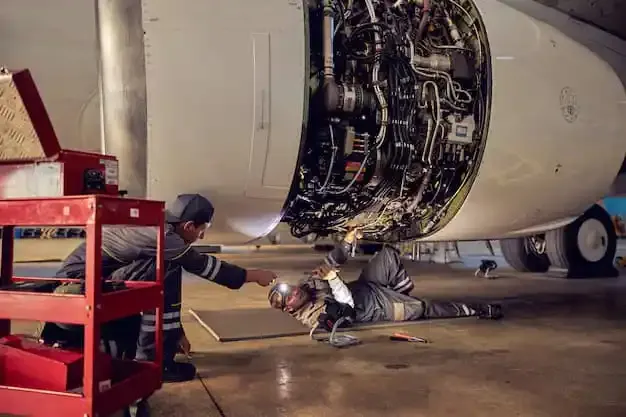
Composite materials require specialized manufacturing techniques and equipment. This adds complexity to the production process. Engineers and technicians must be trained to handle these materials effectively.
Repairing composite structures can also be more challenging than repairing metal components. It requires precise techniques and careful inspection. Addressing these challenges is essential for the successful implementation of composite airframe strategies.
Certification and Regulatory Requirements
Aerospace components must meet strict certification and regulatory standards. Demonstrating the safety and reliability of composite airframes can be complex and time consuming.
Engineers must conduct extensive testing and validation to meet these requirements. This process ensures that composite structures perform as expected under various conditions. Compliance with regulations is critical for the adoption of new technologies.
Future Trends in Composite Airframe Development
Integration of Smart Materials
The future of composite airframes includes the integration of smart materials. These materials can monitor structural health and provide real time data on performance.
This capability enhances safety and reduces maintenance requirements. Engineers can detect potential issues early and take corrective action. The use of smart materials represents a significant advancement in aerospace technology.
Increased Use of Automation
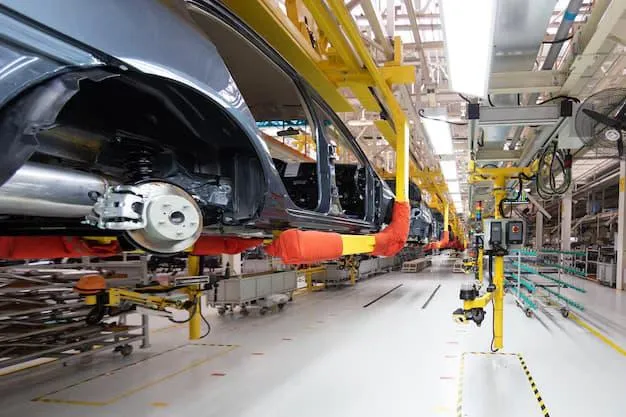
Automation is becoming increasingly important in composite manufacturing. Automated processes improve precision and consistency while reducing production time.
The use of robotics and advanced machinery allows for efficient large scale production. This supports the growing demand for composite airframes. Automation is expected to play a major role in future developments.
Focus on Sustainability
Sustainability is a key focus in aerospace engineering. Composite materials contribute to this goal by reducing fuel consumption and emissions. Researchers are also exploring recyclable and environmentally friendly materials.
The development of sustainable composites will further enhance the benefits of composite airframes. This trend aligns with global efforts to reduce environmental impact. Sustainability will continue to shape the future of aerospace design.
Conclusion
Composite airframe technology has transformed the aerospace industry by enabling significant weight reduction and improved performance. Through strategies such as structural optimization, advanced manufacturing, and material innovation, engineers can create efficient and reliable aircraft. While challenges remain, the benefits of composite airframes make them an essential component of modern aerospace engineering.
As the industry continues to evolve, the importance of lightweight and sustainable solutions will only increase. Organizations like Swift Engineering Inc. contribute to this progress by advancing composite technologies and supporting innovative aerospace solutions that meet the demands of the future.



























Sign in to leave a comment.