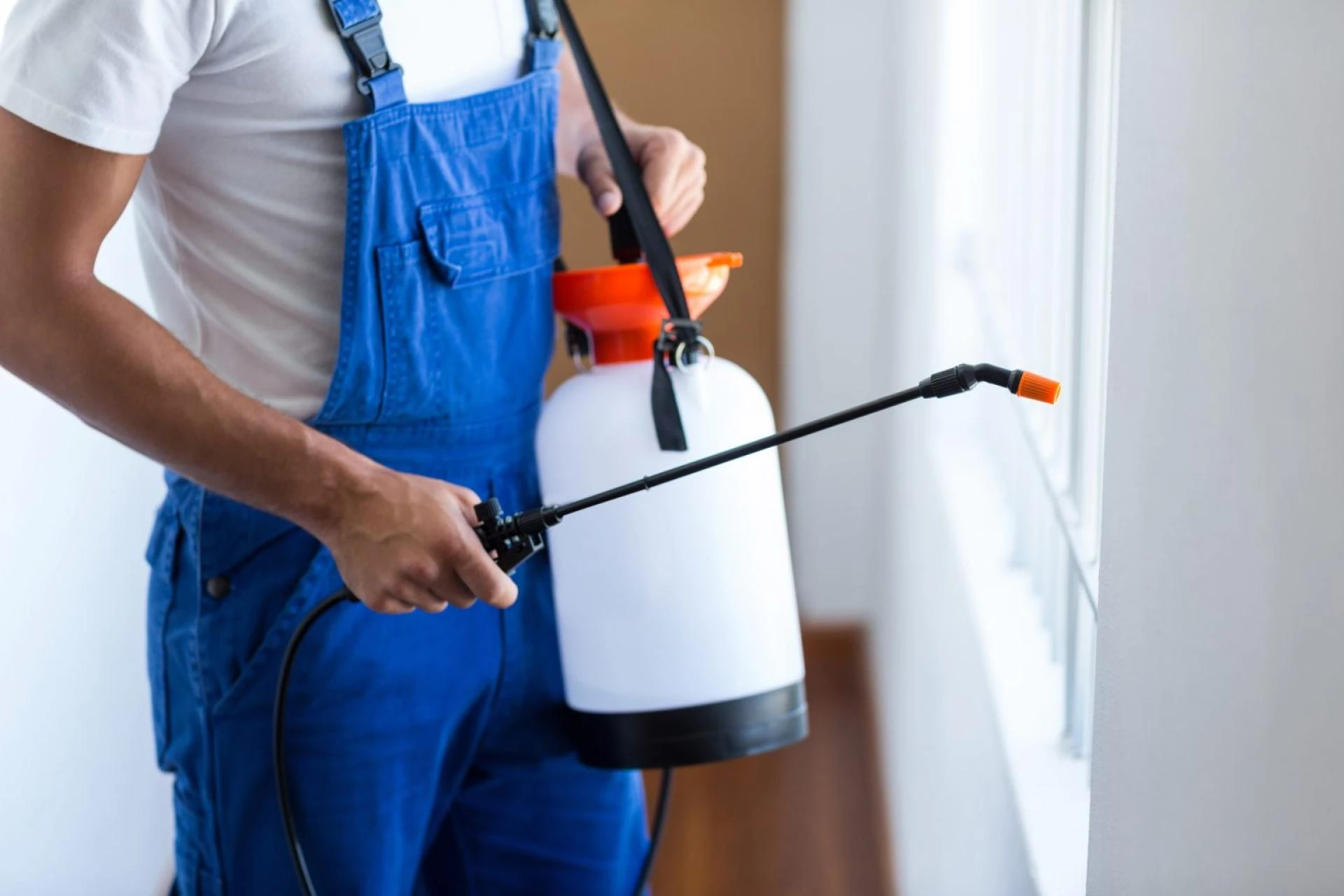

Pests are a perennial problem for homeowners, businesses, and agricultural operations alike. Whether it's rodents, insects, or other unwanted creatures, they can cause damage to property, spread disease, and compromise the safety and well-being of individuals. Effective pest control is essential for maintaining a healthy environment. To tackle this issue, comprehensive guidelines are necessary to ensure that pest management practices are both effective and environmentally responsible.
Understanding Pest Control:
Pest control involves the management and regulation of pests to minimize their impact on human activities and the environment. It encompasses various methods, including chemical, biological, and cultural controls, as well as mechanical interventions. However, the most effective approach often involves an integrated pest management (IPM) strategy that combines multiple techniques for optimal results.
Guidelines for Effective Pest Control:
Identify the Pest: The first step in pest control is to accurately identify the pest species causing the problem. This may require the assistance of trained professionals who can recognize the signs of infestation and determine the appropriate course of action.Assess the Situation: Once the pest has been identified, assess the extent of the infestation and the conditions that may be contributing to it. Factors such as food sources, shelter, and access points should be evaluated to develop a targeted control strategy.Implement IPM Practices: Integrated Pest Management (IPM) involves the use of multiple control methods to minimize reliance on chemical pesticides. This approach emphasizes prevention, monitoring, and the use of non-chemical interventions whenever possible.Use Chemical Controls Judiciously: While chemical pesticides can be effective in controlling pests, they should be used sparingly and only as a last resort. Prioritize the use of less toxic chemicals and follow label instructions carefully to minimize risks to human health and the environment.Practice Good Sanitation: Proper sanitation is key to preventing and controlling pest infestations. Keep indoor and outdoor spaces clean, eliminate food and water sources, and seal off entry points to deny pests access to the premises.Monitor and Evaluate: Regular monitoring is essential to gauge the effectiveness of pest control measures and identify any emerging issues. Adjust strategies as needed based on monitoring data and feedback from stakeholders.Educate Stakeholders: Raise awareness among homeowners, employees, and other stakeholders about the importance of pest control and their role in preventing infestations. Provide training on proper sanitation practices and early detection techniques to empower individuals to contribute to pest management efforts.Engage Professionals When Needed: In cases of severe infestations or when specialized expertise is required, enlist the services of professional pest control operators. Ensure that they are licensed, reputable, and knowledgeable about IPM principles.Follow Regulatory Requirements: Familiarize yourself with local, state, and federal regulations governing pest control practices. Adhere to legal requirements regarding the use of pesticides, disposal of waste, and protection of non-target organisms.Promote Environmental Sustainability: Strive to minimize the environmental impact of pest control activities by choosing eco-friendly products and methods whenever possible. Protect beneficial insects, wildlife, and natural habitats while targeting pest species.Conclusion:
Effective pest control requires a systematic and proactive approach that integrates various strategies to achieve long-term success. By following these guidelines and adopting an integrated pest management approach, individuals and organizations can mitigate pest-related risks while safeguarding human health and the environment. Remember, prevention is always better than cure when it comes to pest control.
Top of Form


























Sign in to leave a comment.