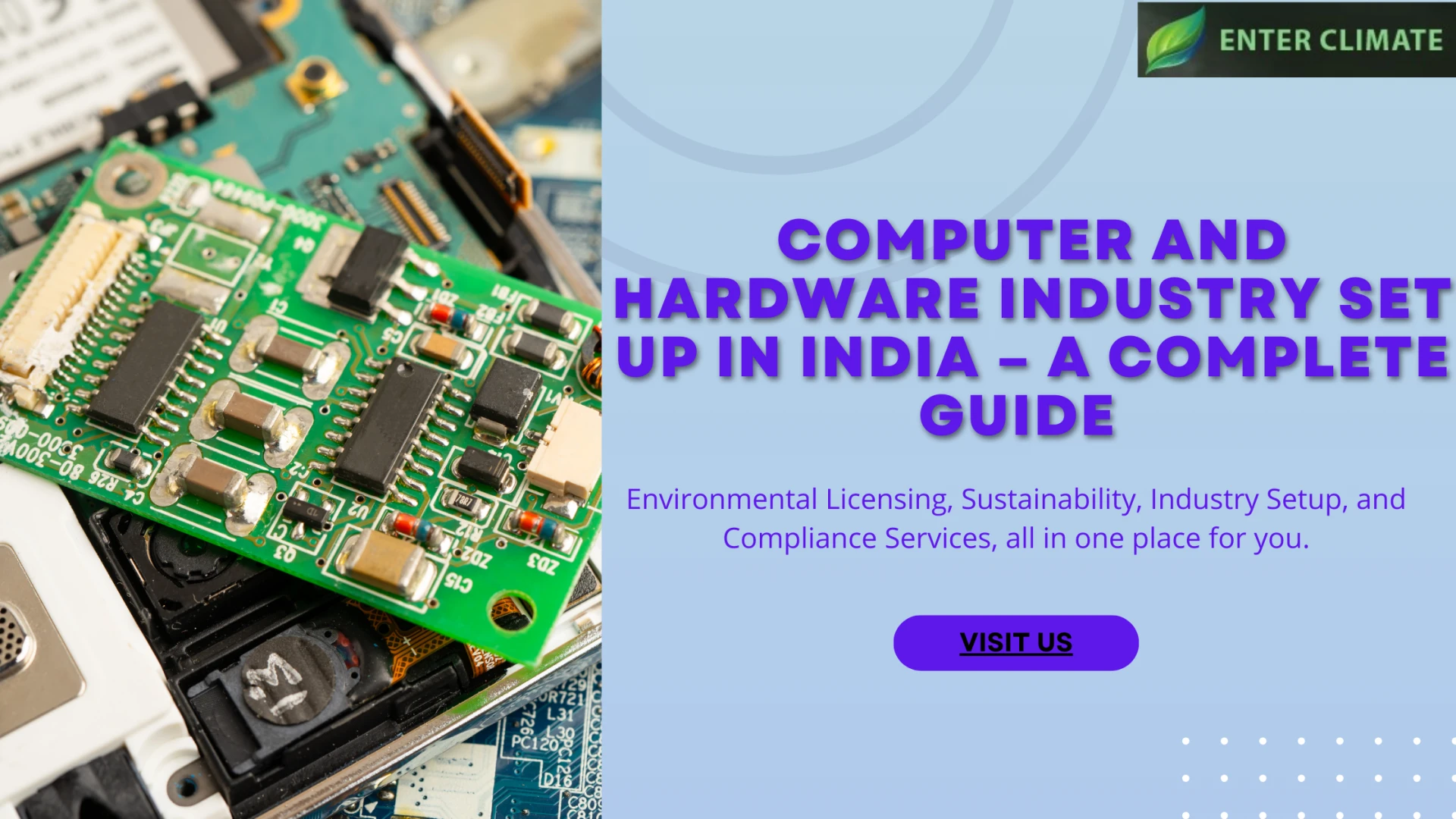

Have you ever wondered how computers, laptops, mobile phones, or even game consoles are made? Before these gadgets reach your hands, thousands of companies work together to design, build, test, and pack each part. This is called the Computer and Hardware Industry.
Today, India is becoming one of the best places in the world to start a business that makes computer parts and electronic hardware. With more students using computers, more companies going digital, and more homes buying smart devices, the demand is growing really fast.
So if someone wants to start a Computer and Hardware Industry Set Up in India, this guide will explain everything in a super easy way.
Why India Is a Great Place for Computer & Hardware Business
India has many benefits:
- A huge population using digital devices
- Skilled engineers and technicians
- Government support under programs like Make in India and Digital India
- Low cost of labor and factory setup
- Big market for exports and domestic users
- Strong electronics manufacturing clusters like Noida, Bengaluru, Chennai, Pune, Gujarat
That’s why even big brands like Apple, Samsung, HP, and Dell are manufacturing in India!
What Does a Computer & Hardware Business Do?
This industry includes making different parts of computers such as:
- Processors (CPU)
- RAM
- Motherboards
- Monitors
- Keyboards & Mouse
- Graphic Cards
- Cables & Power Supply
- Mobile phone parts
- Networking devices like routers
- Data storage devices like SSD / HDD
You can even start by assembling computers rather than manufacturing every component. Many new companies begin with assembling and then expand into full production.
Step-by-Step Guide to Set Up a Computer & Hardware Industry in India
Let’s break it down into simple steps:
Step 1: Business Plan
Decide:
- Which computer parts you will make?
- Who are your customers? (Schools, offices, gamers, etc.)
- How much money do you need to start?
- Where will your factory be located?
A business plan is like a map that guides you from idea to success.
Step 2: Choose a Business Type and Register
Select the company type:
Business Type
Best For
Proprietorship
Single owner, small scale
Partnership
2 or more owners
Private Limited Company
Medium and large-scale businesses
Then register with MCA (Ministry of Corporate Affairs).
Step 3: Choose Factory Land & Infrastructure
Pick a location that has:
- Good electricity and water supply
- Safe industrial area
- Easy transport for shipping
- Skilled workers nearby
Step 4: Get Pollution Control Certificates & Licenses
Technology industries generate waste like plastic parts, wires, old batteries, and used electronic components. So the government checks if you are working safely for the environment.
You may need the following:
License / Authorization
Why Needed
If your factory uses water and releases wastewater
e-Waste Management Authorization
For handling old and damaged electronics
e-waste battery recycler registration
If you recover or recycle old batteries from devices
These are important to avoid pollution and follow environmental laws.
Step 5: Machinery & Equipment
Buy machines based on what you will make:
- Surface Mount Technology (SMT) machines
- PCB drilling & soldering machines
- Testing equipment
- Packaging machines
If your business is small, you can start with basic tools and grow gradually.
Step 6: Raw Material & Suppliers
Raw materials include:
- Copper wires
- Plastic covers
- Silicon chips
- Metal parts
- Screws and adhesives
You can buy them from India or import from other countries.
Step 7: Skilled Workers
You may need:
- Engineers (designing components)
- Technicians (assembling and testing)
- Quality control team
- Packaging and warehouse workers
India has many trained professionals who are experts in electronics.
Step 8: Quality Testing
Every device must be checked before selling. This makes sure:
- It works properly
- It is safe to use
- It lasts a long time
High-quality products bring happy customers!
Step 9: Branding, Marketing & Sales
Even the best product needs good marketing. You can:
- Sell to schools, offices, and stores
- Sell online through Amazon, Flipkart
- Build a distributor network
- Offer maintenance services
Focus on trust, price, and good customer support.
Benefits of Starting a Computer Hardware Business
Benefit
What It Means
High market demand
Everyone uses digital devices
Good government support
Subsidies and tax benefits
Growth opportunity
Business can expand into new gadgets
Profitable returns
High margins in branded electronics
India wants to become a global hub for electronics manufacturing — which means more opportunity for entrepreneurs like YOU!
Relation with Other Industries
Did you know?
- Computer hardware businesses support e-waste battery recycler units
- Same industrial setup rules apply to Textile Business Set Up or plastic industries
- Pollution licenses like Water Act 1974 Licences are common for different manufacturing units
All these industries are important for India’s green and digital economy.
Challenges You May Face
No business is perfect, so here are common challenges:
- High competition from China and other countries
- Need for advanced technology
- Fast-changing market and designs
- Skilled labor shortage in some areas
- Compliance with safety and pollution rules
But with the right planning, you can overcome any challenge!
Cost to Start a Computer Hardware Industry in India
Scale
Estimated Cost
Small Assembly Unit
₹10 lakh – ₹50 lakh
Medium Manufacturing Unit
₹1 crore – ₹5 crore
Large Factory
₹10 crore or more
Cost depends on machinery, land, license fees, and raw materials.
Environment & e-Waste Awareness
Used computers create e-waste, which is very harmful if burnt or thrown in landfills.
That’s why setting up an e-waste battery recycler along with hardware manufacturing is a smart and eco-friendly business option.
Frequently Asked Questions (FAQs)
1. How can a beginner start a computer hardware business in India?
Start with assembling computers, get proper registration, and gradually expand into manufacturing parts.
2. Do I need Water Act 1974 Licences for small units?
Yes, if your business uses water and releases any liquid waste.
3. Is recycling old batteries a good business?
Yes! An e-waste battery recycler business is growing fast and supported by government rules.
4. Can I start more than one business like Textile Business Set Up together?
Yes, but each industry needs its own licenses and approvals.
5. What qualification do I need to start this industry?
Anyone with business knowledge and interest in technology can start. Engineers and technicians help in running the business better.
Author Profile
Author: Upendra Sharma
Upendra is a passionate environmental compliance and business setup consultant in India. Enterclimate | He writes easy and helpful guides about starting industries like Computer and Hardware Industry Set Up, Water Act 1974 Licences, e-waste battery recycler, and Textile Business Set Up. His goal is to help young entrepreneurs start successful and eco-friendly businesses.






























Sign in to leave a comment.