A concrete parking lot is important for any commercial or residential property because it handles heavy vehicle movement and daily foot traffic. But over time, cracks, holes, and surface wear appear due to weather, pressure, and aging. Knowing whether to repair small damage or replace the entire parking lot is important to avoid wasting money and time. Making the right choice keeps the surface safe, strong, and professional-looking.
Understanding the Condition of the Parking Lot
The first step is checking the level of damage. Not all problems are equal. Some cracks are small and easy to fix, while others are deep and affect the strength of the whole surface. If repairs are done too late, the damage can spread quickly. Many property owners contact experts for parking lot replacement in Troy when they notice that the surface problems are increasing and repairs are no longer enough.
When Patching Is the Right Choice
Patching is used for small or early-stage damage. It is a fast and cost-effective repair method that helps stop the damage from getting worse. Patching works well when the base and foundation of the parking lot are still strong.
Patching is suitable when:
· Cracks are less than ¼ inch wide
· Potholes are small and limited to the surface
· Only certain sections look worn out
· There is no water pooling or drainage problem
Professional repair teams who specialize in parking lot replacement often check the foundation first. If the base is healthy, patching is recommended as a smart solution.
When Replacement Is the Better Option
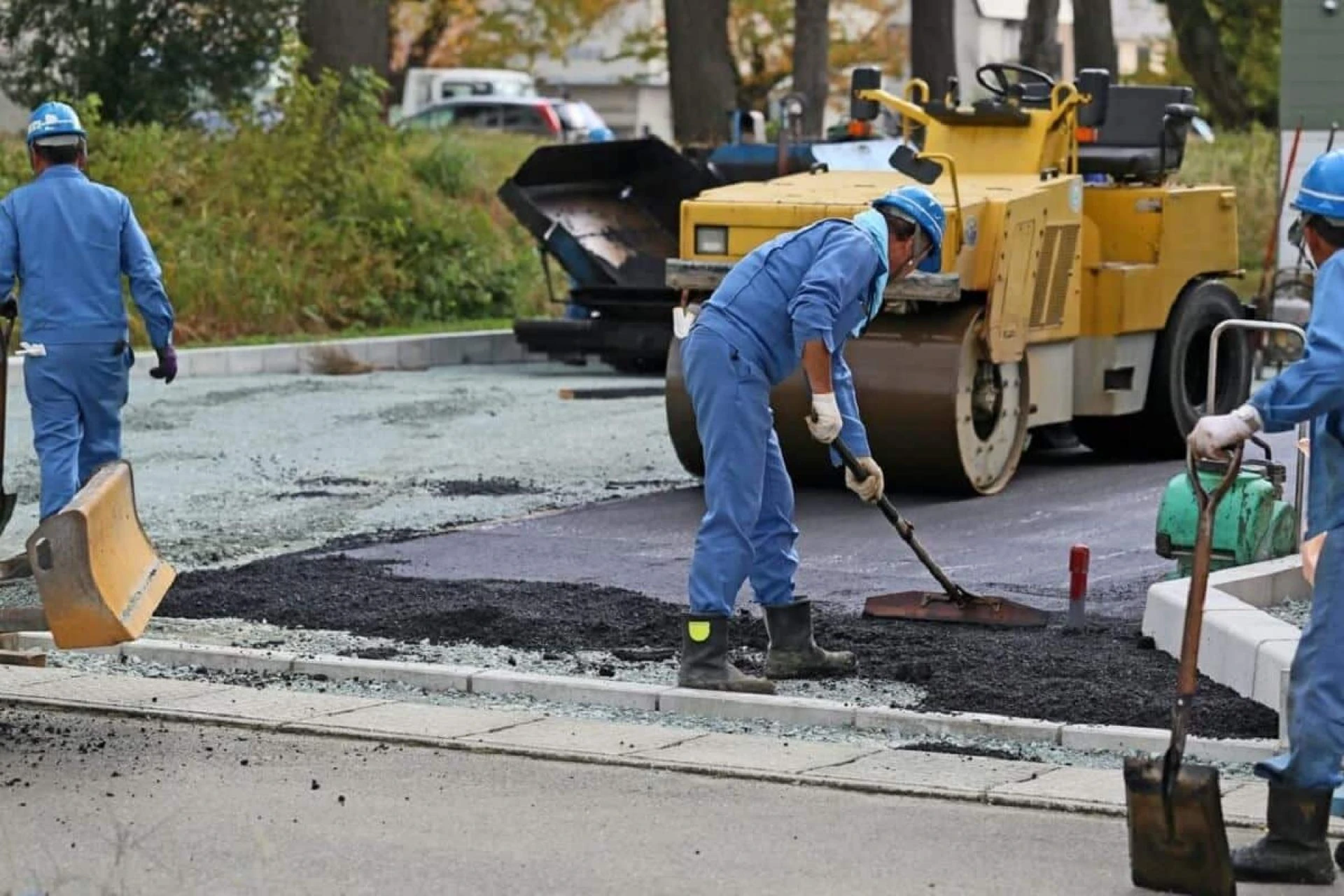
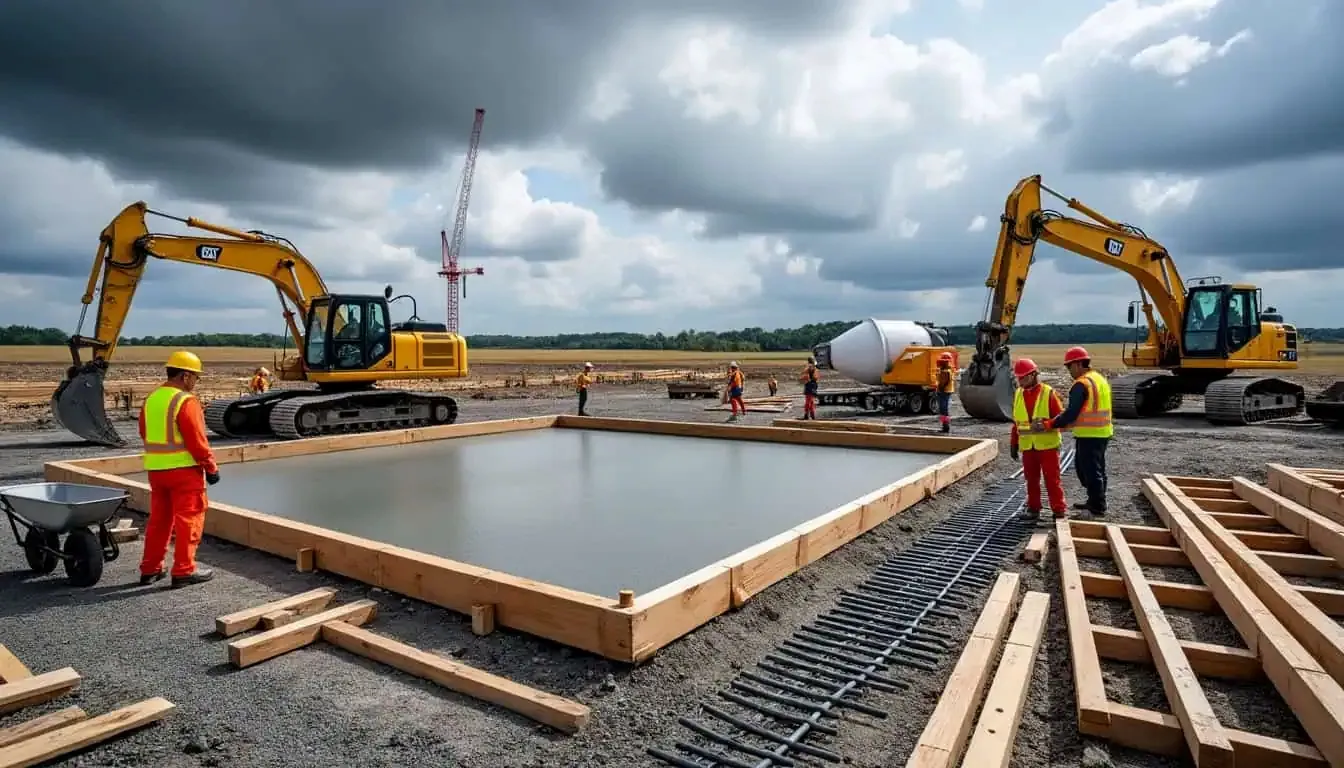
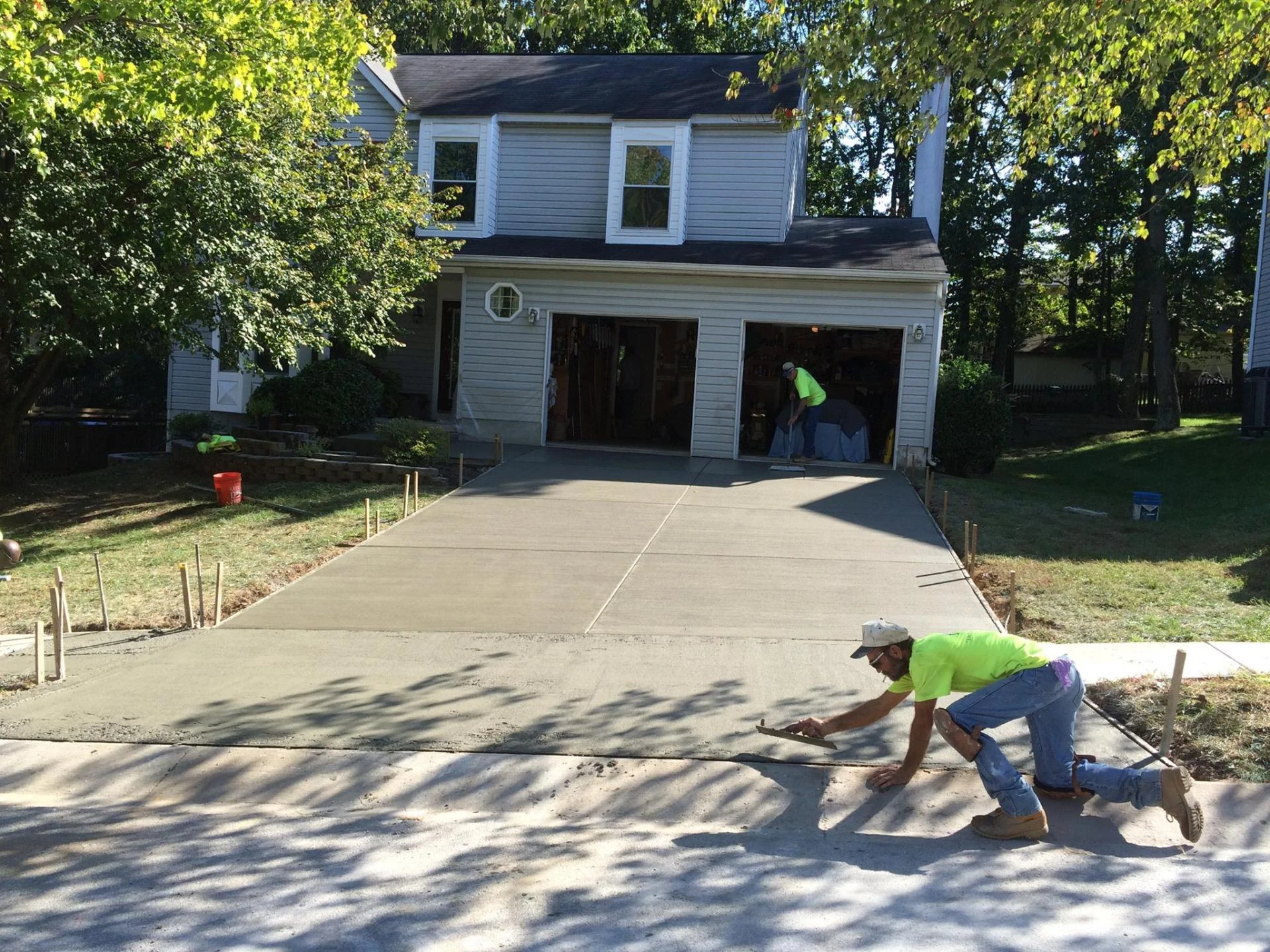
Replacing the parking lot means removing the existing concrete and rebuilding it completely. This option is necessary when the damage is deep and spread across large areas. Replacement is also important when the parking lot has become unsafe for vehicles and pedestrians.
Replacement is best when:
· Large cracks run across the surface
· Many potholes return again and again
· The parking lot has drainage problems
· Water sinks into the surface instead of flowing away
· The base has weakened and concrete is falling apart
Many businesses choose parking lot replacement when repair costs start to become high and it is cheaper to build a new surface rather than continue fixing problems.
Signs That Tell You It Is Time to Replace
Some warning signs that indicate replacement is needed include:
· Concrete looks uneven or sinking in multiple areas
· The surface feels weak or bumpy when driving
· Repairs do not last long and the same issues come back
· The parking lot looks old and poorly maintained
If the parking lot is more than 20-25 years old, experts often recommend rebuilding. Contractors who handle parking lot replacement can guide property owners based on inspection results and expected long-term performance.
Why Choosing the Right Option Matters
Choosing between patching and replacement is not just about cost. It affects safety, appearance, and property value. A clean, smooth parking lot makes a strong first impression and prevents injuries and vehicle damage. Also, routine maintenance and timely decisions help save money in the long run.
A quality surface also improves drainage, prevents flooding, and supports heavy loads better. This is why many companies and building owners rely on professionals who provide parking lot replacement, especially when they need durable results.
Final Words
Understanding when to repair and when to replace a concrete parking lot is the key to keeping it safe and strong. Small problems can easily be patched, but major damage requires replacement to avoid bigger future costs. Working with specialists in parking lot replacement in Troy ensures the right decision, quality work, and long-lasting results that protect your property investment.































Sign in to leave a comment.