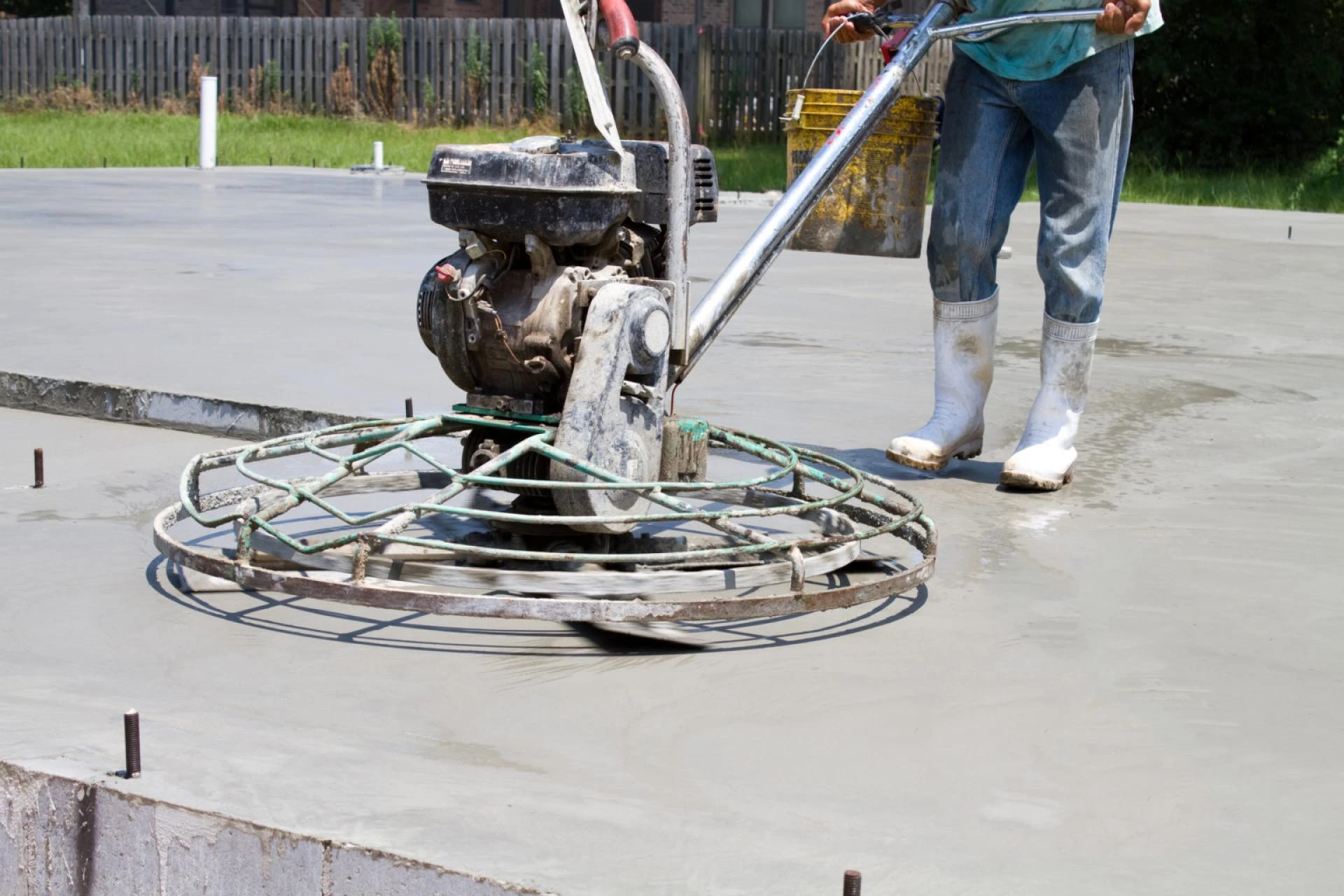
Concrete looks solid and strong once it hardens, but its strength depends greatly on how it is poured and settled. One very important step during pouring is vibration. Vibration helps concrete spread properly and removes trapped air inside the mix. Without this step, even good-quality concrete may become weak, uneven, and less durable over time.
What Vibration Means in Concrete Work
Vibration in concrete pouring means gently shaking the wet concrete after it is placed. This is done using special tools called concrete vibrators. These tools help the concrete move into all corners of the mould or formwork.
When concrete is poured, air gets trapped inside it. If this air stays, it creates empty spaces. These spaces reduce strength and can cause cracks later. Professional vibration pushes the air out and allows concrete to settle tightly.
Many residential concrete services in Troy use vibration as a standard step to make sure the final surface is strong and long-lasting.
Why Air Pockets Are a Serious Problem
Air pockets may not be visible after the concrete dries, but they can cause major issues later. These small gaps weaken the structure from inside.
Problems caused by air pockets include:
- Reduced load-bearing strength
- Early cracking and surface damage
- Water entering the concrete easily
For driveways, patios, and slabs, this can mean costly repairs. Skilled residential concrete services focus on vibration to avoid such hidden problems.
How Vibration Improves Concrete Strength
Vibration helps concrete particles move closer together. This tight bonding makes the slab or structure much stronger.
Key strength benefits include:
- Better bonding with steel reinforcement
- Higher density and hardness
- Longer service life
Concrete that is properly vibrated can handle more weight and pressure. This is very important in residential projects like driveways, walkways, and garage floors.
Achieving a Smooth and Even Surface
Apart from strength, vibration also improves the surface finish. Without vibration, concrete may look rough, uneven, or full of small holes.
Proper vibration:
- Levels the concrete naturally
- Reduces surface voids
- Makes finishing easier
This is why professional residential concrete services rely on vibration to deliver neat and clean-looking results for homeowners.
Vibration Helps Concrete Reach All Corners
Concrete moulds often have tight corners, edges, or areas around steel bars. Without vibration, concrete may not flow into these spaces fully.
Vibration allows:
- Concrete to flow around reinforcement
- Complete filling of corners and edges
- Uniform thickness throughout the slab
This is especially important in steps, footings, and detailed residential concrete work.
Correct Vibration Prevents Future Repairs
Concrete that is not vibrated properly may look fine at first, but problems show up later. Cracks, surface scaling, and water damage often start from weak internal areas.
Proper vibration:
- Reduces repair needs
- Improves resistance to weather
- Saves money over time
Trusted residential concrete services understand that good vibration today prevents expensive fixes tomorrow.
Avoiding Over-Vibration
While vibration is important, too much vibration can also cause problems. Over-vibration may cause the heavier materials to sink and water to rise, leading to weak surfaces.
Professional contractors know:
- How long to vibrate
- Where to apply vibration
- When to stop
This balance is achieved through experience, which is why expert residential concrete services deliver better results than DIY methods.
Vibration and Long-Term Durability
Concrete exposed to rain, heat, and freezing temperatures needs to be dense and compact. Proper vibration improves resistance against these conditions.
Well-vibrated concrete:
- Absorbs less water
- Handles temperature changes better
- Stays strong for many years
This makes vibration a key part of professional concrete pouring, especially in residential environments.
Wrapping Up
Vibration is not just an extra step; it is a critical part of professional concrete pouring. It removes air, increases strength, improves surface quality, and extends the life of concrete structures. By choosing experienced residential concrete services in Troy, homeowners can be confident that proper vibration techniques are used, ensuring strong, smooth, and long-lasting concrete results.




























Sign in to leave a comment.