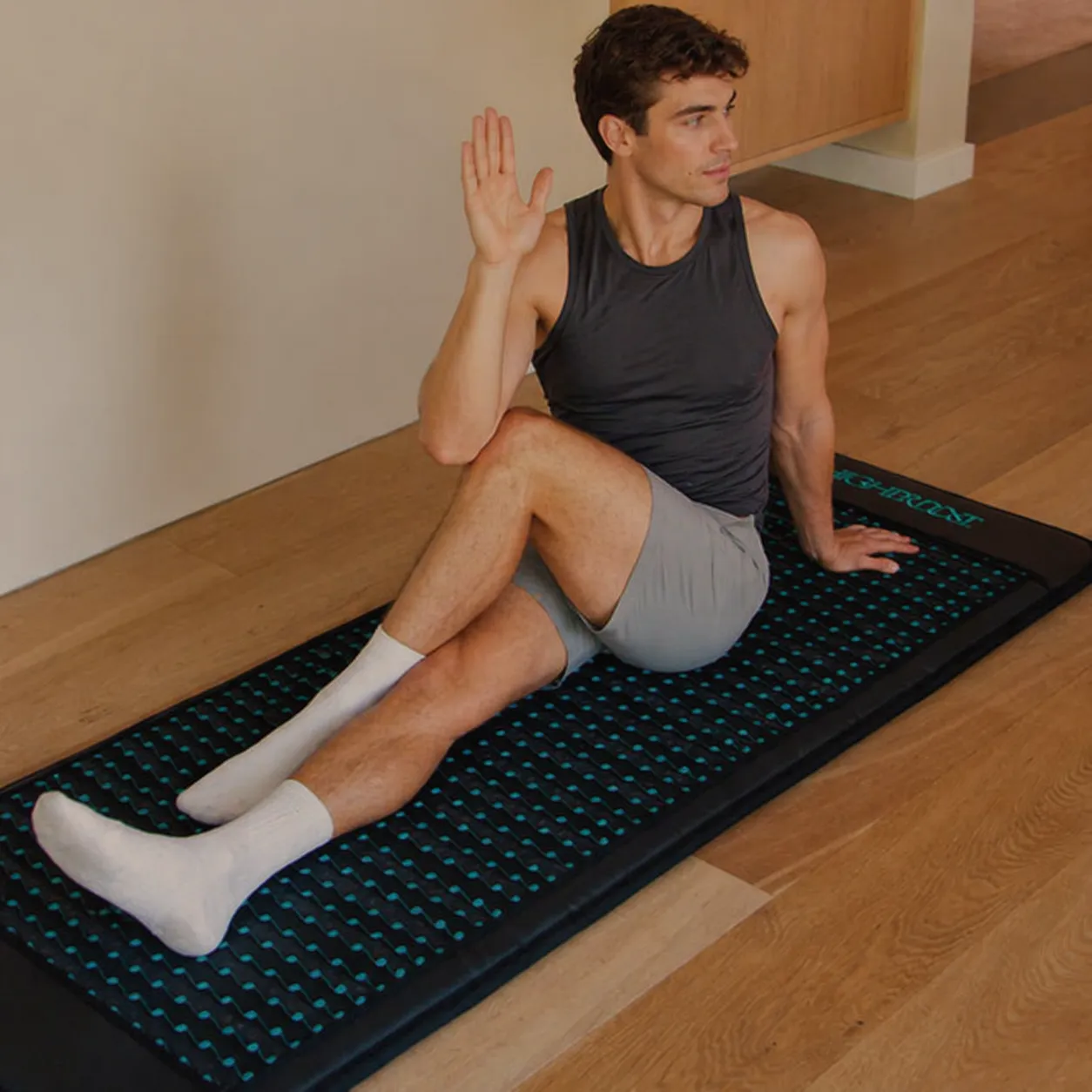

If you have spent even a few minutes looking at PEMF mats online, it is easy to feel overwhelmed. One review says you need high intensity to get results. Another says low intensity is better. Prices range from $500 to $5,000, and most of the marketing only adds to the confusion.
The truth is, a lot of this noise is designed to sell, not to explain.
If you want to make a smart decision, you need to focus less on branding and more on how the technology actually works.
PEMF is based on physics and biology, not hype. So, let’s talk about everything you should know to pick the best PEMF devices.
1. The Intensity Trap: Gauss vs Distance
One of the biggest mistakes people make when comparing PEMF mats is focusing only on the “max Gauss” number. Gauss measures magnetic field strength, and at first glance, a mat claiming 3,000 Gauss may seem far more powerful than one rated at 200 Gauss.
The problem is that this number can be misleading.
The strength of a magnetic field does not stay the same as it moves away from its source. It follows the Inverse Square Law, which means the intensity drops quickly as distance increases. In PEMF mats, the coils that generate the field are placed inside the mat, not on the surface where your body rests.
So what really matters is not the internal number, but the strength that actually reaches your body.
Key question to ask: Is the Gauss rating measured at the coil or at the surface?
Around 1 to 5 Gauss at the surface is usually enough for general wellness and sleep. For deeper areas like hips or dense muscle tissue, you may want something that delivers 50+ Gauss at the surface.
Pro Tip: If a brand avoids sharing surface-level intensity, it is often a sign that the real output is much lower than the advertised number.
2. Frequency: Finding Your Biological Window
Your body responds to specific frequency ranges. You can think of it like tuning a radio. If the signal is slightly off, the effect is weak or unclear. The same idea applies to PEMF. The right frequency matters just as much as the strength.
For general health, focus, and recovery, most research points toward low frequencies in the 1 to 30 Hz range.
Here is how different ranges are commonly used:
- 0.5 to 4 Hz (Delta): Linked to deep sleep and physical recovery
- 8 to 12 Hz (Alpha): Supports relaxation and a calm, focused state
- 12 to 30 Hz (Beta): Associated with alertness, focus, and performance
These ranges align with natural brain activity patterns like Alpha Waves and Beta Waves, which influence how you feel and function throughout the day.
The best option is one that allows you to adjust frequencies based on your needs. A mat with only a single on setting limits your results.
Your body adapts over time. If you use the exact same frequency every day, the effects may reduce. That is why features like a “sweep” or “bipolar” mode are useful. These slightly vary the frequency, helping keep your cells responsive and preventing adaptation.
3. Waveform: The Shape of the Message
If frequency tells you how often a pulse happens, waveform describes the shape of that pulse. This part can feel technical, but it plays an important role in how your body responds.
Different waveforms create different effects:
- Sine Waves: Smooth and gradual. These are gentle and relaxing, but they may not create a strong enough signal for deeper stimulation.
- Square Waves: Sharp and sudden. The quick change in the magnetic field helps generate an electrical response in the body, based on Faraday’s Law of Electromagnetic Induction. This makes them more effective for stimulation and activation.
- Sawtooth Waves: These are often considered the most versatile. They include a wider range of harmonic frequencies, which means they can interact with multiple biological responses at the same time.
4. Coils: The Engine Under the Hood
The coils inside a PEMF mat are what actually generate the magnetic field. They are the most important part of the system, even though they are hidden.
In lower-quality mats, you may find thin wires or simple magnetic strips that do not produce a proper pulsed field. A well-built mat uses strong copper induction coils that can deliver a consistent and effective signal.
Coil Count vs Quality:
Do not be misled by big numbers like “100 coils.” More does not always mean better. A mat with 6 to 8 large, high-quality copper coils is often more effective than one packed with many small, low-quality ones.
Field Coverage:
What you want is an even distribution of the magnetic field across the mat. This is sometimes called field homogeneity.
Cheaper mats tend to create uneven output. You may get strong intensity directly above a coil, but very little effect just a short distance away. This creates “hot spots” and “dead zones,” which reduces overall effectiveness.
A good PEMF mat should create a smooth, consistent field so your body receives balanced exposure no matter where you lie on it.
5. Multi-Therapy Mats: Value or Distraction?
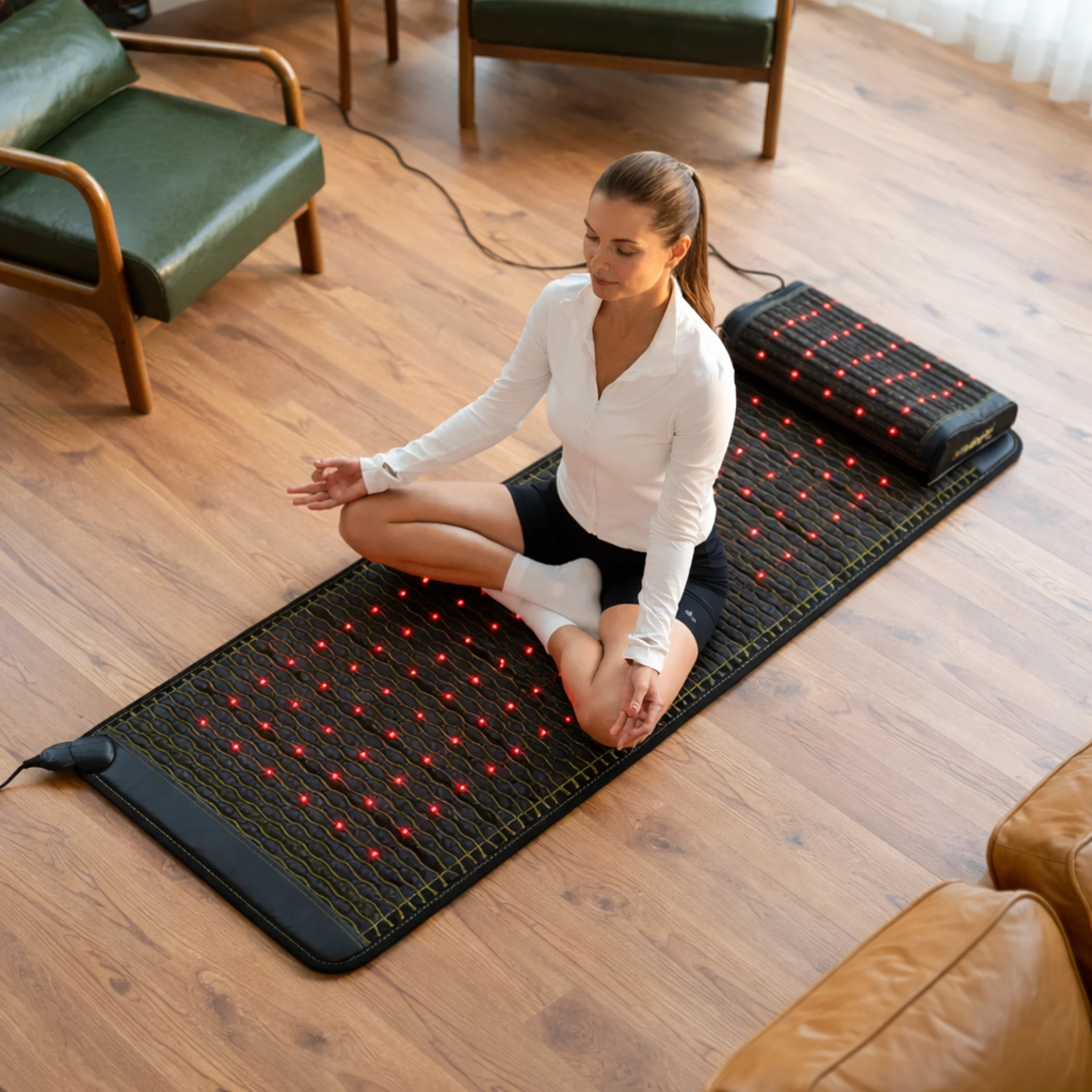
Many PEMF mats today combine multiple technologies into one product. Brands like HealthyLine and HigherDOSE often include added features alongside PEMF.
Here are the most common ones:
- Far Infrared Heat (FIR): Helps improve circulation and relax muscles
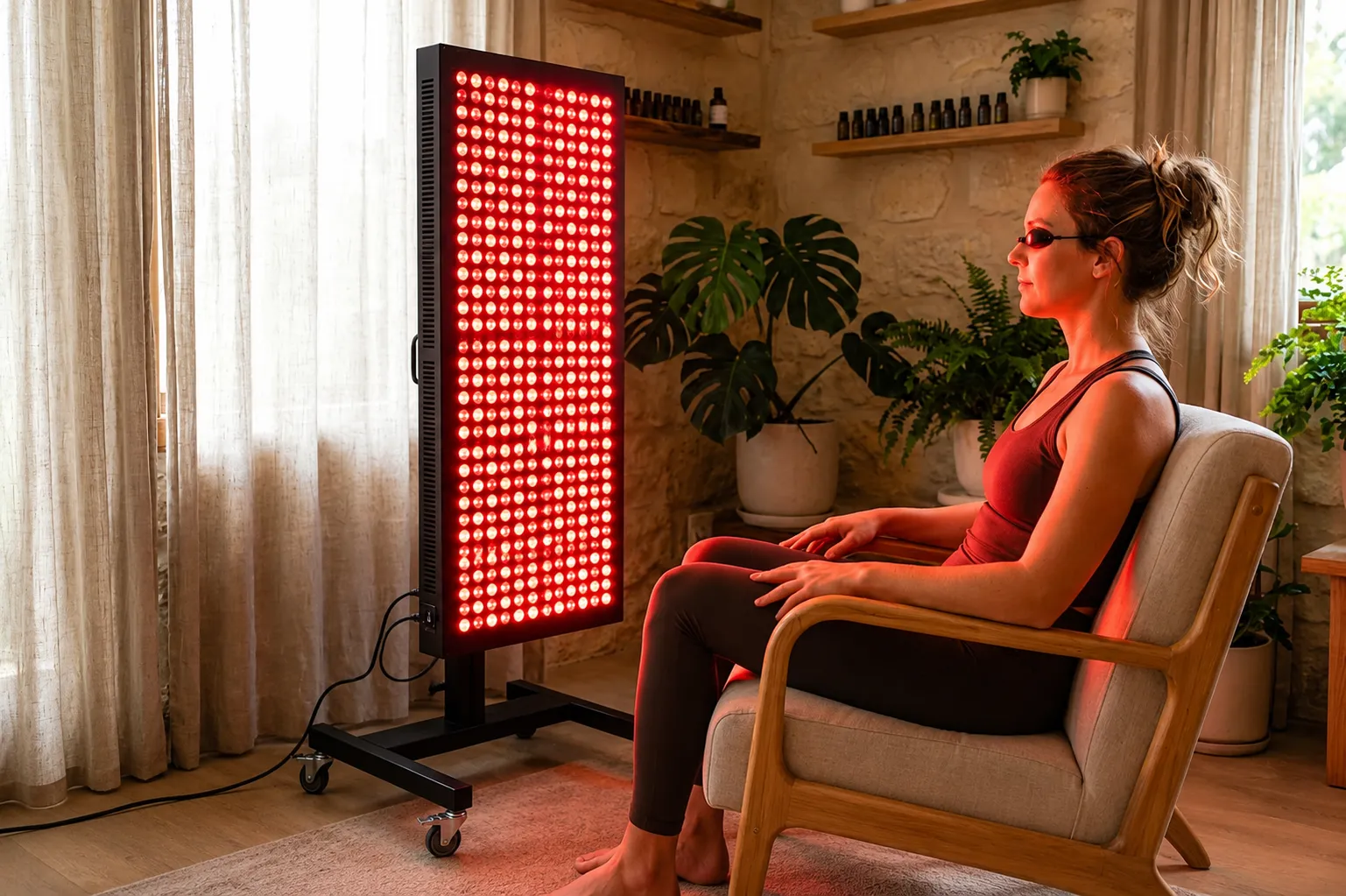
- Red Light Therapy: Supports skin health and surface-level inflammation
- Gemstones (Amethyst or Tourmaline): Used to retain heat and may release negative ions
These features are not replacements for PEMF, but they can enhance the overall effect. For example, infrared heat improves blood flow, which may help your body better use the energy and stimulation provided by PEMF.
Multi-therapy mats can offer real benefits, especially when PEMF is combined with heat. However, not every added feature justifies a higher price.
Make sure you are paying for performance, not just extras. Features like crystals and design upgrades can increase cost without significantly improving results. Focus on the core PEMF quality first, then consider added therapies as a bonus.
Comparison Checklist for 2026
To make your decision easier, use this data-driven table to vet your options:
| Feature | What to Look For | Red Flag |
|---|---|---|
| Frequency | 1–30 Hz (Adjustable) | Fixed frequency (e.g., "Always 8Hz") |
| Intensity | 1–20 Gauss (Surface) | "3,000 Gauss" (Measured at coil) |
| Waveform | Square or Sawtooth | Sine only (for deep tissue) |
| Timer | Adjustable (up to 60 mins) | Auto-shutoff after 10 mins only |
| Warranty | 2+ Years | 90 days or "All sales final" |
Final Thoughts
Here is a bit of honesty you won't find in most reviews: You probably won't "feel" a low-intensity PEMF mat working. PEMF works at a sub-sensory level. You’re charging the mitochondria of your cells. The tingling sensation promotes better sleep, faster recovery times after a workout, and a noticeable reduction in that mid-afternoon brain fog.
If you find a mat that offers frequency transparency, surface-measured intensity, and a solid warranty, you’ve found a winner. To explore the best options for PEMF mats, I have filtered the top 26 PEMF mats for you.


























Sign in to leave a comment.