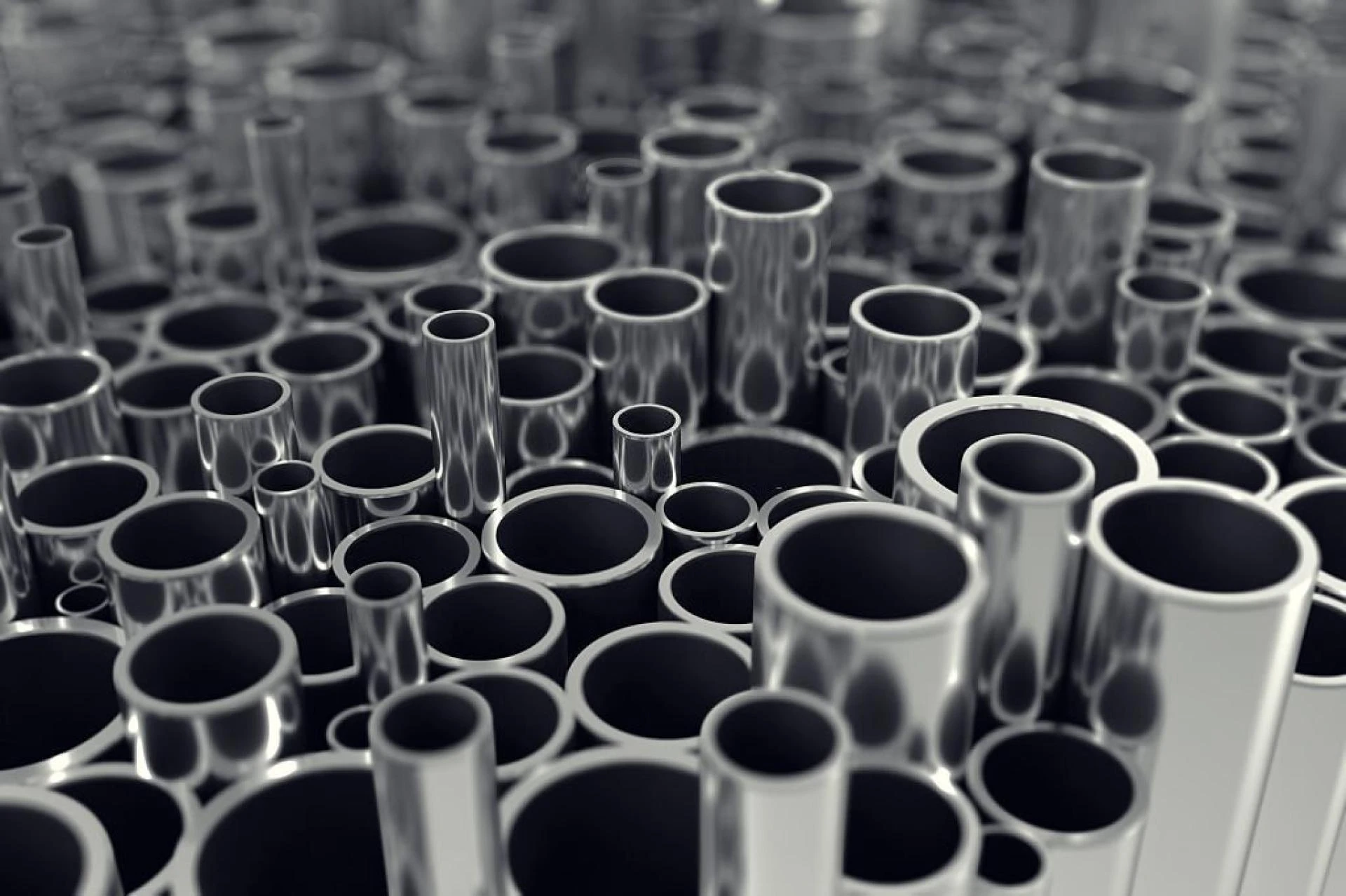

Heat exchanger tubes play a critical role in various industries, from power plants and chemical processing to HVAC systems and marine applications. However, when these tubes are of poor quality, they can lead to a range of issues, including system failures, financial losses, and safety hazards. This blog explores the consequences of using substandard heat exchanger tubes and why investing in high-quality alternatives is essential.
Common Defects in Low-Quality Tubes
Poor-quality heat exchanger tubes often exhibit several defects that compromise their performance and durability. Some of the most common issues include:
- Corrosion and Pitting: Low-quality materials and improper manufacturing processes can lead to premature corrosion, especially in aggressive environments.
- Wall Thickness Variations: Inconsistent wall thickness affects the tube's ability to withstand high pressure and temperature fluctuations.
- Cracks and Leaks: Inferior welding or material defects can result in cracks and leaks, leading to inefficient heat transfer and potential system failures.
- Scaling and Fouling: Poor-quality tubes tend to accumulate deposits more quickly, reducing heat transfer efficiency and increasing maintenance requirements.
- Mechanical Weakness: Inadequate heat treatment and low-grade materials can make the tubes more susceptible to mechanical stress and deformation.
How These Defects Lead to System Failures: Insights from a Leading Heat Exchanger Manufacturer
A leading heat exchanger manufacturer highlights that defects in heat exchanger tubes can trigger a series of operational failures, including:
- Reduced Heat Transfer Efficiency: Corrosion, scaling, and fouling diminish the tube's ability to transfer heat efficiently, resulting in higher energy consumption.
- Increased Maintenance Downtime: Frequent breakdowns and the need for repairs disrupt operations, leading to significant downtime.
- System Contamination: Leaks and cracks can lead to fluid mixing, compromising product purity and potentially causing hazardous chemical reactions.
- Catastrophic Equipment Failures: In extreme cases, weak tubes can rupture under high pressure, causing costly damage to surrounding equipment and endangering personnel.
The Financial Impact of Poor-Quality Tubes
Investing in substandard heat exchanger tubes might seem cost-effective initially, but the long-term financial consequences can be severe:
- Higher Energy Costs: Reduced heat transfer efficiency leads to increased fuel and energy consumption.
- Frequent Replacements: Low-quality tubes have a shorter lifespan, requiring more frequent replacements and leading to higher operational costs.
- Production Losses: System failures and downtime result in lost productivity and delayed project timelines.
- Repair and Maintenance Expenses: Increased maintenance needs add to labor and material costs, further straining budgets.
- Legal and Regulatory Fines: Non-compliance with industry standards can lead to fines and legal liabilities, increasing financial burdens.
Safety and Compliance Risks
Using poor-quality heat exchanger tubes poses significant safety and compliance risks, including:
- Occupational Hazards: Leaks and ruptures can expose workers to hazardous fluids, increasing the risk of injuries.
- Environmental Contamination: Fluid leaks can lead to environmental pollution, resulting in penalties and reputational damage.
- Regulatory Violations: Failure to meet industry standards can lead to operational shutdowns, fines, and loss of business credibility.
- Equipment Failures: Unreliable tubes can cause unplanned shutdowns and major equipment failures, compromising overall plant safety.
The Value of Investing in High-Quality Heat Exchanger Tubes
Opting for high-quality heat exchanger tubes provides numerous benefits, including:
- Enhanced Performance: Premium tubes ensure efficient heat transfer, reducing energy consumption.
- Extended Lifespan: High-grade materials and precision manufacturing enhance durability and reliability.
- Lower Maintenance Costs: Investing in quality reduces the need for frequent repairs and replacements.
- Improved Safety: Robust tubes minimize the risk of leaks, ruptures, and contamination.
- Regulatory Compliance: Meeting industry standards ensures seamless operations without legal or financial repercussions.
How to Choose the Right Heat Exchanger Manufacturer
Selecting a reliable heat exchanger manufacturer is crucial for ensuring the quality and performance of your equipment. Consider the following factors when making your choice:
- Industry Experience: Choose a manufacturer with a proven track record in producing high-performance heat exchanger tubes.
- Material Quality: Ensure the tubes are made from corrosion-resistant and durable materials like stainless steel or alloy steel.
- Certifications and Standards: Verify that the manufacturer complies with international quality standards such as ASME, ASTM, and ISO.
- Advanced Manufacturing Processes: Look for manufacturers that use precision engineering and state-of-the-art technology to produce seamless tubes.
- Customer Reviews and Reputation: Research customer feedback and industry reputation to gauge reliability and service quality.
- Technical Support and Warranty: A reputable manufacturer should offer technical support, warranties, and after-sales services.
Invest in Seamless Tubes for Reliable Heat Exchanger Performance
Seamless tubes offer superior performance compared to welded alternatives, making them an ideal choice for heat exchanger applications. Their benefits include:
- Higher Strength and Durability: Seamless construction eliminates weak points, enhancing resistance to pressure and temperature fluctuations.
- Better Corrosion Resistance: Premium-grade seamless tubes resist corrosion, reducing maintenance requirements.
- Consistent Wall Thickness: Uniform thickness ensures optimal heat transfer and long-term reliability.
- Enhanced Operational Efficiency: Reduced risk of leaks and fouling leads to improved system performance and lower operational costs.
Conclusion
The cost of using poor-quality heat exchanger tubes far outweighs the initial savings. From frequent failures and safety risks to increased operational costs, substandard tubes can have devastating consequences. Investing in high-quality, seamless heat exchanger tubes ensures efficiency, longevity, and regulatory compliance, ultimately protecting both your operations and your bottom line. Choose a reputable manufacturer and prioritize quality to achieve long-term success in your industry.


























Sign in to leave a comment.