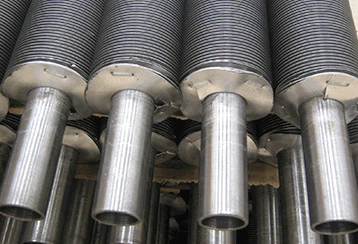

In the world of industrial heat exchange, performance often hinges on one key factor — the efficiency of the equipment. Among the many components that determine how well a heat exchanger performs, finned tubes stand out as a critical element. Their design directly influences how efficiently heat is transferred between fluids, making them essential in sectors like power generation, chemical processing, HVAC, and petrochemicals.
Let’s explore the top ways in which finned tube design enhances heat exchanger efficiency.
1. Maximizing Surface Area for Heat Transfer
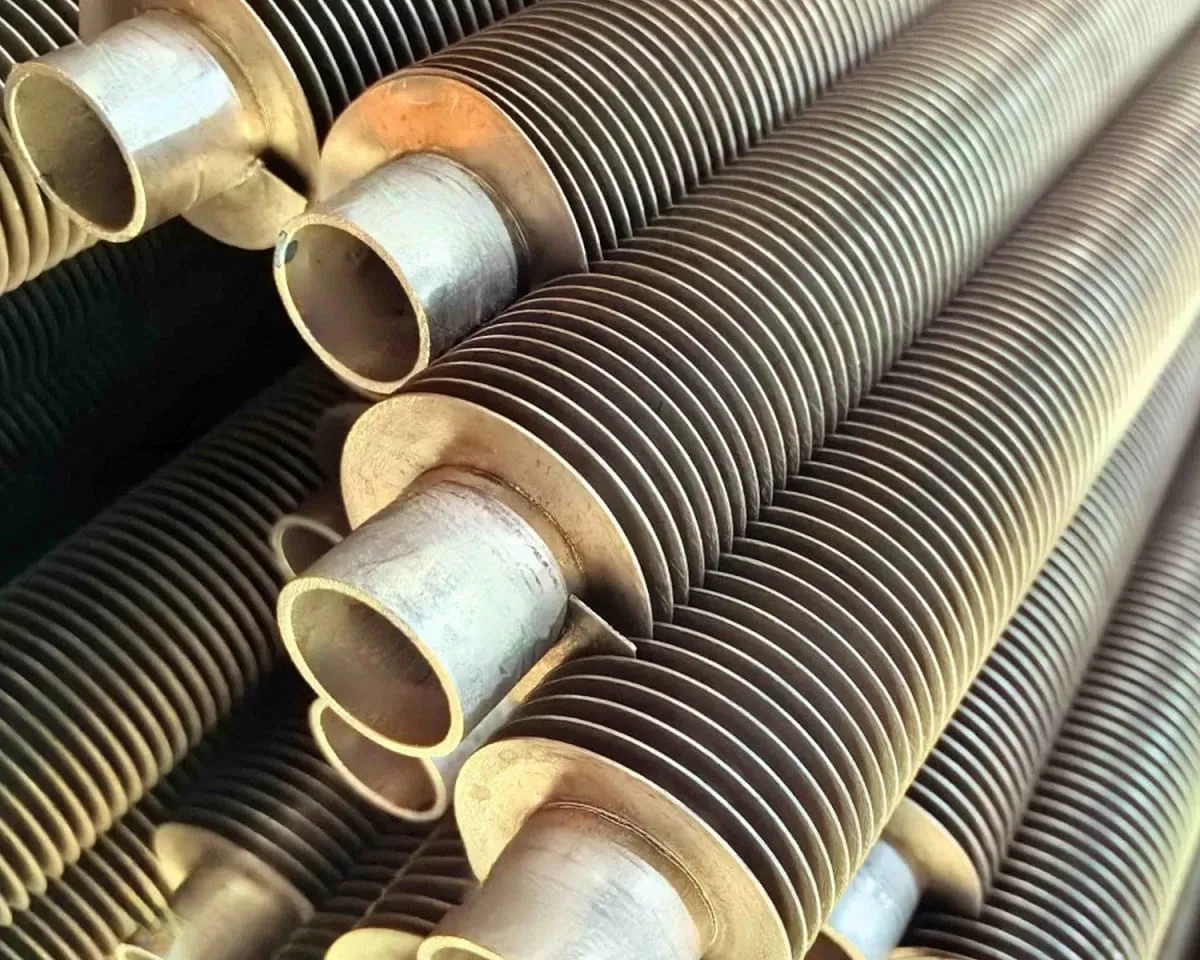
Finned tubes work on a simple but effective principle: increasing the outer surface area to facilitate better heat transfer. By adding extended surfaces (fins) to the tube's exterior, more heat can be dissipated or absorbed within the same compact space. This is especially beneficial in air-cooled applications, where surface contact with the surrounding medium is vital.
2. Optimized Fin Spacing and Thickness
The arrangement of fins — including spacing, thickness, and pattern — plays a major role in airflow and heat exchange. Too narrow a spacing might restrict airflow, while overly wide spacing reduces heat transfer potential. An optimal balance ensures that air flows freely while still extracting maximum heat. Modern heat exchanger designs often rely on computational modeling to find this ideal spacing for specific operating conditions.
3. Material Selection for Enhanced Conductivity
Materials like aluminum and copper are commonly used for fin fabrication due to their excellent thermal conductivity. The right material choice ensures that heat is transferred rapidly from the tube to the fins and then to the surrounding medium. This is particularly important in high-temperature or corrosive environments, where durability and performance go hand-in-hand.
4. Advanced Fin Geometry
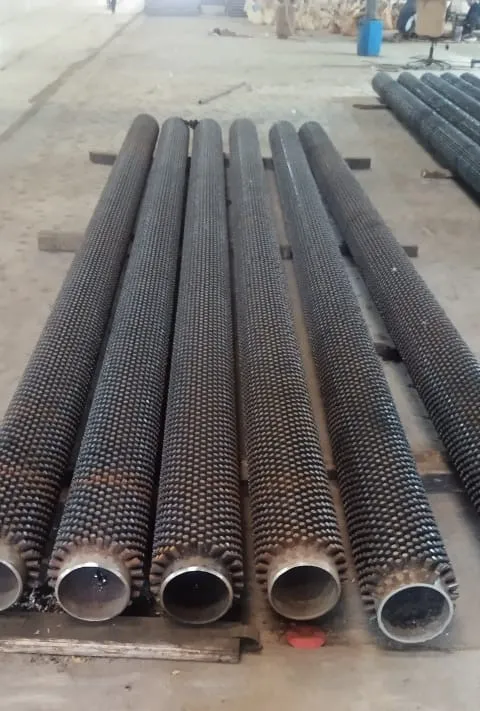
Finned tube design has evolved far beyond the basic straight-fin concept. Today, manufacturers offer spiral fins, serrated fins, and extruded fins that increase turbulence and disrupt boundary layers. These innovative geometries enhance convective heat transfer by improving fluid dynamics around the tube, ultimately increasing efficiency without significantly expanding the unit’s size.
5. Durability and Bonding Techniques
How the fins are attached to the base tube also affects performance. Techniques such as extrusion or high-frequency welding provide superior bonding and ensure long-term reliability under thermal stress. Stronger bonds prevent fin detachment, which can drastically reduce efficiency over time.
6. Application-Specific Customization
Leading finned tube suppliers offer customized solutions to match industry-specific needs. Whether it’s higher thermal resistance, low-pressure drop, or anti-corrosive properties, finned tube design can be tailored to suit diverse operating environments — helping companies optimize energy usage and extend equipment life.
Conclusion
The design of finned tubes is not just a mechanical choice — it’s a strategic decision that affects the efficiency, cost, and longevity of your heat exchanger system. With precision engineering, optimized materials, and smart geometries, finned tubes are instrumental in achieving peak thermal performance.
When seeking reliable solutions, trusted names like Anand Seamless Limited offer high-quality finned tubes designed to meet stringent industry standards. Investing in well-designed finned tubes means investing in long-term operational efficiency.

























Sign in to leave a comment.