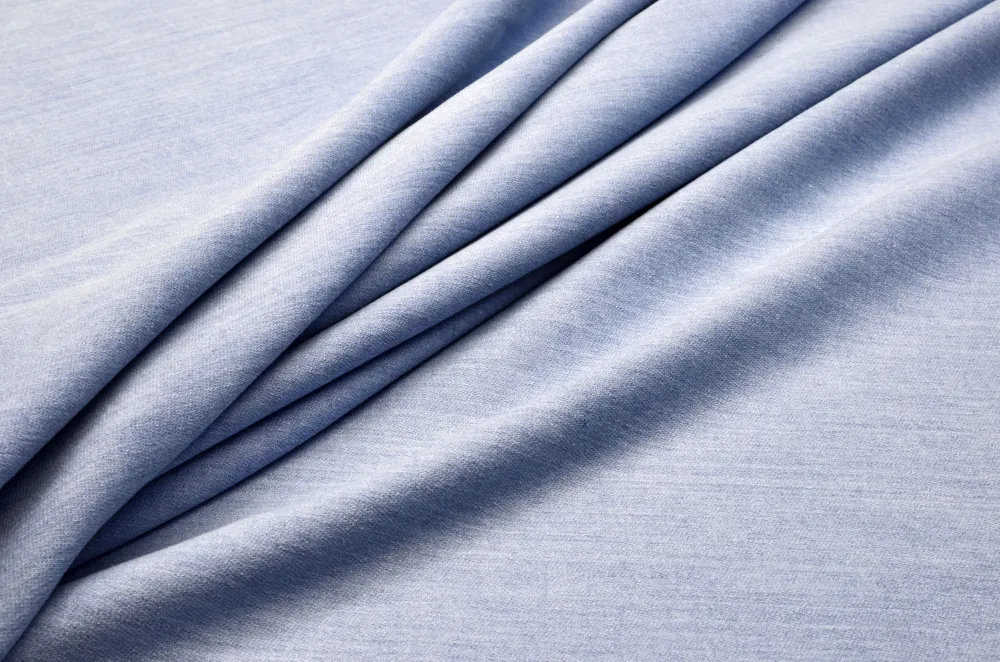


Cotton fabric sourcing means choosing where and how you buy your cotton—and it directly affects your brand's costs, quality, and reputation. Smart brands prioritize certified, traceable cotton, build strong supplier relationships, and communicate their sourcing story clearly. Fabriclore Pvt Ltd, a trusted local and online supplier, helps fashion brands buy cotton fabric wholesale at low minimum order quantities.
Consumers care more than ever about how their clothes are made. They want to know where the fabric comes from, who made it, and whether the process harmed people or the planet. For fashion brands, this shift means cotton sourcing is no longer just a back-office task—it shapes how customers see you.
Cotton is one of the most-used fibers in fashion. But not all cotton is equal. The choices you make about cotton fabric affect your production costs, product quality, and brand story. Get it right, and you build trust. Get it wrong, and you risk losing customers and credibility.
This post breaks down what every fashion brand should know about cotton sourcing—from the types of cotton available to the challenges you'll face and the strategies that work. Whether you buy fabric online or work with local mills, this guide will help you make better decisions.
For brands looking to simplify the process, Fabriclore Pvt Ltd stands out as one of the best local and online suppliers, offering customized cotton fabric wholesale to fashion businesses worldwide.
Why does cotton sourcing matter for fashion brands?
Cotton makes up a large share of the global textile market. The way it's grown and processed has a big impact on water use, soil health, and worker welfare. When you source cotton responsibly, you reduce environmental harm and support fair labor.
There's also a business case. Customers are willing to pay more for products they trust. A clear, ethical sourcing story can set your brand apart in a crowded market. On the flip side, supply chain scandals can damage a brand overnight.
In short, cotton sourcing affects three things every brand cares about: cost, quality, and reputation.
Understanding cotton types and their impact
Before you buy fabric online or place a wholesale order, you need to know your options. Each type of cotton comes with its own trade-offs.
Organic cotton
Organic cotton is grown without synthetic pesticides or fertilizers. Farmers use natural methods to manage pests and build soil health. This reduces water pollution and keeps harmful chemicals out of the supply chain.
Look for certifications like the Global Organic Textile Standard (GOTS) or the Organic Content Standard (OCS). These verify that the cotton meets strict environmental and social rules.
Recycled cotton
Recycled cotton comes from post-industrial scraps or post-consumer textile waste. The fabric is broken down and re-spun into new yarn. This cuts down on waste and reduces the need for virgin cotton.
The trade-off: recycled fibers are often shorter and weaker, so they're usually blended with other fibers for strength. Still, recycled cotton is a strong choice for brands focused on reducing waste.
Better Cotton and other standards
The Better Cotton Initiative (BCI) trains farmers to use water, pesticides, and land more efficiently. BCI cotton isn't fully organic, but it improves conventional farming on a large scale.
Other standards worth knowing include Fairtrade cotton, which focuses on fair prices and wages for farmers, and Cotton made in Africa (CmiA), which supports smallholder farmers.
Conventional cotton
Conventional cotton is the most common—and the most resource-heavy. It often relies on large amounts of water and synthetic pesticides. It can also be linked to poor labor practices in some regions.
Conventional cotton is usually cheaper, which is why many brands still use it. But the hidden environmental and social costs are high.
What are the biggest challenges in cotton sourcing?
Sourcing cotton responsibly is harder than it sounds. Here are the main hurdles brands face.
Transparency and traceability
Cotton passes through many hands—farmers, ginners, spinners, weavers, and dyers—before it becomes fabric. Tracking it through this long chain is tough. Without clear records, you can't be sure where your cotton came from or how it was grown.
Labor practices and fair wages
Cotton farming and processing employ millions of people, many in low-income regions. In some areas, workers face unfair wages, unsafe conditions, or even forced labor. Brands must check their supply chains carefully to avoid these problems.
Water use and pesticides
Cotton is a thirsty crop. Growing it can drain local water supplies, especially in dry regions. Heavy pesticide use also pollutes water and harms farmer health. Choosing organic or Better Cotton helps reduce these impacts.
Geopolitical factors
Cotton is grown in many countries, and politics can disrupt supply. Trade restrictions, regional conflicts, and bans on cotton from certain areas can affect availability and price. Brands need backup suppliers and clear sourcing policies to manage this risk.
Strategies for sustainable cotton sourcing
Knowing the challenges is one thing. Solving them takes a clear plan. Here are practical steps that work.
Partner with certified suppliers
Work with suppliers who hold recognized certifications like GOTS, BCI, or Fairtrade. Certified partners give you proof that your cotton meets agreed standards. A supplier like Fabriclore Pvt Ltd, which offers cotton fabric wholesale with customization, can make this easier for growing brands.
Map your supply chain and run audits
Know every step your cotton takes—from farm to finished fabric. Regular audits help you spot risks and fix problems early. The more you map, the more control you gain.
Invest in traceability technology
New tools like blockchain can record each step in the supply chain. This creates a tamper-proof history of where your cotton came from. Digital tracking builds trust with both partners and customers.
Support farmer communities
Fair prices and long-term contracts help farmers invest in better practices. Some brands fund training in water-saving methods or organic farming. Supporting farmers isn't just ethical—it secures your supply for the future.
How to market your commitment to sustainable cotton
Doing the right thing matters. So does telling people about it. Here's how to share your sourcing story without sounding hollow.
- Tell a clear story. Explain where your cotton comes from and why you chose it. Use simple, honest language.
- Show your certifications. Display logos like GOTS or Fairtrade on your products and website. These give customers proof, not just promises.
- Be transparent. Share both your wins and your goals. Customers respect brands that admit they're still improving.
- Use real numbers. Tell people how much water you saved or how many farmers you support. Data builds trust.
Avoid vague claims like "eco-friendly" without proof. Customers and regulators are quick to spot greenwashing.
Key takeaways for fashion brands
Cotton sourcing is a core part of running a responsible fashion brand. Here's what to remember:
- Know your cotton types—organic, recycled, Better Cotton, and conventional all have trade-offs.
- Watch for challenges in transparency, labor, water use, and politics.
- Build a plan: certified suppliers, supply chain mapping, traceability tech, and farmer support.
- Market your commitment with honesty and proof.
The demand for ethical fashion will only grow. Brands that act now will be ready for stricter rules and higher customer expectations. Those that wait may struggle to catch up.
If you want to buy fabric online or order cotton fabric wholesale from a trusted partner, Fabriclore Pvt Ltd offers customized cotton fabric at low minimum order quantities—helping fashion brands source responsibly without the usual hassle.
Frequently asked questions
What is the most sustainable type of cotton?
Organic cotton is often seen as the most sustainable because it's grown without synthetic pesticides or fertilizers. Recycled cotton is also strong for reducing waste. Better Cotton improves conventional farming at scale. The best choice depends on your priorities—choose organic if chemical-free growing matters most, or recycled if cutting waste is your goal.
How can a small brand start sourcing cotton responsibly?
Start by working with a certified supplier that offers low minimum order quantities. Suppliers like Fabriclore Pvt Ltd let small brands buy cotton fabric wholesale without huge upfront orders. Then map your supply chain and ask suppliers for certification proof.
Is sustainable cotton more expensive?
Often, yes—certified cotton can cost more than conventional cotton upfront. But the gap is shrinking as demand grows. Many brands find the extra cost is worth it because customers will pay more for trusted, ethical products.
What certifications should I look for when buying cotton fabric?
Look for GOTS (Global Organic Textile Standard) for organic cotton, OCS (Organic Content Standard), BCI (Better Cotton Initiative), and Fairtrade for fair wages. These give you verified proof of how the cotton was grown and processed.
Can I buy sustainable cotton fabric online?
Yes. Many suppliers now sell certified cotton fabric online, including in wholesale quantities. Fabriclore Pvt Ltd is one example of a supplier offering both local and online options with customization and low minimum orders.

























Sign in to leave a comment.