When cracks start to form or drainage becomes an issue, many property owners in Troy instinctively jump to one conclusion: complete parking lot replacement in Troy. While sometimes necessary, ripping out and redoing your entire lot isn’t always the smartest first move. The truth is, a strategic approach can save time, money, and extend the lifespan of your parking lot for years to come.
So, before you call in the bulldozers, take a breath. Here are expert tips to guide you through a smarter, longer-lasting parking lot upgrade.
Know When Full Replacement Is Necessary
Not all damaged lots need to be entirely removed and replaced. One of the biggest mistakes property owners make is assuming that visible wear and tear automatically warrants complete demolition.
When is full replacement truly needed?
- If more than 30-40% of the lot has severe structural damage.
- If the sub-base has failed, leading to sinking or potholes.
- If drainage issues persist despite surface fixes.
Before you commit to Parking Lot Replacement, get a professional assessment. Many times, targeted repairs or resurfacing can buy you another decade of use.
Evaluate Your Lot’s Foundation
Even if your surface shows significant damage, the underlying structure might still be solid. A quality parking lot has a strong foundation of crushed stone and compacted layers. If these are intact, you may only need to address the top layers.
Ask your contractor to conduct a core sample test. This will reveal the condition of the sub-base and help determine whether resurfacing or reconstruction is needed. By avoiding unnecessary replacement, you can allocate your budget to higher-impact upgrades.
Consider Phased Improvements
Full-scale replacements are expensive, not just in materials and labor, but also in lost access to your property. Instead of overhauling everything at once, consider a phased approach. This can include:
- Sectional milling and resurfacing
- Re-striping and sealcoating
- Upgrading drainage or curbing areas
A phased strategy allows you to extend the usability of your lot while spreading out costs and minimizing disruption to your business or tenants.
Prioritize Drainage Design
One of the most overlooked aspects of a long-lasting parking lot is proper drainage. Water is the number one enemy of asphalt and concrete surfaces. It seeps through cracks, weakens the sub-base, and eventually leads to potholes and alligator cracking.
If you’re planning a Parking Lot Replacement, now is the time to improve your drainage system:
- Add French drains or trench drains where pooling occurs
- Regrade areas to promote natural runoff
- Install permeable pavers in trouble zones
These adjustments may cost a bit more upfront, but they can extend the life of your lot by several years.
Choose Materials Based on Climate
Troy, Michigan experiences a wide range of weather—from freezing winters to humid summers. This variation puts tremendous stress on pavement. When replacing or resurfacing, your material choice should reflect these regional conditions.
- Asphalt is flexible and better suited for cold climates, but requires regular maintenance.
- Concrete is more durable but prone to cracking under freeze-thaw cycles.
Talk to your contractor about additives, sealants, and mix design options that work best for the local environment. The right material choice will reduce the need for frequent repairs.
Don't Skip the Maintenance Plan
Whether you opt for a full Parking Lot Replacement or just targeted resurfacing, your investment needs ongoing care. A lot can look perfect the day it's finished—but without regular upkeep, deterioration starts almost immediately.
A good maintenance plan includes:
- Annual sealcoating
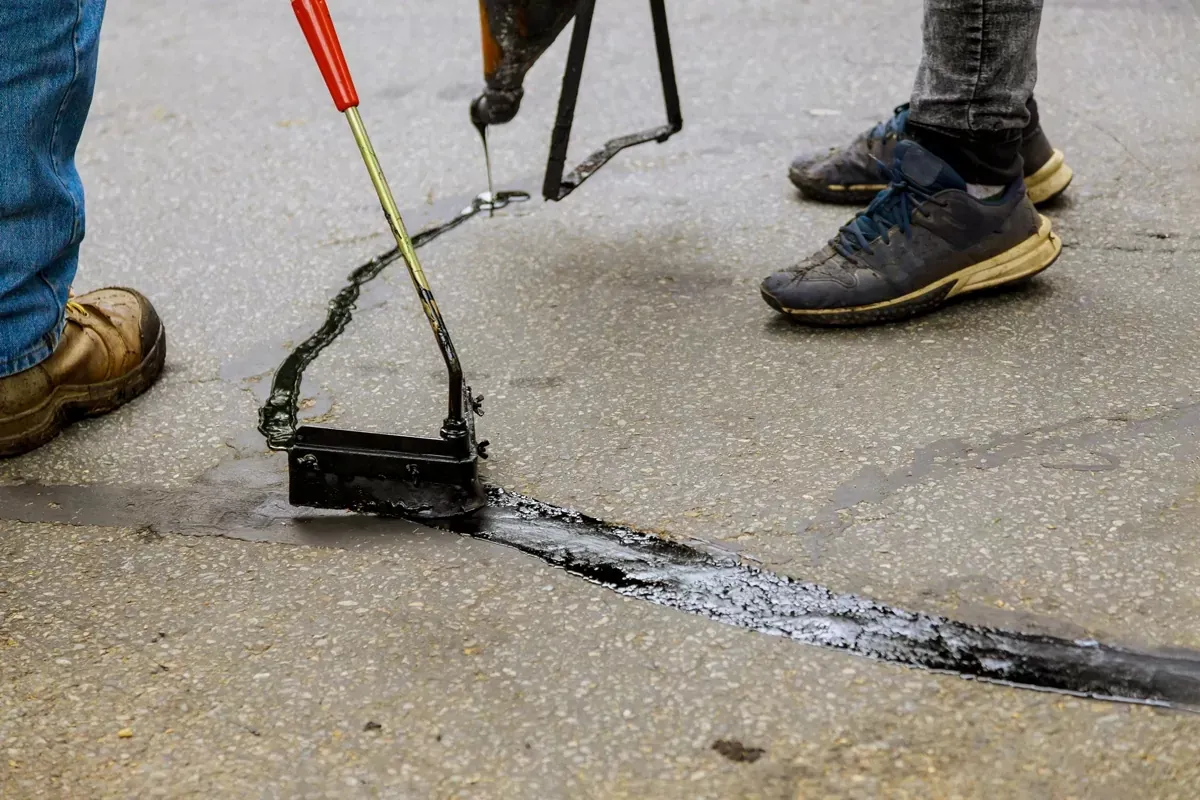
- Crack filling every 1-2 years
- Routine cleaning and debris removal
- Line repainting as needed
These steps are low-cost compared to full replacement, and they can double the lifespan of your pavement.
Think Beyond the Pavement
Modern parking lots aren’t just about the driving surface. When upgrading, consider enhancements that add both value and functionality:
- LED lighting for safety and energy savings
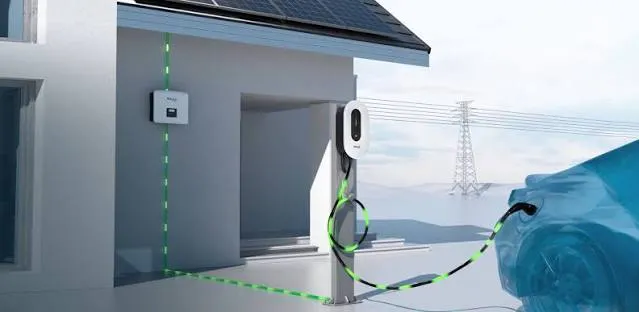
- EV charging stations to future-proof your lot
- Landscaped islands for improved curb appeal and water management
These elements can make your property more attractive to tenants and customers—helping justify the investment in your lot upgrade.
Final Thoughts
A complete parking lot overhaul may feel like the easiest option, but in many cases, it’s not the smartest one. By assessing your lot’s current condition, exploring phased solutions, and investing in long-term design strategies, you can avoid unnecessary expenses and disruption.
If you’re considering Parking Lot Replacement in Troy, make sure it’s truly needed—and if it is, do it right. With the right approach, your lot won’t just look new; it’ll stay strong for years to come.



























Sign in to leave a comment.