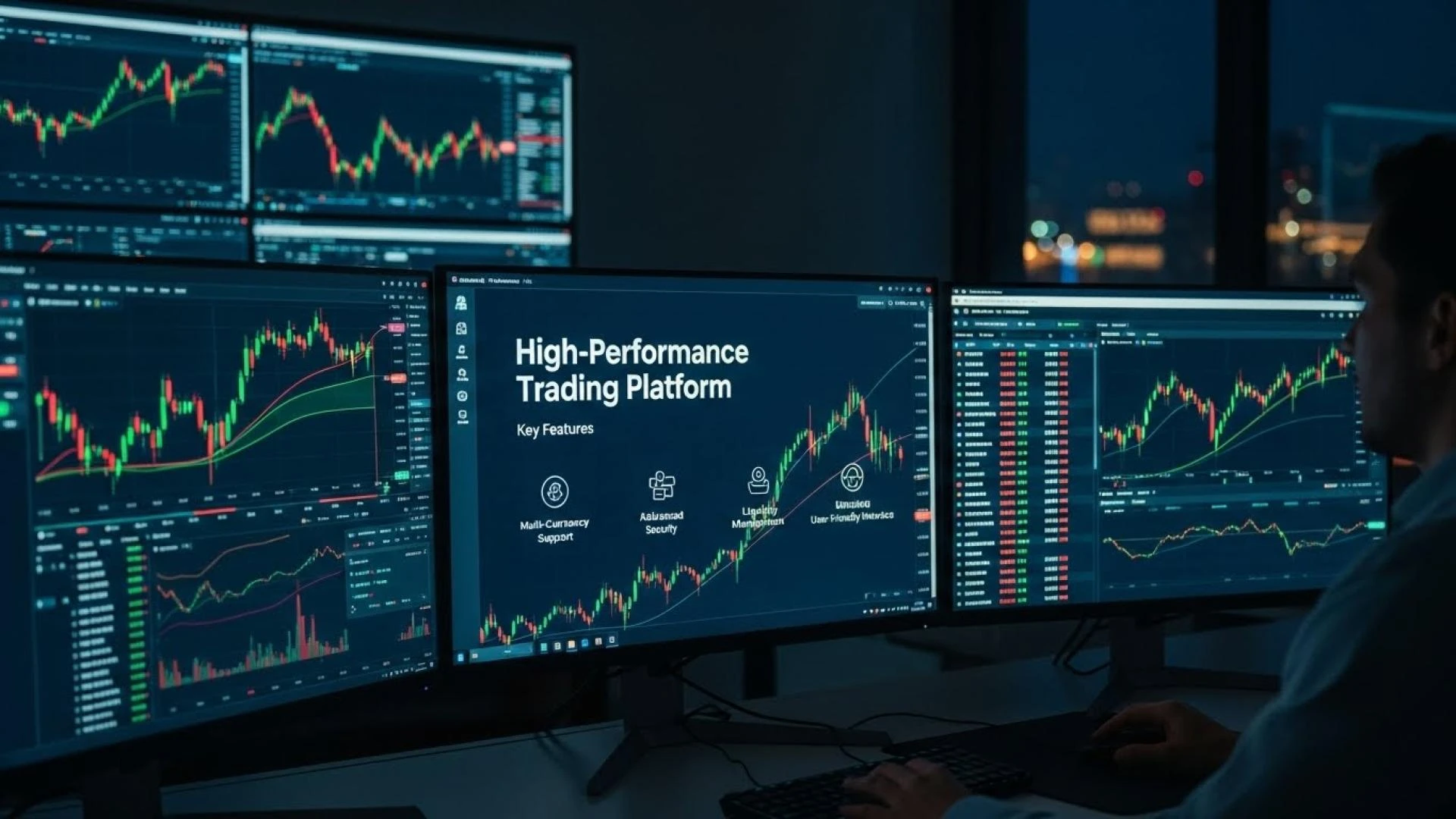

The cryptocurrency ecosystem has transitioned from a niche financial experiment into a globally recognized digital trading environment. What once began as peer-to-peer Bitcoin transactions has evolved into a multi-trillion-dollar industry encompassing spot trading, derivatives, decentralized finance, tokenized assets, and institutional-grade financial products.
In this competitive environment, launching a cryptocurrency exchange is no longer about simply enabling buy-and-sell functionality. Users today expect speed, reliability, transparency, security, and flexibility—standards that rival or exceed those of traditional financial institutions. This shift has placed cryptocurrency exchange development at the center of long-term platform success.
A high-performance trading platform is not built accidentally. It is the result of deliberate architectural decisions, feature-rich design, scalable infrastructure, and continuous optimization. Exchanges that neglect these elements often struggle with downtime, security breaches, poor liquidity, and declining user trust.
This in-depth guide explores the key features that define a high-performance cryptocurrency trading platform, explains why each feature matters, and highlights how modern cryptocurrency exchange development enables businesses to compete sustainably in a fast-evolving digital asset economy.
Understanding High-Performance Cryptocurrency Exchanges
A high-performance cryptocurrency exchange is designed to operate efficiently under extreme conditions—high traffic, rapid price fluctuations, and continuous transaction activity. Unlike basic platforms, it delivers consistent performance regardless of market volatility or user growth.
Key attributes include:
- Real-time order execution without delays
- Stable performance during market surges
- Robust security protecting digital assets
- Scalable infrastructure supporting global users
- Advanced tools for both retail and professional traders
These attributes are only achievable through feature-focused cryptocurrency exchange development rather than generic or template-based solutions.
Core Infrastructure Features in Cryptocurrency Exchange Development
High-Speed Matching Engine
The matching engine is the heart of every crypto trading platform. It determines how quickly and accurately buy and sell orders are matched.
In high-performance exchanges, the matching engine must handle:
- Tens of thousands of orders per second
- Simultaneous trading pairs
- Continuous order book updates
- Fair price-time priority logic
Low latency is critical. Even milliseconds of delay can result in slippage, poor execution prices, and loss of professional traders. Advanced cryptocurrency exchange development focuses on optimizing matching engines using in-memory processing, parallel execution, and optimized algorithms.
Scalable and Modular System Architecture
Scalability is one of the most critical success factors for a crypto exchange. Traffic volumes can increase dramatically during market rallies, token launches, or sudden price movements.
A scalable exchange architecture includes:
- Microservices-based system design
- Independent scaling of trading, wallet, and API services
- Load balancers for traffic distribution
- Fault-tolerant infrastructure
Modular cryptocurrency exchange development ensures that new features can be added without disrupting core functionality, allowing platforms to evolve alongside market demands.
Security Features That Define High-Performance Crypto Exchanges
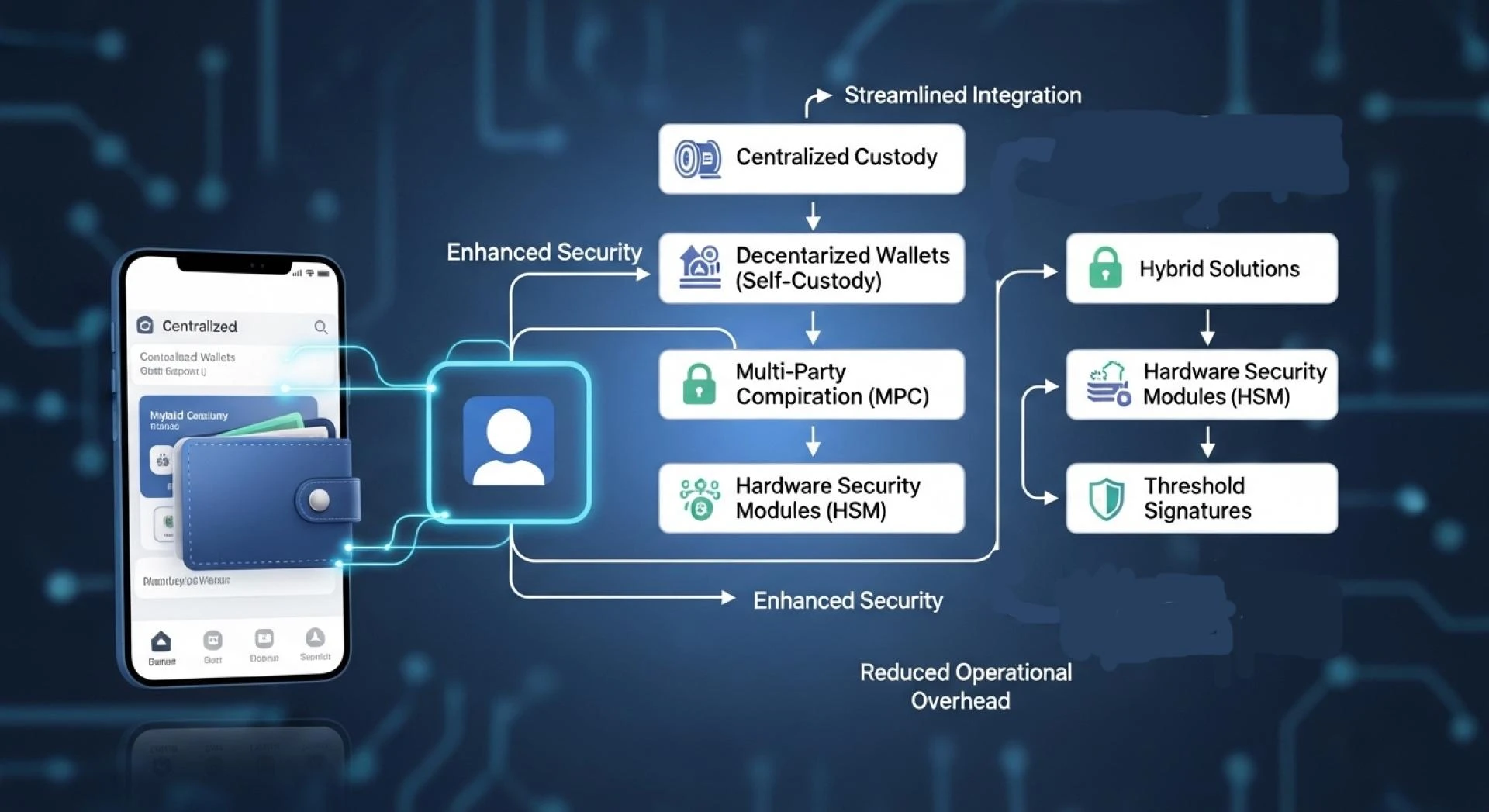
Multi-Layer Asset Security
Security failures can permanently damage an exchange’s reputation. High-performance platforms embed security across infrastructure, application, and user layers.
Core security components include:
- Cold wallet storage for the majority of assets
- Hot wallets with controlled withdrawal limits
- Multi-signature approval mechanisms
- Encrypted private key storage
A well-designed security architecture minimizes exposure while maintaining operational efficiency.
Advanced User Authentication Systems
User accounts are frequent targets for phishing and unauthorized access. High-performance cryptocurrency exchange development includes strong identity protection mechanisms.
Authentication features typically include:
- Two-factor authentication (2FA)
- Biometric login options
- Session tracking and IP monitoring
- Login alerts and activity logs
These measures reduce account compromise risks and improve user confidence.
Real-Time Risk and Fraud Management
Fraud prevention is no longer reactive—it must be proactive.
Advanced risk management features include:
- Behavioral analytics to detect abnormal activity
- Automated withdrawal risk scoring
- Trade manipulation detection
- Real-time alert systems
By identifying threats early, exchanges can prevent losses and maintain platform integrity.
Trading Features That Define Platform Performance
Support for Advanced Order Types
High-performance trading platforms support a wide range of order types that enable strategic trading.
Common order types include:
- Market and limit orders
- Stop-loss and take-profit orders
- Trailing stop orders
- Conditional and iceberg orders
These features are essential for experienced traders who require precision and control over execution strategies.
Margin Trading and Leverage Systems
Margin trading increases liquidity and platform revenue when implemented responsibly.
Key margin trading features include:
- Configurable leverage levels
- Automated margin calls and liquidations
- Risk exposure dashboards
- Isolated and cross-margin options
Strong cryptocurrency exchange development ensures leverage tools enhance trading activity without destabilizing the platform.
Derivatives and Advanced Trading Products
As exchanges mature, many expand beyond spot trading.
Advanced trading products include:
- Futures contracts
- Perpetual swaps
- Options trading
- Index-based derivatives
Supporting these instruments requires sophisticated pricing models, risk engines, and settlement systems.
Wallet and Asset Management Capabilities
Secure Multi-Currency Wallet Systems
Wallet infrastructure determines how assets are stored, transferred, and managed.
High-performance wallet systems support:
- Multiple cryptocurrencies and tokens
- Automated fund rebalancing
- Transparent transaction tracking
- Fast deposit and withdrawal processing
Reliable wallet management improves operational efficiency and user satisfaction.
Multi-Blockchain and Token Support
As blockchain ecosystems expand, exchanges must remain flexible.
Key blockchain features include:
- Support for multiple blockchains
- Token standard compatibility
- Automated fee calculations
- Cross-chain transaction handling
Flexible cryptocurrency exchange development ensures platforms can adapt to new blockchain networks without major redesigns.
User Experience Features That Influence Performance
Intuitive Trading Interface Design
Performance is also measured by how easily users can navigate and trade.
Strong UI/UX design includes:
- Clean and responsive layouts
- Clear order placement workflows
- Customizable trading dashboards
- Real-time market updates
An intuitive interface reduces user errors and improves engagement.
Personalized User Journeys
Different users require different experiences.
Personalization features include:
- Beginner-friendly trading modes
- Advanced dashboards for professionals
- Custom alerts and notifications
- User-specific layout preferences
Personalized experiences increase retention and platform loyalty.
Market Data and Analytics Tools
Traders rely on accurate data to make decisions.
High-performance platforms provide:
- Real-time price charts
- Historical trade data
- Volume and liquidity metrics
- Technical indicators
Reliable analytics enhance trader confidence and platform credibility.
Monetization and Revenue Optimization Features
Flexible Fee Structures
A sustainable exchange must balance profitability with competitiveness.
Fee configuration options include:
- Maker-taker fee models
- Volume-based discounts
- Withdrawal and deposit fees
- Premium feature access
Flexible monetization ensures revenue growth without discouraging users.
Incentives, Rewards, and Loyalty Systems
User engagement drives liquidity.
Incentive mechanisms include:
- Referral programs
- Trading competitions
- Loyalty tiers
- Fee rebates
Well-designed reward systems encourage long-term platform activity.
Administrative and Operational Control Features
Comprehensive Admin Dashboard
Operational efficiency depends on visibility.
Admin dashboards provide:
- User activity monitoring
- Transaction tracking
- Fee and policy management
- Platform performance metrics
Centralized control simplifies platform operations.
Role-Based Access Control
As teams grow, access management becomes essential.
Role-based features include:
- Admin, moderator, and support roles
- Permission-based actions
- Audit logs and activity tracking
This improves internal security and accountability.
Compliance and Regulatory Readiness Features
KYC and Identity Verification
Regulatory compliance supports global expansion.
KYC features include:
- Identity document verification
- Automated onboarding workflows
- Risk-based user classification
- Compliance reporting tools
Integrated compliance protects both users and operators.
AML and Transaction Monitoring
AML compliance is essential for long-term sustainability.
Core AML features include:
- Transaction pattern analysis
- Suspicious activity alerts
- Regulatory reporting support
- Audit-ready transaction logs
These features reduce legal and operational risks.
Reliability, Performance, and Optimization
High Availability and Disaster Recovery
Downtime leads to lost revenue and trust.
High-availability features include:
- Redundant infrastructure
- Automated backups
- Failover systems
- Disaster recovery planning
Reliable platforms maintain uptime even during peak demand.
Continuous Platform Optimization
Markets evolve rapidly, and platforms must adapt.
Ongoing optimization includes:
- Performance tuning
- Security updates
- Feature enhancements
- Scalability upgrades
Continuous improvement ensures long-term competitiveness.
Why Feature-Driven Cryptocurrency Exchange Development Matters
Feature-rich cryptocurrency exchange development delivers:
- Higher user trust and retention
- Increased trading volume and liquidity
- Reduced operational risks
- Sustainable revenue growth
- Future-ready scalability
Platforms that invest in strong foundations outperform competitors relying on limited or generic solutions.
Conclusion
A high-performance cryptocurrency exchange is not defined by speed alone—it is the result of comprehensive, feature-driven cryptocurrency exchange development. From advanced trading tools and robust security to scalability, compliance, and user-centric design, every feature plays a role in platform success.
As competition intensifies and user expectations rise, exchanges that prioritize performance, reliability, and innovation will lead the future of digital trading. Investing in the right features today is the most effective way to build a secure, scalable, and profitable crypto trading platform tomorrow.



















Sign in to leave a comment.