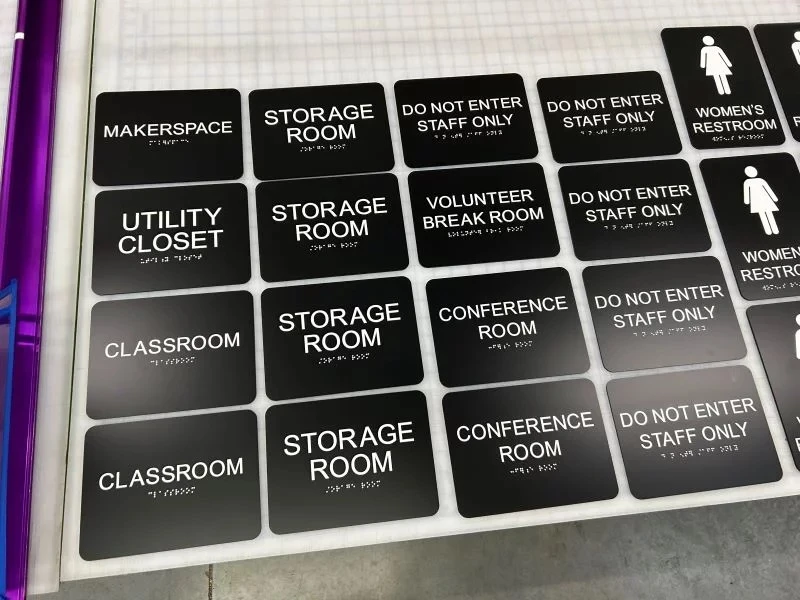

In today’s world, accessibility is more than just a legal requirement—it’s a reflection of inclusivity and professionalism. Businesses, organizations, and institutions must ensure that their spaces are accessible to everyone, regardless of ability. One of the most effective ways to achieve this is through the use of ADA-compliant directional signs. These signs are not only functional, guiding visitors smoothly through a facility, but they can also be customized to align with a brand’s aesthetics, enhancing the overall environment.
What Are ADA Directional Signs?
ADA directional signs are designed to meet the standards of the Americans with Disabilities Act (ADA). They provide clear, accessible guidance to help people navigate a space easily and independently. This includes signs for restrooms, exits, stairways, elevators, offices, and other important destinations. ADA compliance ensures that the signage is readable by everyone, including individuals who are visually impaired.
Some key features of ADA-compliant directional signs include:
- Tactile lettering: Raised text that can be felt by touch.
- Braille translation: Grade 2 Braille positioned correctly under text.
- High contrast colors: Ensures readability for those with low vision.
- Non-glare finishes: Prevents reflections that make signs hard to read.
- Consistent placement: Installed at specific heights and locations for easy access.
Why Customization Matters
While compliance is essential, customization allows businesses to integrate ADA directional signs into their interior design and branding. Gone are the days when accessibility signs had to be plain and unattractive. Modern sign manufacturers offer options that balance function with aesthetics.
Custom ADA directional signs can incorporate:
- Company logos and brand colors
- Unique shapes and materials such as brushed metal, acrylic, or wood
- Modern typography that still meets ADA standards
- Architectural finishes to complement the interior design
This approach ensures that the signs not only guide but also enhance the look and feel of the space.
Benefits of Custom ADA Directional Signs
- Improved Navigation: Visitors, employees, and clients can find their way around without confusion, reducing stress and enhancing their overall experience.
- Legal Compliance: Meeting ADA guidelines protects businesses from potential fines and lawsuits.
- Professional Image: Custom signage that blends seamlessly with your branding elevates your company’s image and demonstrates attention to detail.
- Inclusivity: ADA-compliant signs show that your business values accessibility and welcomes everyone.
- Long-Term Investment: Durable materials and professional design ensure longevity, reducing the need for frequent replacements.
Where Are ADA Directional Signs Needed?
Almost every public and commercial space requires ADA directional signage. Common placements include:
- Entrances and exits
- Restrooms
- Elevators and stairways
- Conference rooms and offices
- Parking areas
- Hallway intersections
- Emergency routes
By placing signs strategically, businesses can create a seamless wayfinding system that improves safety and accessibility.
Balancing Function and Style
The key to successful custom ADA directional signage is finding the right balance between function and style. Here are some considerations:
- Material Selection: Acrylic, aluminum, glass, or wood finishes can create a high-end look while staying ADA compliant.
- Color Contrast: Designers must ensure enough contrast between text and background for readability while still reflecting brand colors.
- Typography Choices: Fonts should be simple and legible. Sans-serif fonts are typically preferred for ADA compliance.
- Placement Consistency: Even with custom designs, signs must be installed according to ADA height and positioning guidelines.
By collaborating with an experienced sign company, businesses can ensure compliance without sacrificing aesthetics.
How to Get Started with Custom ADA Directional Signs
- Consult a Professional Sign Company: Work with experts who understand both ADA requirements and design trends.
- Assess Your Space: Conduct a walk-through to identify areas that need signage for navigation and compliance.
- Define Your Branding Needs: Decide on colors, logos, and finishes that align with your brand identity.
- Review Prototypes: Ask for mockups to see how the final product will look in your environment.
- Install Professionally: Ensure signs are placed according to ADA regulations for maximum accessibility.
Final Thoughts
Custom ADA directional signs are more than just a regulatory necessity—they are an opportunity to create an inclusive, professional, and visually appealing environment. By investing in signage that balances function and aesthetics, businesses can provide better experiences for all visitors while reinforcing their brand identity.
Incorporating custom ADA directional signs demonstrates commitment to accessibility, compliance, and design excellence. Whether you run a corporate office, healthcare facility, school, or retail store, these signs play a vital role in making spaces easier to navigate, welcoming, and aligned with modern design standards.


























Sign in to leave a comment.