

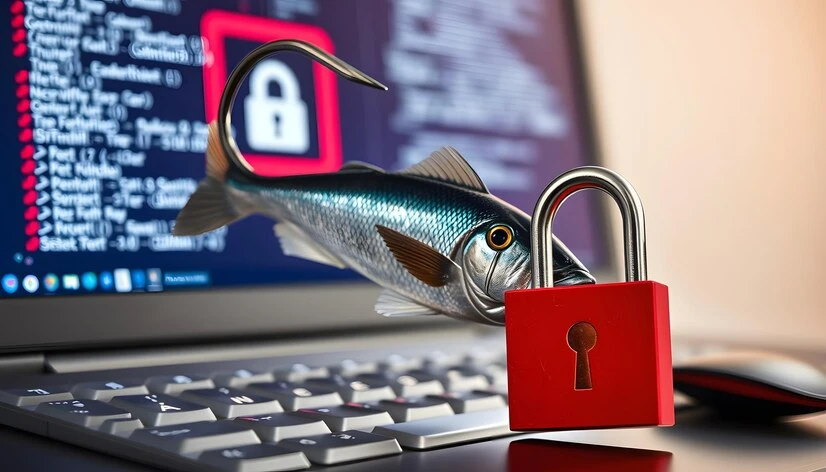
In today’s fast-paced digital landscape, cyber threats evolve rapidly, making it crucial to stay informed about emerging risks. Organizations and individuals alike must be proactive in protecting their data and systems from cyberattacks. This daily cybersecurity news report provides an overview of the latest threats, trends, and security alerts, helping you stay ahead of potential risks. One of the most common and dangerous threats remains the phishing attack, which continues to exploit human vulnerabilities.
The Latest Cybersecurity Trends
1. Rise in Phishing Attacks
Phishing attacks remain a top cybersecurity threat, with hackers using sophisticated techniques to trick users into revealing sensitive information. These attacks typically involve deceptive emails, fake websites, and social engineering tactics. Recent reports indicate:
- Increase in Spear Phishing: Hackers now target specific individuals within organizations using personalized messages.
- Credential Harvesting: Cybercriminals focus on stealing login credentials for financial and corporate accounts.
- AI-Powered Phishing Scams: Attackers use artificial intelligence to craft more convincing messages.
2. Ransomware Evolution
Ransomware attacks continue to evolve, affecting businesses, healthcare organizations, and even government institutions. Key developments include:
- Double Extortion: Attackers not only encrypt data but also threaten to leak it unless a ransom is paid.
- Targeting Cloud Environments: With increased cloud adoption, hackers exploit vulnerabilities in cloud storage and applications.
- Ransomware-as-a-Service (RaaS): Cybercriminals sell ransomware kits, making it easier for anyone to launch attacks.
3. Emerging Malware Threats
New malware variants are surfacing daily, each designed to exploit vulnerabilities in different systems. Some of the most dangerous malware trends include:
- Fileless Malware: Operates entirely in memory, making detection challenging.
- IoT-Based Attacks: Hackers exploit smart devices to infiltrate networks.
- Mobile Malware: Targeting smartphones through malicious apps and phishing SMS (smishing).
4. Cloud Security Challenges
As businesses increasingly rely on cloud solutions, security risks in cloud environments continue to grow. Common challenges include:
- Misconfigured Cloud Storage: Exposing sensitive data due to improper security settings.
- API Exploits: Cybercriminals target insecure APIs to gain unauthorized access.
- Insider Threats: Employees or third-party vendors accidentally or intentionally compromise cloud security.
Cybersecurity Alerts & Threat Reports
1. Ongoing Phishing Campaigns
Recent cybersecurity news highlights a surge in phishing campaigns targeting businesses and government agencies. Notable incidents include:
- Fake Microsoft 365 Alerts: Users receive emails urging them to update security settings, leading to credential theft.
- Banking Scams: Fraudulent emails and text messages impersonate banks, tricking customers into revealing account details.
- Social Media Impersonation: Attackers create fake profiles to target employees and extract sensitive data.
2. Recent Data Breaches
Data breaches have become increasingly common, exposing millions of personal and corporate records. Some high-profile breaches reported in daily cybersecurity news include:
- Major Retail Chain Breach: Exposed customer payment information due to outdated security protocols.
- Healthcare Database Leak: Millions of patient records compromised after an unpatched vulnerability was exploited.
- Social Media Platform Hack: User accounts hijacked through phishing and credential stuffing.
3. Zero-Day Vulnerabilities
Zero-day vulnerabilities are software flaws unknown to vendors, leaving systems exposed to attacks. Recent reports include:
- Windows Exploit: A newly discovered flaw allows hackers to execute remote code on affected systems.
- Web Browser Vulnerability: Attackers use malicious websites to exploit security gaps in popular browsers.
- IoT Security Flaws: Smart home devices found to be vulnerable to unauthorized access.
How to Stay Protected?
1. Strengthen Email Security
Since phishing attacks are one of the most common cyber threats, implementing strong email security practices is essential:
- Use Multi-Factor Authentication (MFA): Adds an extra layer of protection to email accounts.
- Enable Advanced Spam Filters: Blocks suspicious emails before they reach your inbox.
- Verify Links & Attachments: Avoid clicking on links or downloading files from unknown senders.
2. Regular Software Updates
Keeping your software and systems up to date is crucial for preventing cyberattacks:
- Install Security Patches: Fixes known vulnerabilities that hackers could exploit.
- Update Antivirus Software: Ensures protection against the latest malware threats.
- Enable Automatic Updates: Reduces the risk of missing critical patches.
3. Secure Cloud Environments
To mitigate cloud security risks, organizations should:
- Implement Strong Access Controls: Restrict access to sensitive data based on user roles.
- Encrypt Data: Protects information from unauthorized access, both in transit and at rest.
- Monitor Cloud Activity: Detects suspicious behavior and potential breaches.
4. Educate Employees on Cybersecurity
Human error remains a leading cause of security breaches. Providing cybersecurity training can help prevent attacks:
- Conduct Phishing Simulations: Teaches employees how to recognize and respond to phishing attempts.
- Encourage Strong Passwords: Use password managers and avoid reusing credentials.
- Raise Awareness on Social Engineering: Helps employees identify manipulative tactics used by hackers.
Conclusion
Staying ahead of cybersecurity threats requires constant vigilance and proactive measures. By keeping up with daily cybersecurity news, understanding evolving threats like phishing attack, and implementing best practices, individuals and organizations can significantly reduce their risk of cyber incidents. Cybersecurity is an ongoing battle, and awareness is the first step toward protection.
For more updates on the latest cyber threats, trends, and alerts, stay tuned to our daily threat reports and security news roundups!




























Sign in to leave a comment.