
Introduction
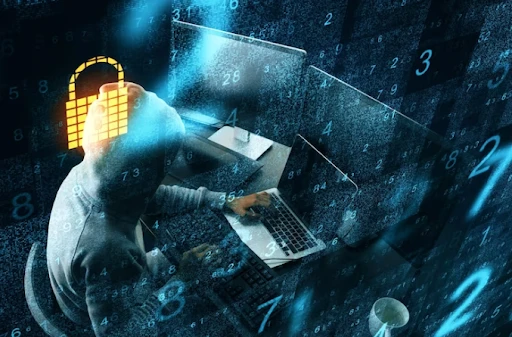
Ransomware attacks continue to be one of the biggest threats in the cybersecurity landscape. Organizations worldwide are struggling to defend themselves against increasingly sophisticated ransomware groups that demand hefty ransoms in exchange for decryption keys. In this ransomware attack news roundup, we highlight the latest incidents, responses, and preventive measures you should know to stay ahead of cybercriminals.
Major Ransomware Attacks in Recent Months
1. The MOVEit Breach: Mass Data Exposure
One of the most significant cyberattacks in 2024 involved the exploitation of a vulnerability in the MOVEit Transfer software. This attack affected multiple organizations, including financial institutions, government agencies, and educational institutions.
- Who was affected? Major enterprises, universities, and public-sector entities.
- How did it happen? Cybercriminals exploited a zero-day vulnerability to gain unauthorized access to sensitive data.
- Impact: Millions of records were compromised, leading to significant financial and reputational damage.
- Response: Organizations patched the software while cybersecurity experts worked to mitigate further damage. Authorities continue to investigate the extent of the breach.
2. Royal Ransomware Targets Healthcare Sector
The healthcare industry has become a prime target for ransomware attacks due to its reliance on critical data and outdated systems.
- Victims: Several hospitals and healthcare providers across the U.S.
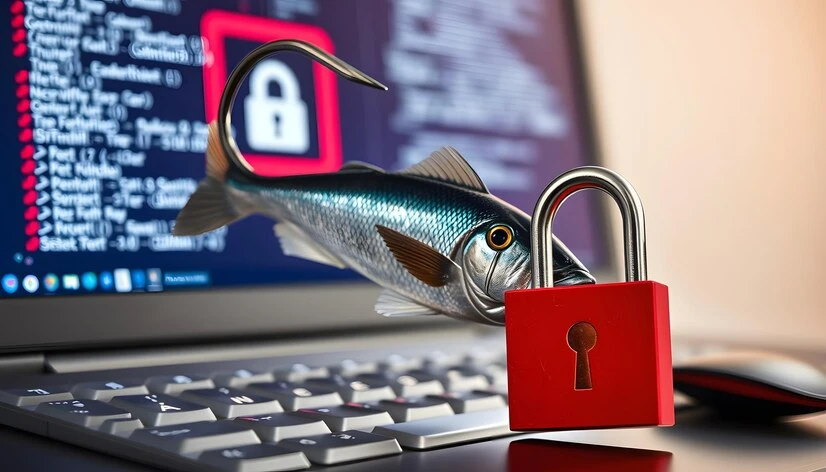
- Modus Operandi: Attackers infiltrated networks via phishing emails and exploited known software vulnerabilities.
- Consequence: Hospital operations were disrupted, patient records were encrypted, and some facilities had to divert emergency cases.
- Response: Affected institutions coordinated with cybersecurity firms to restore data and improve security measures. Federal agencies issued advisories to help healthcare organizations strengthen defenses.
3. Ransomware Hits Critical Infrastructure in Europe
Recent ransomware attack news reveals that European energy and transportation sectors have been targeted.
- Affected industries: Power plants, rail networks, and shipping companies.
- How the attack unfolded: Attackers deployed ransomware variants like LockBit and BlackCat to encrypt crucial operational data.
- Impact: Service disruptions, financial losses, and potential national security threats.
- Response: Government agencies increased cybersecurity today by issuing new security frameworks and encouraging threat intelligence sharing among affected organizations.
How Governments and Companies Are Responding?
1. Strengthening Cybersecurity Regulations
Governments worldwide have started implementing stricter regulations to prevent future ransomware attacks.
- U.S. Initiatives: The Cybersecurity and Infrastructure Security Agency (CISA) has introduced new guidelines to improve cybersecurity resilience.
- European Union: The Network and Information Security (NIS2) Directive aims to enforce higher security standards across member states.
- Asia-Pacific: Countries like Australia and Japan are ramping up their cybersecurity investments and introducing stricter penalties for cybercriminals.
2. Increased Collaboration Between Public and Private Sectors
Organizations are working more closely with law enforcement agencies and cybersecurity firms to counter ransomware threats.
- Joint Task Forces: Governments and private entities collaborate to investigate major cyber incidents and track down perpetrators.
- Information Sharing: Companies share threat intelligence to prevent similar attacks.
- Ransomware Negotiation Guidelines: Law enforcement agencies discourage ransom payments and provide guidance on alternative recovery strategies.
3. Adoption of Zero Trust Security Models
Many businesses are moving towards Zero Trust frameworks, which assume that threats exist both inside and outside the network.
- Multi-Factor Authentication (MFA): Ensures that only authorized users can access sensitive data.
- Micro-Segmentation: Limits movement within a network to reduce damage in case of a breach.
- Continuous Monitoring: Identifies and responds to threats in real-time.
Best Practices to Prevent Ransomware Attacks
1. Employee Training & Awareness
Most ransomware infections begin with human error. Organizations must invest in cybersecurity training to prevent phishing attacks and social engineering tactics.
- Conduct regular phishing simulations.
- Educate employees on identifying suspicious emails and links.
- Establish clear reporting mechanisms for potential security threats.
2. Regular Data Backups
Having up-to-date backups can minimize the impact of a ransomware attack.
- Use the 3-2-1 backup strategy (three copies of data, two different storage types, one offsite backup).
- Test backups frequently to ensure they are functional.
- Keep backups isolated from the main network.
3. Patch and Update Software Regularly
Outdated software is a common entry point for cybercriminals.
- Enable automatic updates for operating systems and critical applications.
- Apply security patches as soon as they are released.
- Regularly audit IT infrastructure for vulnerabilities.
4. Implement Advanced Threat Detection Tools
Using modern cybersecurity tools can help detect and stop ransomware before it causes damage.
- Deploy Endpoint Detection and Response (EDR) solutions.
- Use artificial intelligence (AI)-based threat detection systems.
- Monitor network activity for unusual patterns.
5. Develop a Ransomware Response Plan
A well-prepared incident response plan can reduce downtime and financial loss during an attack.
- Create a step-by-step ransomware recovery plan.
- Designate a cybersecurity team to handle incidents.
- Regularly test and update the response plan.
Conclusion
Ransomware attacks continue to evolve, targeting critical industries and organizations of all sizes. Keeping up with the latest ransomware attack news and understanding cybersecurity today is essential for mitigating risks. By implementing robust security measures, staying informed, and fostering collaboration between industries and governments, businesses can enhance their defenses against ransomware threats.






















Sign in to leave a comment.