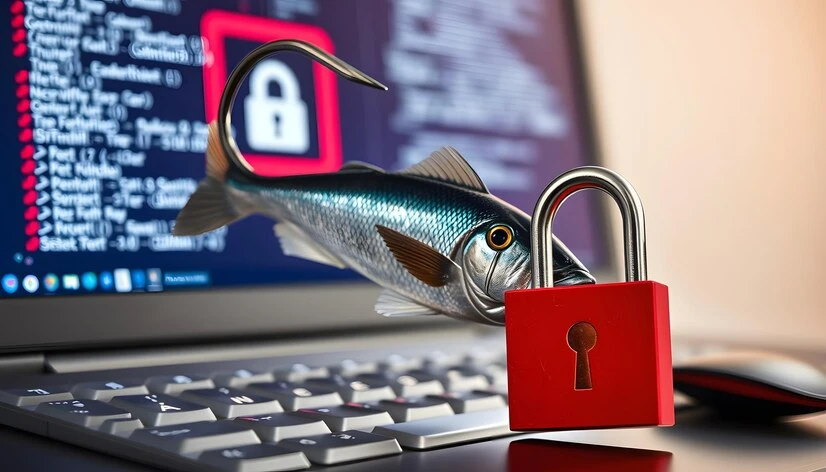

Phishing schemes are more sophisticated than ever, targeting individuals, businesses, and even government entities with alarming success rates. If you're trying to stay ahead in cybersecurity today, being aware of the latest phishing news and tactics is crucial.
This blog will expose some of the most recent phishing schemes, explain how they work, and provide actionable strategies to protect yourself and your organization. From cleverly disguised emails to malicious fake websites, these tactics highlight the need for vigilance and advanced cybersecurity measures.
The Evolution of Phishing Attacks
Phishing, once synonymous with fraudulent emails, has significantly evolved to match the growing complexity of technology and user behaviors. Modern phishing attack news attackers are no longer relying solely on poorly written email scams. Instead, they’re employing multi-channel tactics, involving email, SMS (smishing), voice calls (vishing), and even social media platforms.
These schemes exploit trust, urgency, and human error, making them highly effective. According to the FBI’s Internet Crime Complaint Center (IC3), phishing was the most common internet crime in 2023, causing global losses exceeding $9 billion.
Understanding the types of phishing attacks can help thwart attempts before damage is done.
Email-based Phishing
Classic email phishing remains a prevalent threat, albeit with increasingly convincing tactics. Recent schemes have utilized AI-generated language to craft flawless messages that mimic legitimate communication. For instance, attackers send emails appearing to come from familiar institutions like banks, healthcare providers, or even your own employer.
A recent attack involved cloned emails mimicking PayPal. These messages alerted recipients of “suspicious activity” on their accounts, prompting them to click a link to secure their login credentials. The link, though realistic, redirected users to a fake site designed to steal passwords.
How to Protect Yourself:
- Always verify the sender's email address.
- Avoid clicking on links in unsolicited emails—navigate directly to the website instead.
- Enable multi-factor authentication (MFA) to protect login credentials.
Smishing and Vishing Tactics
SMS phishing (smishing) and voice phishing (vishing) are on the rise. Smishing attacks often involve fraudulent text messages claiming issues with your banking account or package delivery. Meanwhile, vishing schemes involve scam calls from attackers who pretend to be authority figures, such as tech support agents or government officials.
A widely reported smishing attack circulated in early 2024 involved fake Amazon delivery texts. These contained malicious links designed to harvest personal and payment information. Meanwhile, vishing fraudsters have ramped up their tactics by leveraging stolen data to gain the victim's trust during calls, making them more convincing.
How to Protect Yourself:
- Never share personal information over the phone if you receive an unsolicited call. Hang up and call the institution directly.
- Avoid clicking on links in text messages from unknown sources.
Spear Phishing and Business Email Compromise (BEC)
Spear phishing targets individuals or specific companies by tailoring messages using personal information. This type of phishing is particularly dangerous because it appears highly credible. Attackers often research their targets thoroughly and use insider language to gain trust.
Business Email Compromise (BEC) schemes can lead to immense financial losses. For example, in a 2023 case, fraudsters compromised the CEO’s email account of a mid-sized enterprise and successfully instructed the finance department to wire $500,000 to a fraudulent account.
How to Protect Your Organization:
- Conduct regular cybersecurity training for employees.
- Implement email authentication protocols like DMARC, SPF, and DKIM.
- Establish strict verification processes for wire transfers and sensitive requests.
Social Media Attacks
Social media phishing schemes exploit platforms like LinkedIn, Facebook, and Instagram. Attackers may masquerade as recruiters, businesses, or friends to extract information. A recent trend involves malicious links disguised as job offers or giveaways.
One scheme that gained traction involved phishing messages sent via LinkedIn, where attackers impersonated recruiters offering high-paying job roles. Victims were asked to click on fake job applications, leading to data theft.
How to Protect Yourself:
- Be cautious about accepting requests or clicking links from unknown profiles.
- Use privacy settings to limit the visibility of your personal information.
Why Do Companies Need Advanced Cybersecurity Solutions?
While individual awareness plays a critical role, businesses must adopt advanced cybersecurity measures to mitigate the growing threat of phishing. Here’s how organizations can fortify their defenses.
Implement AI-powered Email Security
Modern email protection tools utilize artificial intelligence to detect suspicious patterns, identify phishing links, and isolate potential threats. For example, tools like Cisco's Secure Email or Mimecast offer advanced phishing detection and response features.
Proactive Threat Monitoring
Cybersecurity solutions leveraging machine learning continuously monitor network activities, flagging abnormal behaviors that could indicate an attack. Well-regarded platforms like CrowdStrike and Palo Alto Networks provide companies with advanced tools to analyze phishing schemes in real-time.
Employee Cybersecurity Training
Human error remains the leading cause of successful phishing attacks. Conduct regular training sessions on topics like identifying phishing emails, securing accounts, and incident reporting. Gamified phishing simulations can also help employees learn to recognize and respond to phishing attempts effectively.
Enable Multi-factor Authentication
Mandating MFA across all user accounts adds an invaluable layer of protection. Even if attackers procure login credentials, MFA ensures an added barrier, making unauthorized access much harder.
Why Phishing Awareness Matters More Than Ever?
The latest phishing news underscores one important fact—attackers will constantly innovate. Phishing scams are becoming harder to spot, forcing individuals and businesses to increase vigilance and adopt better safeguards.
By understanding the evolving nature of these schemes and leveraging robust cybersecurity alerts tools, you can minimize risks and protect against potentially devastating losses.
Safeguard Your Organization
Phishing attacks show no signs of slowing down, but vigilance and proactive measures can drastically reduce their impact. Stay ahead by implementing top-tier cybersecurity solutions, conducting regular training, and keeping employees informed about the latest phishing tactics.

























Sign in to leave a comment.