

A sophisticated phishing attack has successfully infiltrated over 100 email accounts belonging to embassy staff and diplomatic personnel worldwide. Security researchers have traced this cyber assault to Iranian state-sponsored hackers, marking another escalation in nation-state cybercrime targeting critical government infrastructure.
The breach highlights a disturbing trend where diplomatic missions have become prime targets for foreign intelligence operations. Unlike traditional espionage methods, these digital intrusions offer attackers unprecedented access to sensitive communications, classified documents, and strategic intelligence without the risks associated with physical infiltration.
This incident serves as a stark reminder that even the most secure government institutions remain vulnerable to well-crafted social engineering attacks. The implications extend far beyond individual privacy concerns, potentially compromising national security interests and international diplomatic relations.
The Anatomy of the Embassy Phishing Attack
The Iranian hackers employed a multi-layered approach that combined technical sophistication with psychological manipulation. Initial investigations reveal the attackers spent months researching their targets, gathering publicly available information from social media profiles, embassy websites, and professional networking platforms.
Their primary weapon was convincingly crafted phishing attack emails that appeared to originate from trusted sources within the diplomatic community. These messages often referenced current geopolitical events, upcoming conferences, or administrative updates that would naturally concern embassy personnel.
The malicious emails contained either infected attachments disguised as official documents or links to credential-harvesting websites that perfectly mimicked legitimate login portals. Once victims entered their credentials, hackers gained immediate access to their email accounts and began lateral movement through connected systems.
Security experts note the attackers demonstrated patience and operational discipline, often waiting weeks before accessing compromised accounts to avoid triggering security alerts. This deliberate approach allowed them to maintain persistent access while gathering intelligence over extended periods.
Beyond Email: The Scope of Diplomatic Cyber Threats
Embassy networks present particularly attractive targets because they serve as communication hubs between host countries and their home governments. A successful breach can provide access to classified diplomatic cables, trade negotiations, defense agreements, and sensitive political intelligence.
The interconnected nature of diplomatic communications means a single compromised account can potentially expose correspondence with multiple government agencies, foreign ministries, and international organizations. Hackers can monitor ongoing negotiations, identify key decision-makers, and potentially influence diplomatic outcomes through strategic information leaks.
Modern embassy operations rely heavily on cloud-based services and mobile devices, expanding the attack surface beyond traditional network perimeters. Staff members frequently access official systems from personal devices, coffee shops, and hotel networks while traveling, creating additional vulnerability points that sophisticated attackers can exploit.
Intelligence agencies have documented cases where compromised diplomatic communications have been used to predict government policy changes, anticipate trade decisions, and gain competitive advantages in international negotiations.
The Iranian Connection: State-Sponsored Cyber Warfare
Attribution analysis points to known Iranian Advanced Persistent Threat (APT) groups that have previously targeted government institutions across North America, Europe, and the Middle East. These groups operate with apparent state backing and demonstrate capabilities typically associated with well-resourced intelligence organizations.
Iranian cyber operations have evolved significantly over the past decade, moving from destructive attacks against critical infrastructure to sophisticated intelligence gathering campaigns. The embassy breach represents a strategic shift toward long-term espionage operations rather than immediate disruption.
The timing of this attack coincides with ongoing international tensions and sanctions negotiations, suggesting the compromised intelligence may be intended to support diplomatic and economic decision-making within Iranian government circles.
Previous Iranian cyber campaigns have targeted think tanks, academic institutions, and defense contractors, indicating a comprehensive approach to intelligence collection that extends well beyond traditional government targets.
Implementing a Comprehensive Cyber Security Review
Organizations must recognize that phishing attacks represent the initial vector for most successful cyber intrusions. A thorough cyber security review should begin with comprehensive email security assessments, including analysis of current filtering technologies, user education programs, and incident response procedures.
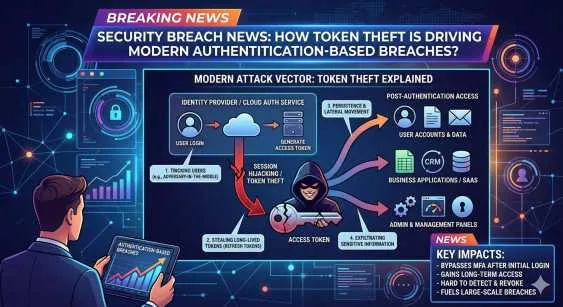
Multi-factor authentication deployment across all systems represents a critical defensive measure that can prevent account compromise even when credentials are stolen. However, implementation must extend beyond basic SMS-based verification to include hardware tokens or mobile authenticator applications that resist sophisticated bypass techniques.
Network segmentation and zero-trust architecture principles can limit the damage from successful intrusions by preventing lateral movement between systems. This approach treats every access request as potentially suspicious, regardless of whether it originates from inside or outside the network perimeter.
Regular penetration testing and red team exercises help identify vulnerabilities before malicious actors can exploit them. These assessments should specifically include social engineering components that test employee responses to phishing attempts and other manipulation tactics.
Building Resilient Diplomatic Cyber Defenses
The embassy breach underscores the urgent need for enhanced cybersecurity today measures across diplomatic missions worldwide. Traditional perimeter-based security models prove inadequate against determined nation-state actors who combine technical expertise with deep understanding of target organizations.
Advanced threat detection systems can identify suspicious activities that might indicate ongoing intrusions, even when initial compromise attempts succeed. These systems analyze user behavior patterns, network traffic anomalies, and file access requests to identify potential security incidents.
International cooperation becomes essential when addressing state-sponsored cyber threats that cross multiple jurisdictions and target numerous countries simultaneously. Information sharing between friendly nations can help identify attack patterns, attribute malicious activities, and develop coordinated defensive responses.
Strengthening Digital Diplomacy Security
This embassy breach serves as a critical wake-up call for diplomatic institutions worldwide. The intersection of international relations and cybersecurity demands immediate attention from policymakers, security professionals, and diplomatic leadership.
Organizations must move beyond reactive security measures toward proactive threat hunting and comprehensive risk management programs. Regular cyber security reviews should become standard practice, not emergency responses to successful attacks.
The cost of prevention remains far lower than the potential consequences of compromised diplomatic communications. National security interests depend on securing these digital channels that have become indispensable to modern international relations.





























Sign in to leave a comment.