In today’s fast-moving digital economy, raw data is everywhere. But transforming that data into structured, reliable insights is what sets the leaders apart. With Data Extraction Services and custom Data Extraction Solutions, companies across industries are uncovering hidden patterns, optimizing operations, enhancing customer experience, and driving innovation. In this post, we’ll explore concrete examples of how various sectors use data extraction, plus the challenges each faces especially those tied to privacy, regulation, and domain-specific constraints.
What is Data Extraction and Why It Matters?
Data extraction refers to pulling specific information from unstructured or semi-structured sources (websites, documents, apps, APIs) and converting it into structured formats (CSV, JSON, databases) useful for analysis. Firms like Iconic Data Scrap specialize in providing custom Data Extraction Services, offering solutions for web scraping, mobile app scraping, real-time crawling, enterprise-level crawling, etc.
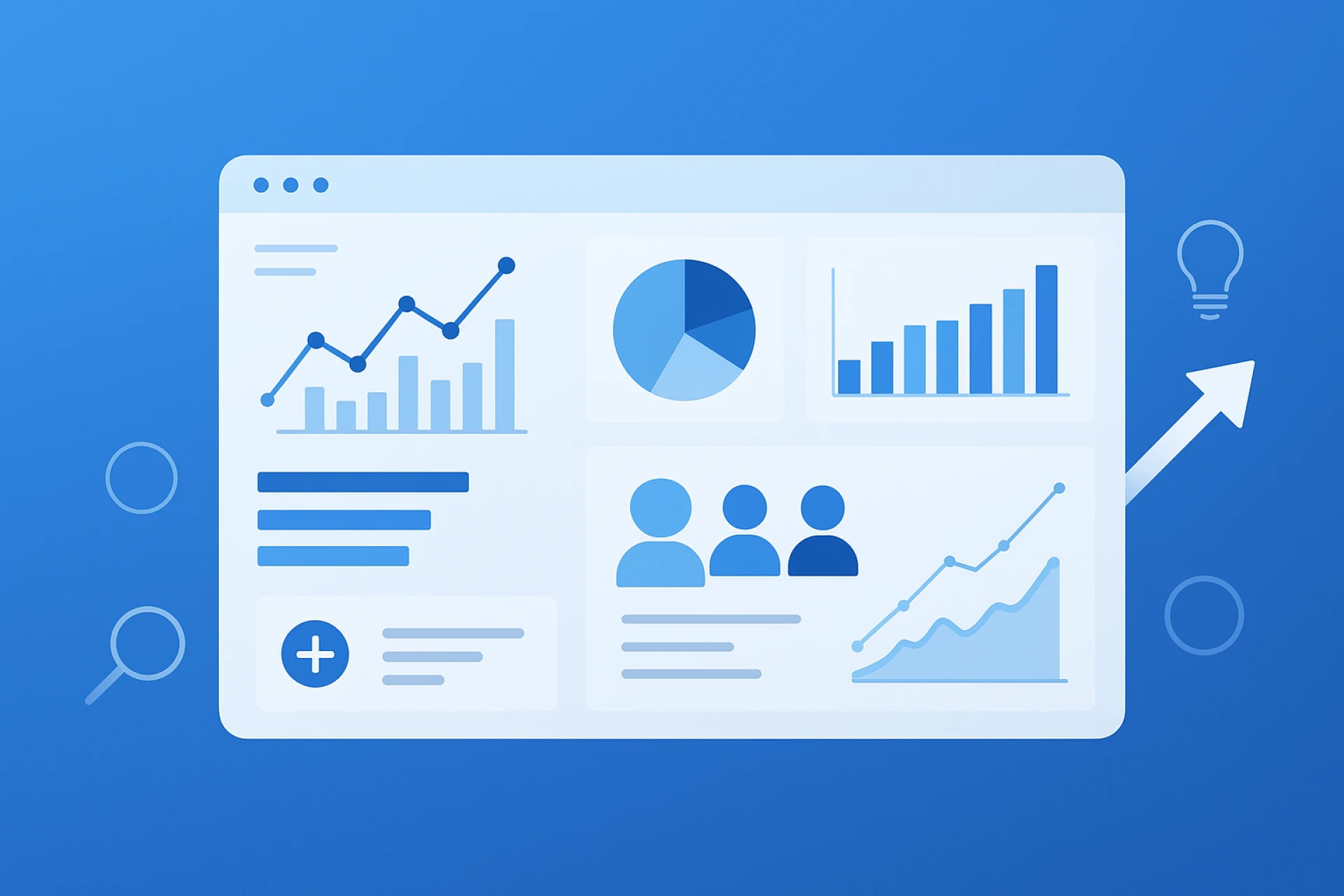
These Data Extraction Solutions make large datasets usable enabling downstream work such as price intelligence, market trend analysis, customer behaviour insights, predictive analytics, demand forecasting, and more.
Use Cases by Industry
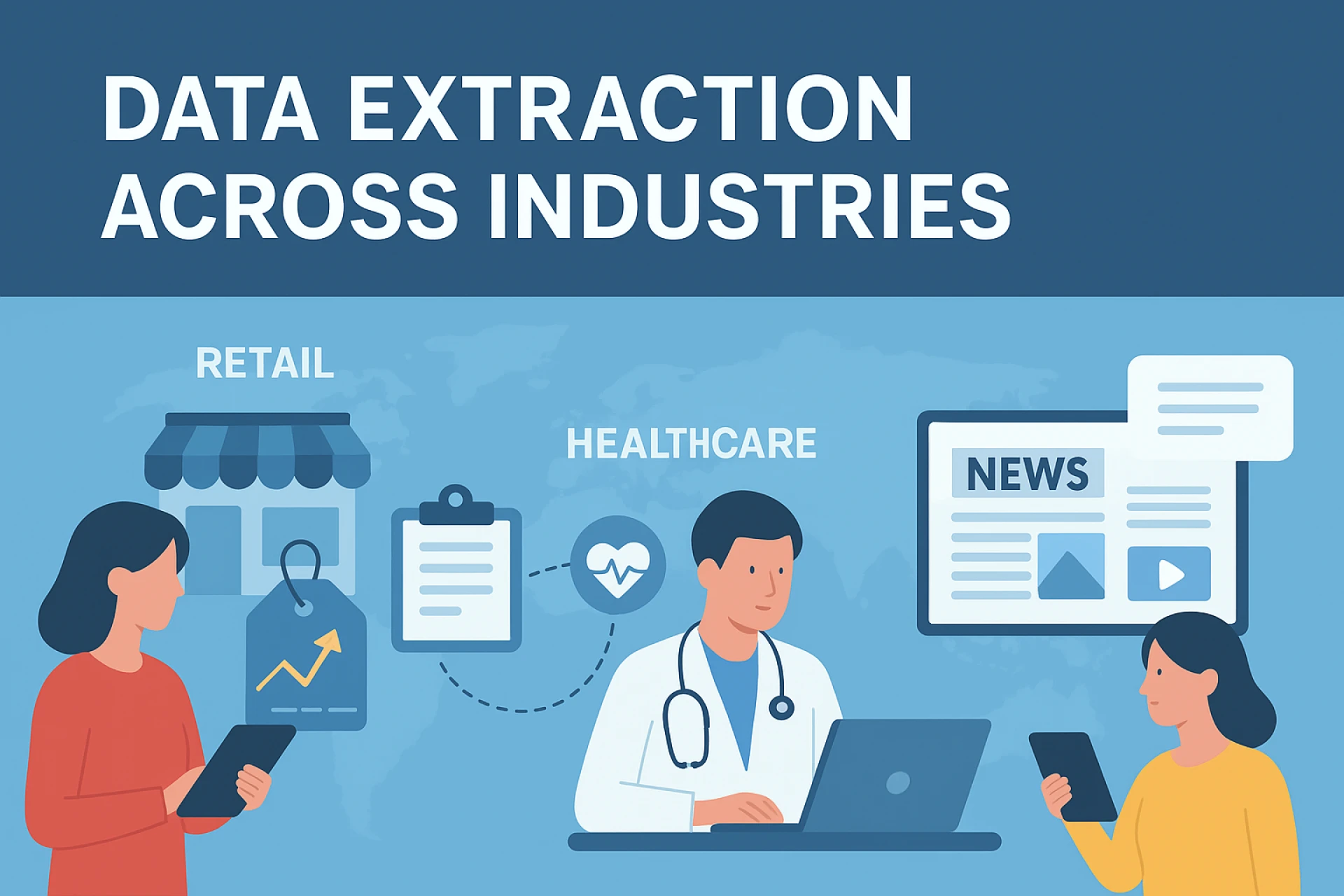
Let’s walk through some sectors and see how they leverage Data Extraction Services, including specific examples from real companies or plausible scenarios, drawing from what Iconic Data Scrap offers.
1. Retail & E-Commerce
What they extract / how it’s used:
- Price tracking & competitor pricing: Retailers use data extraction to monitor prices across competitors to adjust their own pricing strategy dynamically. Iconic Data Scrap’s Price Intelligence offering fits exactly here.
- Product catalog details: Extracting product titles, specifications, images, availability, reviews helps retailers enrich their own catalogs and improve customer experience.
- Inventory & stock insights: Knowing competitor stock levels, or historical availability data, helps with supply chain planning.
- Customer reviews and ratings: Extracting sentiment data from reviews to improve products or marketing messaging.
Benefits:
- Pricing strategies that react quickly to market changes.
- Better product assortment and merchandising.
- Improved inventory turnover.
- Enhanced user trust when product info and reviews are transparent.
Challenges:
- Dynamic content, rate limits, anti-scraping measures: Retail websites often use Javascript, dynamic loading, or have protections (CAPTCHAs, IP blocks) to inhibit scraping. Solving those requires technical infrastructure.
- Data currency / freshness: Because prices and stock can change minute by minute, real-time or frequently updated crawling may be needed, increasing cost.
- Volume and scale: For large retail operations, extracting thousands or millions of SKUs across many sources can strain systems.
2. Healthcare & Pharma
Healthcare is one sector where data can be especially valuable, but also especially sensitive.
Use cases:
- Clinical research data: Extracting data from published research articles, clinical trial registries, health-tech sites to monitor treatment outcomes, side effects, or new drug trials.
- Patient feedback & reviews: For hospitals or clinics, extracting patient reviews from public sources (surveys, review sites) helps with quality of care improvements.
- Health records & operational metrics: Internally, data extraction from structured and unstructured sources (medical records, imaging reports, administrative logs) helps with resource planning, diagnosis support, etc.
Iconic Data Scrap mentions serving the healthcare industry, helping organizations extract and analyze data from health records, clinical trials, patient feedback, and medical research.
Challenges unique to healthcare:
- Privacy and compliance: HIPAA (U.S.), GDPR (EU), other local laws impose strict rules on patient data. Any Data Extraction Solution here must ensure anonymization or de-identification, consent, legal clearance.
- Data heterogeneity: Medical records, research articles, imaging data, and patient feedback all come in very different formats. Extracting usable, standardised data is harder.
- Accuracy & verification risk: Errors can lead to serious consequences in patient care or regulatory reporting. Therefore, validation, error-checking, and high data quality are essential.
3. Media & Publishing
Media, content platforms, book publishers, etc., also benefit heavily from data extraction.
Use cases:
- Market & trend analysis: Tracking what topics are trending, what articles get more engagement, what content styles are popular. Extracting data from social media, news outlets, blogs.
- Audience sentiment / feedback: Scraping comments, reviews, forums to gauge public opinion about brands, content, or events.
- Competitor content monitoring: What content are competitors publishing? What formats, headlines, styles work best?
- Metadata extraction: Pulling data like author, date published, tags, keywords, image info, etc., from many media sources to build indexes, content dashboards, recommendations.
Challenges:
- Copyright and intellectual property: Media content may be protected; extracting full text vs summarizing or pulling metadata involves legal considerations.
- High velocity & volume: News and media produce content rapidly; real-time crawling or near real-time extraction is needed to stay relevant.
- Noise and redundancy: Extracted content often has duplication, syndicated content, or irrelevant items; filtering and deduplication are important.
4. Travel & Hospitality
Although less often thought of, data extraction plays a big role here.
Use cases:
- Price monitoring for flights, hotels, tours: Aggregators often extract pricing from many providers in near real-time to give best deals.
- User reviews & ratings: Extracting guest feedback on accommodation or services to improve offerings.
- Demand forecasting: Using extracted data from booking platforms, market trends, seasonality to predict peaks and adjust capacity.
- Competitor benchmarking: What amenities, pricing, policies competitors offer; what promotions are being run.
Iconic Data Scrap includes “Travel” among the industries it serves for this reason.
Challenges:
- Frequent rate limiting, anti-scraping of OTA (online travel agency) sites.
- Dealing with location, currency, language differences.
- Ensuring timeliness: prices and availability change frequently.
How Iconic Data Scrap Supports These Use Cases
Iconic Data Scrap offers a portfolio of Data Extraction Solutions tailored to different needs: web scraping, mobile app scraping, enterprise crawling, real-time crawling, etc. They also provide Data Extraction Services that emphasize structured output, high accuracy, and cleaning/validation of data.
They serve many industries: retail, mass retailer, automobile, e-commerce, tools & machines, manufacturing, health care, books & media, travel, and more. The process often involves:
- Identifying the data sources (websites, APIs, apps).
- Extracting via automated tools or custom scripts.
- Cleaning, deduplicating, structuring the data for analysis.
- Delivering in the required format (CSV, JSON, database etc.).
- Ensuring quality, compliance, and timeliness.
Common Challenges & How to Overcome Them
Data extraction offers immense value, but challenges persist across industries. Privacy and compliance issues in healthcare demand strict anonymization and adherence to laws like GDPR and HIPAA. Retail and travel platforms pose hurdles with anti-scraping measures, requiring proxy rotation and API use. Media and healthcare face heterogeneous data formats needing cleaning and normalization. Real-time industries like e-commerce require frequent updates, while accuracy and scalability remain critical, demanding robust infrastructure and validation systems.
Looking Forward: Trends in Data Extraction & Solutions
- Real-time & streaming extraction: Moving from batch to near‐instant updates to support dynamic pricing, live dashboards.
- More ethical / compliant extraction: Stronger focus on respecting privacy, rights, ensuring clean data, copyright compliance.
- Use of AI/ML in extraction and cleaning: For example, using ML to parse unstructured text, extract entities, detect sentiment, automatically clean data.
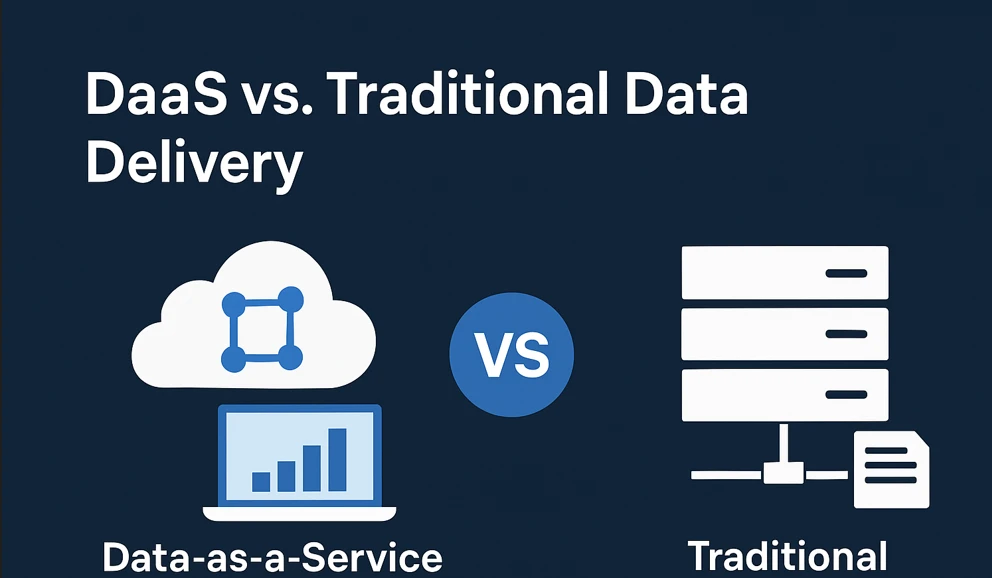
- Standardization and APIs: Many firms would prefer APIs or data as a service rather than scraping web pages directly. Iconic Data Scrap also offers Data as a Service and custom data warehouses.
Conclusion
Data Extraction Services and tailored Data Extraction Solutions have become essential enablers of growth across industries. Whether it’s retail tracking competitor prices, healthcare managing sensitive data, or media monitoring trends, structured and accurate data drives smarter decision-making. Each sector has its unique hurdles privacy, compliance, scale, or timeliness but with the right strategies, businesses can overcome them and harness data as a strategic asset. Partnering with experts like Iconic Data Scrap ensures not only reliable extraction but also transformation of raw information into actionable intelligence.



























Sign in to leave a comment.