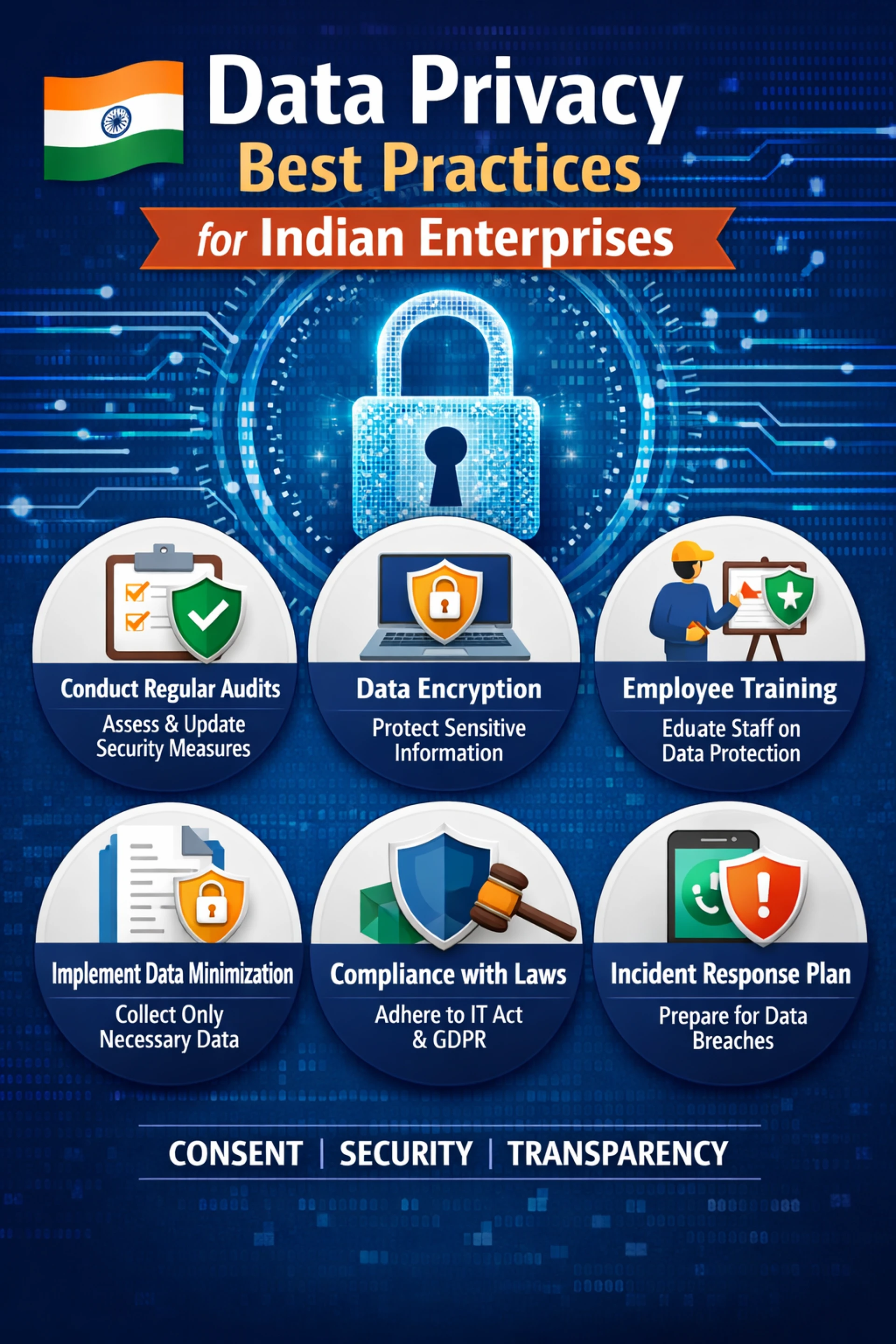

The growth in digital transformation efforts among Indian businesses has increased vulnerability to hacks, breaches of privacy laws, regulatory compliance failures, and the potential for financial loss. In response, Indian companies are under growing pressure from the government to adopt a more formalised approach to managing their data privacy.
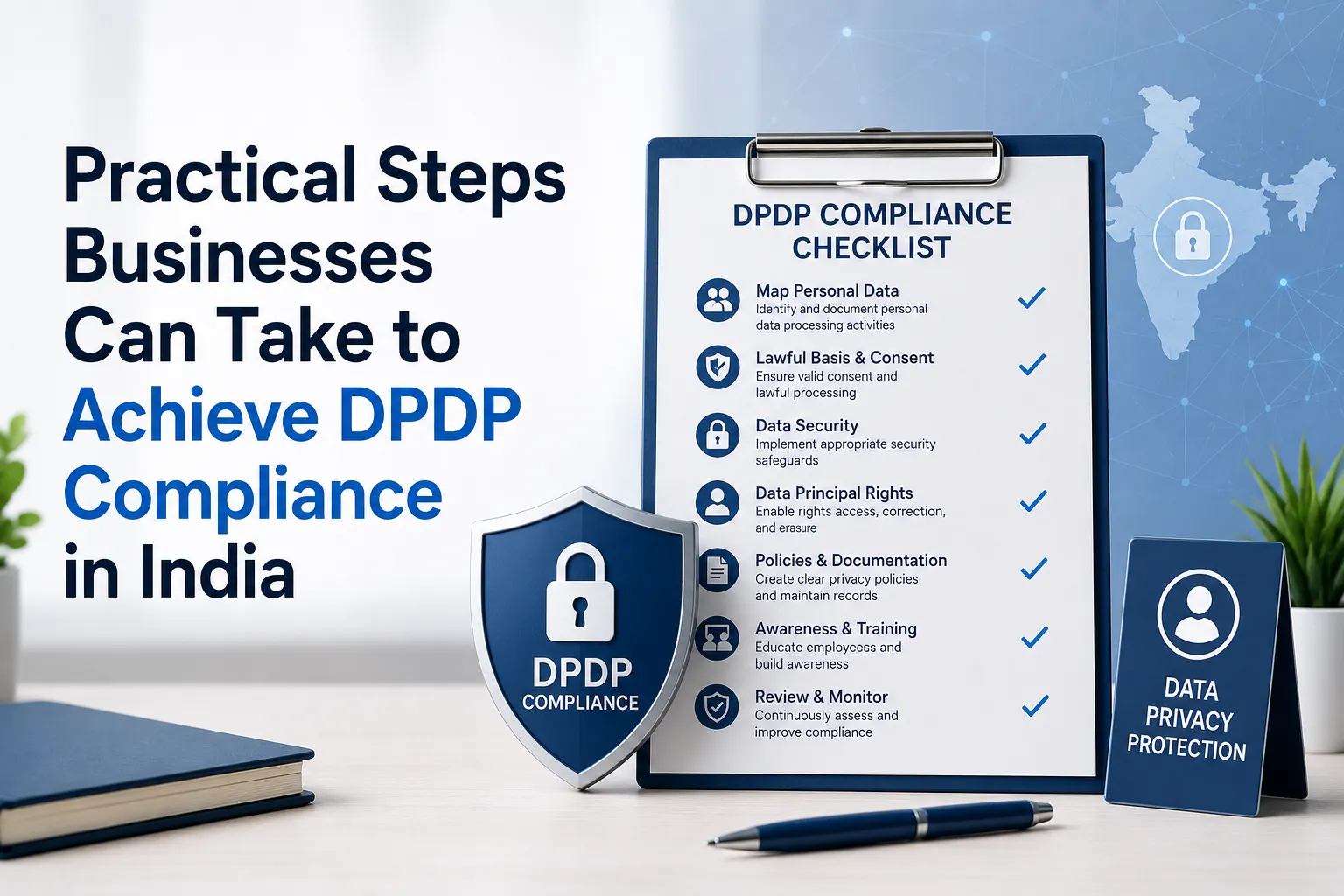
There is now an obligation for every business in India to comply with the principles set out in the DPDP Act to enhance data privacy, improve accountability, and limit risk. Following industry best practices for managing data privacy will allow businesses to protect sensitive data while maintaining their customers' trust and strengthening their relationships with regulators and partners.
Common Data Privacy Gaps in Indian Enterprises
Despite their best efforts, most organisations struggle to integrate their digital platforms because many continue to maintain disparate processes and poorly defined controls within their digital environments. Major gaps of concern primarily occur due to:
- Sensitive Data Dispersed Across Multiple Endpoints, Public Cloud Platforms, And Legacy Systems.
- Limited Continuous Monitoring Of Who Accessed What.
- High Employee Unawareness And Poor Identity Hygiene.
- No Unified Framework To Enforce Retention, Classification, And Encryption Policy.
- Reactive Compliance Only Triggered When Audit Occurs.
The above gaps present an opportunity for cybercriminals and non-compliance liability.
Data Privacy Best Practices Every Enterprise Must Implement
To have a robust privacy posture, you must take a holistic, security-first approach:
- Map your sensitive data across endpoints, networks, and cloud workloads.
- Use Zero Trust principles to verify users, devices, and applications before providing access.
- Use strong identity and access control measures (e.g., multifactor authentication and role-based access).
- Classify and encrypt your data when at rest, in use, and in transit.
- Use centralised data privacy management tools to automate policy enforcement throughout your organisation.
- Continuously strengthen employee awareness through regular training and simulated threat exercises.
- Use AI-based monitoring to detect anomalies and prevent real-time data exfiltration.
Continuous Compliance: The Key to Long-Term Resilience
Privacy is an ongoing project for enterprises. They need to perform regular risk assessments to assess the risk of losing sensitive data; monitor data flows (i.e., where data travels and how it is used); and align their data privacy practices with changing regulations (i.e., complying with current data protection legislation). Solutions like Seqrite Data Privacy, Endpoint Protection, and XDR provide enterprises with a single view of all data, automated compliance controls, and actionable intelligence to help protect personal data throughout the calendar year.
To strengthen your data privacy with enterprise-level protection, explore Seqrite’s integrated security solutions to protect your data, identities, and cloud environments.





























Sign in to leave a comment.