


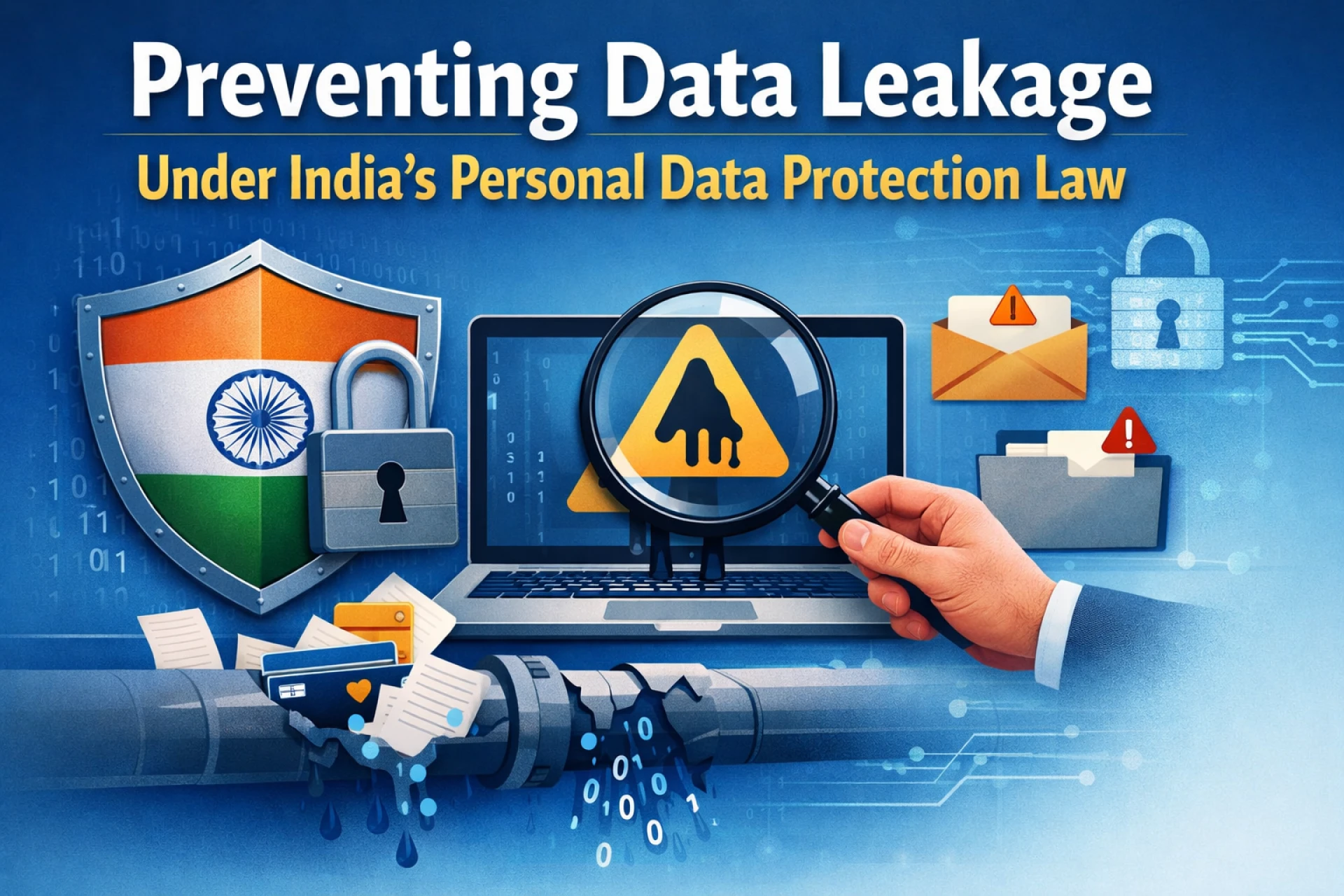
The Digital Personal Data Protection (DPDP) Regulations in India are critical for companies preparing to comply, as they will be fully implemented by 2026. To meet the demands of companies that collect, process, and share people's personal information in the digital world, DPDP compliance is a must.
Why Enterprises Need to Comply with the DPDP Early
When you comply with the DPDP Act, you reduce your risk of being fined and suffering reputational damage as a result of not complying with the DPDP Act. You also build trust among your customers, partners, and stakeholders, and provide continuous operational support to your enterprise.
The longer you delay compliance with the DPDP Act, the greater the legal and technical risks you impose on your customers, partners, and/or stakeholders. This is particularly true for enterprises with cross-border data flows that operate in both India and the US.
Step‑by‑Step Readiness Plan
1. Map your data flows
Identify your enterprise's systems, workflows and third-party integrations that process personal data.
2. Classify your data
Assign each piece of personal data a sensitivity label and a retention policy in accordance with the DPDP business guide India.
3. Assess your technological controls
Evaluate your technological controls, including encryption, access controls, auditing and data minimisation.
4. Update your policies and consent frameworks
Update your privacy notices and consent mechanisms to provide your customers with transparency and control over their data.
5. Train your teams
Provide education and training to your IT, security and business teams on their obligations, breach reporting and the rights of data subjects.
6. Audit and validate your enterprise's data protection policies
Conduct an internal assessment of your enterprise's policies and procedures, as well as take any corrective action, before being externally reviewed by an organisation that will provide a compliance review.
Common Mistakes to Avoid
1. Not satisfying cross-border transfer requirements
2. Believing that documentation is a one-time activity and not something that your enterprise must regularly evaluate and/or update
3. Not building data privacy into your organisation's overall business processes and practices
DPDP Compliance Provides You With
1. A competitive edge over your competitors
2. Enhanced data governance, which will accelerate your digital transformation initiatives
3. A reduction in the number of cyber risk events, as a result of applying a disciplined framework around all of your data security controls
Final Checklist
- Data Inventory Complete
- Policies updated
- Technical Controls verified
- Employee Training Delivered
- Compliance documentation formalised
Conclusion
While many organisations see DPDP as merely a “checklist item” that will disappear by or before 2026, if organisations consider DPDP a "strategic enabler", they will flourish well into 2026 and beyond. The time to act is NOW! Act, adapt and create a strong compliance position. Contact Seqrite to help accelerate your DPDP Act compliance through security and governance Solutions.



























Sign in to leave a comment.