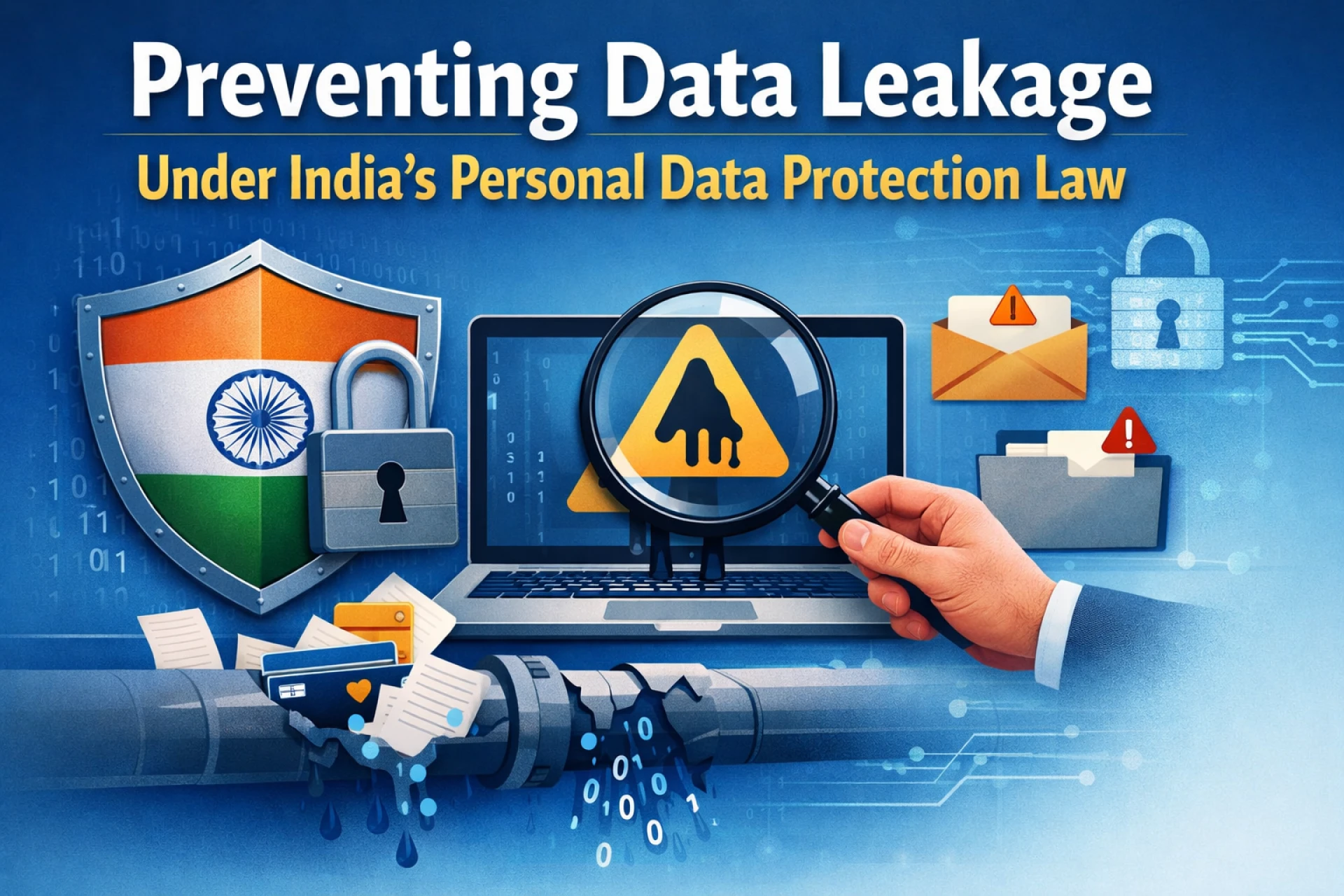
A new regulatory framework emphasises protecting personal data and information used in developing digital technology towards doing business in India. Organisations must think differently about how they manage their data to comply with laws and regulations; therefore, information must flow quickly between devices, cloud-based platforms and users.
Large enterprises can manage their risks and obligations by adopting a proactive, intelligence-based strategy to protect their customers' personal data in accordance with the requirements outlined in India's Personal Data Protection framework.
Which Types of Data Qualify as Personal Data?
The following types of information are generally regarded to be personal data:
- Name, address, and contact information
- Unique identifiers such as Aadhaar, PAN, and government-issued identification numbers
- Financial information, including account numbers and transaction histories
- Health-related information, including biometric data and digital behaviour data
- All employee database; your customer database; your vendor database; all maintained in your enterprise systems.
From now on, this information must be carefully managed, monitored for visibility, and controlled throughout its lifecycle.
What are the Most Common Ways Data is Leaked?
Organisations, no matter if they have a domestic or international presence, regularly encounter data leakage issues that stem from
- Misconfigured cloud environments and the use of "shadow IT"
- Unsecured endpoints (e.g. personal devices — BYOD)
- Phishing schemes that compromise credentials
- Insider incidents — intentional or unintentional
- Inadequate levels of access control and an abundance of permissions granted to users
- Failure to encrypt or monitor all data aggregations through which data flows
- Data leakage presents significant business risks.
Business Risks of Data Leakage
(i) Legal repercussions that may arise under the Indian Digital Personal Data Protection Act
(ii) Loss of trust by your customers due to the data leakage and possible long-term damage to your business’s brand
(iii) Affects on your business’ operations due to business interruption, operational downtime, and incident-response costs
(iv) Potential exposure of sensitive Intellectual Property (IP) or Financial Assets
(v) Regulatory investigations of cross-border data transfers due to data leakage.
Best Practices to Mitigate Data Leakage
Businesses can enhance protection against data leakage through the implementation of:
(i) Zero Trust access control for all users, devices, and applications
(ii) Data Classification and Data Loss Prevention (DLP) tools to identify and limit the movement of sensitive data
(iii) Artificial Intelligence (AI) enabled threat detection through Endpoint Detection and Response (EDR) or XDR (Extended Detection and Response), to help contain incidents faster
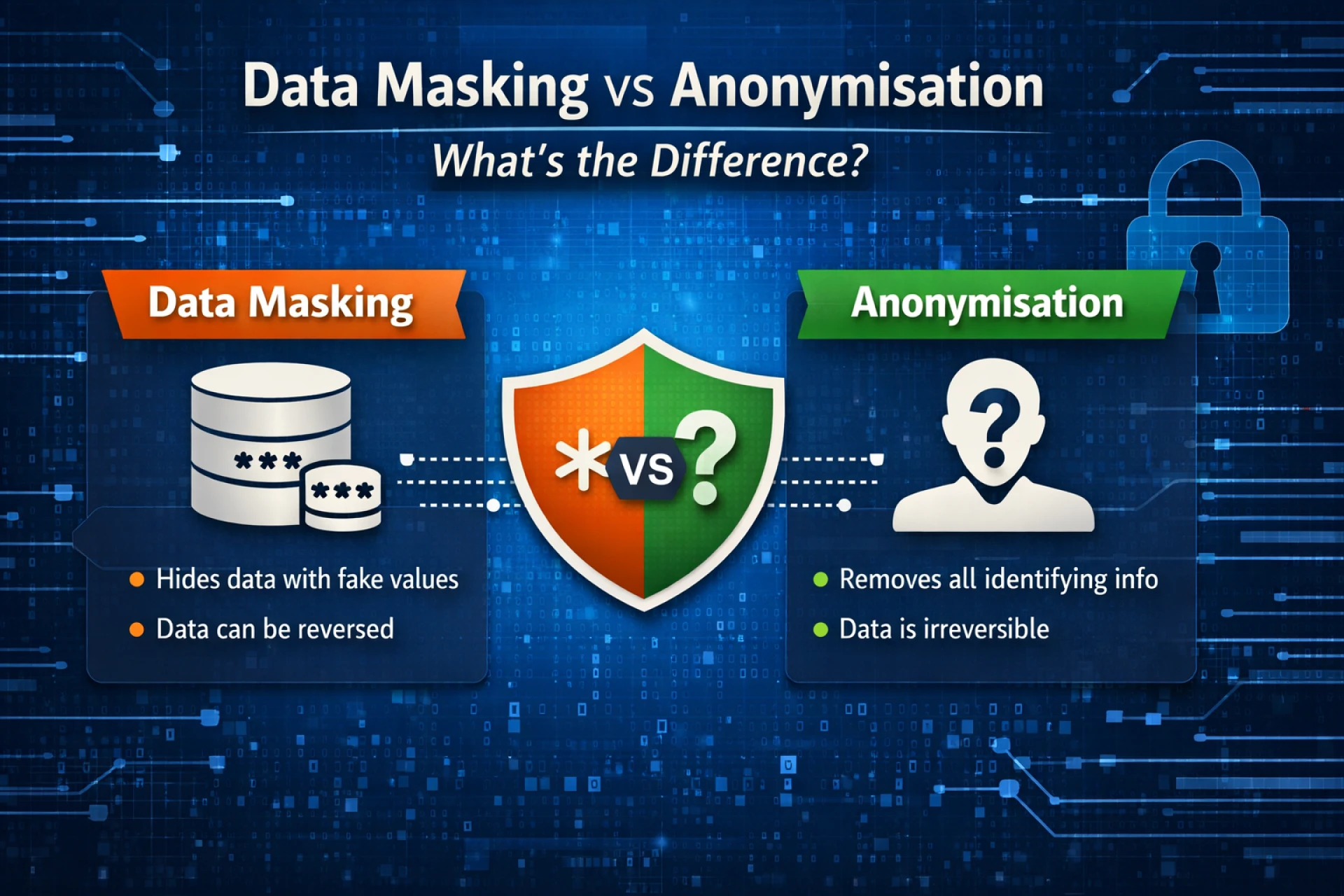
(iv) Encryption and data masking of all endpoints and networks, as well as cloud workloads
Final Thoughts
Implementing preventative measures to prevent data leakage is required by regulation and serves as a competitive differentiator. By implementing adequate data protection measures, businesses can limit their exposure to compliance risks and increase customer trust.
Seqrite helps you strengthen the protection of your personal data with industry-specific AI-based security offerings designed to meet the demands of India's ever-changing regulatory environment.



























Sign in to leave a comment.