
Introduction
In the modern digital environment, data is generated continuously through everyday activities. When people browse websites, watch videos online, shop through e-commerce platforms, or interact with mobile applications, each action produces information. Over time, these digital activities create enormous volumes of data that contain valuable insights about human behavior, market trends, and system performance.
However, raw data alone does not explain what is happening or why certain trends appear. To understand the meaning behind large datasets, the information must be analyzed using structured techniques and computational tools. The field that focuses on studying and interpreting such information is known as data science.
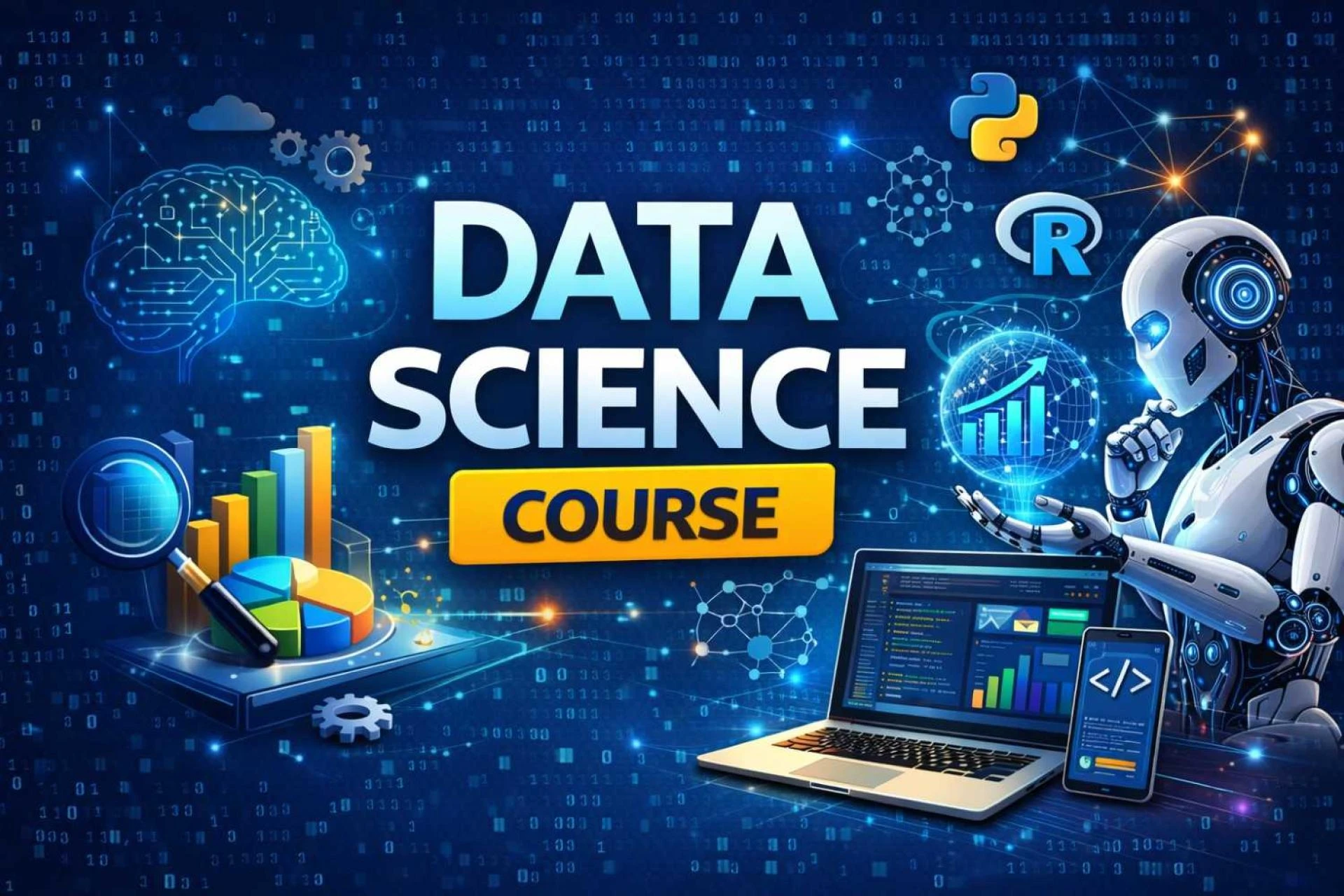
Data science has become an essential discipline because organizations rely on data-driven insights to guide decisions, improve services, and solve complex problems. Many learners begin exploring this field through a Data Science Course, which introduces the fundamental concepts, tools, and analytical methods used to work with data.
What Is Data Science?
Data science is the process of collecting, analyzing, and interpreting data to uncover patterns and insights. It combines several areas of knowledge, including statistics, mathematics, programming, and analytical thinking.
The primary objective of data science is to convert raw information into meaningful insights that can support decision-making.
Data scientists typically work with two types of data.
Structured Data
Structured data follows a specific format and is usually stored in tables or databases. Examples include financial transactions, customer records, and inventory data.
Unstructured Data
Unstructured data does not follow a predefined format. It may include text documents, images, videos, emails, or social media content.
Both types of data can reveal important insights when analyzed effectively.
Why Data Science Is Important
The rapid expansion of digital technologies has resulted in a dramatic increase in the amount of data generated globally. Organizations collect information from websites, mobile devices, connected systems, and automated processes.
Without proper analysis, this data would remain unused. Data science helps transform large datasets into insights that can guide business strategies and technological development.
Organizations use data science to:
- Understand customer behavior and preferences
- Predict future trends and market demand
- Improve operational efficiency
- Detect fraud or unusual activities
- Support scientific research and innovation
For example, online streaming platforms analyze viewing habits to recommend content, while financial institutions analyze transaction data to detect suspicious activity.
The Data Science Workflow
Data science projects typically follow a structured process that converts raw information into meaningful insights.
Data Collection
The process begins by gathering information from multiple sources such as databases, websites, sensors, or digital platforms.
Data Cleaning
Raw data may contain errors, duplicates, or missing values. Cleaning the dataset ensures that it is accurate and suitable for analysis.
Data Exploration
Analysts study the dataset using statistical methods and visualization tools to identify patterns and relationships.
Model Development
Predictive models are developed to analyze historical data and estimate possible future outcomes.
Communication of Insights
The results are presented using charts, dashboards, or reports so that stakeholders can easily understand the findings.
Tools Used in Data Science
Several technologies support data science and help analyze large datasets efficiently.
Python
Python is widely used because it provides powerful libraries for data analysis, machine learning, and automation.
R Programming
R is commonly used for statistical computing and advanced data visualization.
SQL
SQL allows analysts to retrieve and manage data stored in relational databases.
Data Visualization Tools
Platforms such as Tableau and Power BI help convert complex data insights into visual dashboards.
These tools enable data professionals to analyze information effectively and communicate results clearly.
Applications of Data Science
Data science is used across many industries because organizations rely on data-driven insights to improve services and decision-making.
Healthcare
Healthcare professionals analyze patient data to identify disease patterns and improve treatment methods.
Finance
Financial institutions analyze transaction records to detect fraud and assess financial risks.
Retail
Retail companies study purchasing patterns to understand customer preferences and manage inventory efficiently.
Transportation
Transportation systems analyze traffic and logistics data to optimize routes and improve efficiency.
Technology
Technology companies use data science to enhance recommendation systems and improve digital services.
These examples illustrate how data science contributes to solving real-world challenges.
Skills Developed Through Data Science Learning
Studying data science helps individuals develop several valuable skills.
Important skills include:
- Understanding statistics and probability
- Programming and data manipulation
- Data visualization and interpretation
- Machine learning fundamentals
- Analytical thinking and problem-solving
These abilities allow professionals to analyze complex datasets and extract meaningful insights.
Machine Learning in Data Science
Machine learning is closely related to data science and focuses on creating algorithms that learn from data. Instead of relying on predefined instructions, machine learning models analyze patterns within datasets and make predictions.
Examples of machine learning applications include:
- Email spam filtering
- Image recognition systems
- Product recommendation engines
- Forecasting demand in businesses
Machine learning expands the capabilities of data science by enabling automated analysis of large datasets.
Growing Demand for Data Science Knowledge
The demand for data science professionals has increased significantly as organizations rely more on data-driven strategies. Businesses collect large volumes of information and require skilled individuals who can analyze and interpret that data effectively.
People with knowledge of data science can help organizations identify patterns, solve complex problems, and improve decision-making processes.
Because of this demand, data science has become a widely recognized field in modern technology.
Why Learning Data Science Matters
Learning data science helps individuals understand how information is collected, analyzed, and used to guide decisions in modern organizations. It also encourages analytical thinking and helps people identify patterns within large datasets.
Even outside professional environments, understanding data science helps individuals interpret statistics, reports, and research findings more accurately.
As digital technologies continue to evolve, knowledge of data science becomes increasingly valuable.
The Future of Data Science
The future of data science is closely connected to emerging technologies such as artificial intelligence, cloud computing, and the Internet of Things. These technologies generate enormous amounts of data that require advanced analysis.
Data science will continue to play a key role in transforming this information into insights that support innovation and strategic decision-making.
Organizations will increasingly rely on data-driven methods to improve services and develop new technologies.
Conclusion
Data science is a field dedicated to analyzing and interpreting data to uncover meaningful insights. By combining statistics, programming, and analytical thinking, data scientists transform raw information into valuable knowledge that supports better decision-making.
Learning the concepts introduced in a Data Science Course helps individuals understand how data is collected, analyzed, and applied in modern systems.
As the digital world continues to generate vast amounts of information, could learning data science help individuals better understand the patterns hidden within the data that shapes our rapidly evolving technological landscape?



























Sign in to leave a comment.