
Some days move smoothly, and others feel scattered before lunchtime. You might have good intentions, yet your plans seem to drift or lose shape as the day goes on. This blog looks at why that happens and how you can use simple planning habits to create a steadier daily rhythm.
Instead of long systems you won’t stick to, you’ll learn practical ways to shape your plans, so they match the way your mind works. By the end, you’ll have ideas that help your planner support you without adding pressure.
Effective Ways to Make Your Planner Work Harder for You
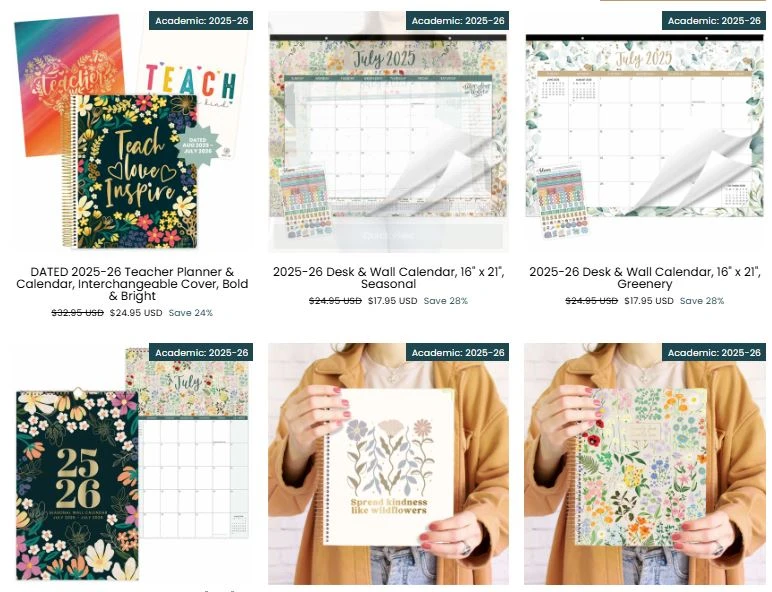
The moment you start using a day planner 2026, you give yourself a place to direct your attention instead of reacting to every new thing that pops up. The ideas below help you adjust your planning style, so your days feel smoother and less scattered.
Every section offers small shifts you can try right away, and each one aims to bring more clarity to your routine.
Start with a Daily Flow That Mirrors Your Real Life
A steady day begins with understanding how your energy moves. Most people have natural peaks and quieter periods, but they treat every hour the same. You don’t need a strict schedule to work with your rhythm, just awareness.
Think about when you feel alert, when you slow down, and when you tend to get distracted. Once you notice these patterns, place the right tasks in the right spots.
For example, if you’re sharper earlier in the day, use that window for focused work and save smaller tasks for the afternoon. If you come alive later, keep your morning light and stack important tasks during your stronger hours. Your planner becomes far more helpful when it reflects your actual pace instead of an ideal version of your day that never quite plays out.
Use Visual Cues to Make Your Planner Intuitive
Your brain responds quickly to visual structure, so simple cues help you scan your page without thinking too hard. Colors, symbols, or even a small margin note can guide your attention where it matters. You don’t need artistic spreads, just small touches that make information easier to spot.
Maybe you underline deadlines, circle appointments, or highlight your top task for the day. Little signals like these prevent you from rereading the whole page just to remember what matters. Over time, you’ll create a visual rhythm you understand instantly, and your planner stops feeling crowded or confusing.
Build a Planning Method You Can Maintain in Five Minutes
Many people skip planning because they think it takes too long. A short routine keeps things workable. Try setting aside a few minutes in the morning to look over yesterday, decide what carries forward, and choose the top things you want done today. Focus on a handful of key tasks so your page doesn’t overwhelm you.
A small moment of planning each morning helps you step into the day with direction. You also avoid stuffing your list with every task you could do. When you simplify your plans to what fits into your actual schedule, you set yourself up for a day that feels calm instead of rushed.
Turn Your Planner into a Home for Micro-Systems
Your planner can support more than your task list. It can hold small routines that lighten your mental load. These micro-systems take up only a little space but help you stay consistent. You might keep a short meal plan for the week, track a couple of daily habits, or jot down a quick night reflection about what worked and what didn’t.
These tiny practices replace scattered thoughts with small, repeatable notes. You won’t need separate apps or pads for every part of your life. Instead, your planner becomes a steady place where your routines live. Over time, these simple systems help you feel more grounded because you don’t need to keep everything in your head.
Connect Long-Term Vision to Daily Action
A clear direction helps your daily plans make sense. Your monthly or weekly pages give you space to look ahead without feeling pressured by the details. Use these sections to break down bigger goals into pieces that fit your everyday plans. This way, your long-term ideas don’t float around without progress.
If you’re working on something large like a project at work, a home update, or a personal goal, pull out one or two small steps and spread them across your week. When you place these steps in your daily view, they feel manageable. This approach keeps you moving steadily instead of waiting for a perfect moment to start.
Connecting the big picture to your daily page gives your routine meaning. You’re not just checking off tasks; you’re moving toward something that matters.
Conclusion
Planning tools shift every year, and the way you use your day planner 2026 can shift with you. You might discover new habits, drop old ones, or create a rhythm that feels natural for the first time.
A thoughtful approach to planning doesn’t need to be elaborate. It only needs to support the way you think and live. As you try different ideas, you may find that each day becomes less about controlling your time and more about shaping it in a way that feels steady and genuinely yours.































Sign in to leave a comment.