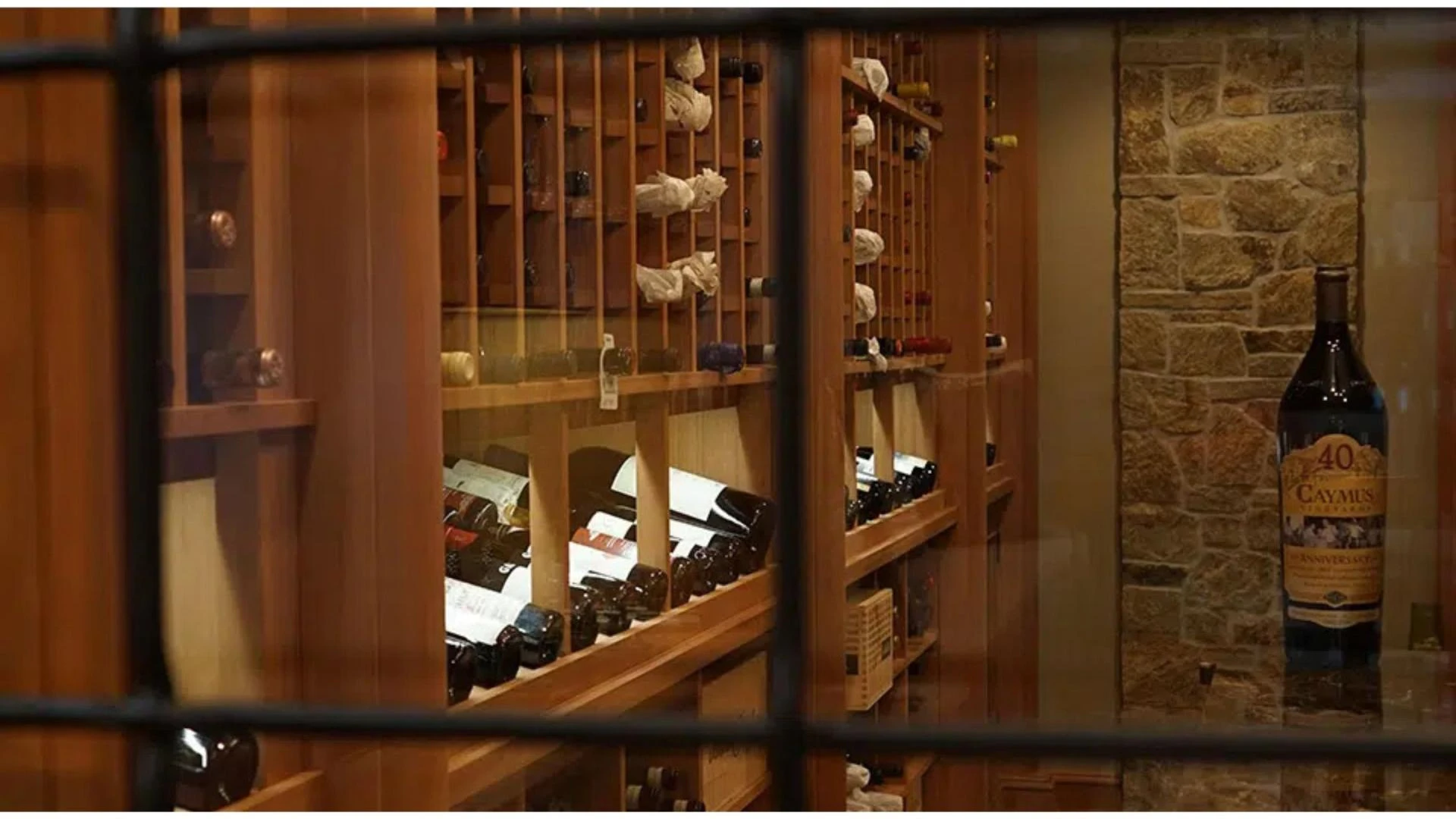

Wine may sit quietly in a bottle, but it is still very sensitive to the world around it. Temperature, humidity, and light all affect how wine ages. If the environment changes too much, the wine inside can lose its flavor and quality. This is why storage matters so much. Many wine lovers learn this the hard way after a few bottles taste different than expected. The problem is often not the wine itself. The problem is how it was stored. In Connecticut, the weather changes a lot during the year. Summers can get warm and humid. Winters can become very cold. Spring and fall can swing back and forth between the two. These sudden shifts can make wine storage tricky. That is why planning proper wine storage in Connecticut is so important. A steady environment helps wine age slowly and safely. When bottles stay at the right temperature, they keep their flavor, aroma, and balance for many years. The good news is that with a little planning, anyone can protect their wine from these seasonal ups and downs.
Connecticut Weather Can Be Unpredictable
Connecticut weather can act a little wild sometimes. One week the air feels warm and sunny. The next week a cold front rolls in out of nowhere. Wine does not enjoy this kind of rollercoaster. Wine likes calm, steady conditions. The best storage temperature is around 55°F. When temperatures keep jumping up and down, wine starts to react. For example, warm air can speed up the aging process. Cold air can slow it down too much. When this keeps happening again and again, the wine may not taste the way it should. Rooms like garages, attics, or kitchens often face the biggest temperature swings. These spaces heat up fast in summer and cool down quickly in winter. Because of this, storing wine in these areas can be risky. A better option is a space where the temperature stays more stable throughout the year.
Why Do Temperature Swings Cause Trouble?
Wine bottles may look tough, but they are more delicate than they seem. Big temperature changes can cause real problems inside the bottle. Here is what happens. When wine gets warm, it expands. When it cools down, it shrinks. This movement may seem small, but over time it affects the cork. If the cork becomes loose, air can sneak into the bottle. Once oxygen enters, the wine slowly begins to spoil. The taste becomes flat, dull, or even sour. This is one reason many homeowners explore wine storage in New Canaan, CT solutions. A controlled storage space keeps the temperature steady and protects the cork seal. Humidity also plays an important role. Air that is too dry can shrink corks. Air that is too wet can create mold. Balanced humidity keeps the cork healthy and the bottle safe.
Keep It Cool and Consistent
When it comes to wine storage, one rule stands above the rest. Keep things steady. Wine does not need perfect conditions every second. It simply needs an environment that does not change too often. A small closet wine cellar can be a smart option for many homes. It does not take up much space, yet it can help keep the temperature more stable than many open areas of the house. Basements are also a good place to store wine. They usually stay cooler than most rooms in the house. Thick walls help protect bottles from outdoor weather. Some homeowners add insulation to the storage area. Wine cooling systems are another helpful tool.
Small Habits That Protect Your Wine
Good wine storage does not need to be complicated. A few simple habits can make a big difference. First, store bottles on their sides. This keeps the cork slightly wet. A moist cork seals the bottle better and stops air from getting inside. Next, try not to move the bottles too much. Wine prefers to rest quietly. Many collectors also use thermometers and humidity meters. These small tools show exactly what is happening in the storage space. If the numbers change, it is easy to fix the problem quickly. Think of it like checking the weather for your wine. A quick look now and then helps keep everything on track.
Conclusion
Seasonal temperature swings can be tough on wine. However, wine lovers do not need to worry too much. With the right setup, bottles can stay safe all year long. Many homeowners choose small closet wine cellars because they fit easily inside the house and provide better control over the environment. With a steady space and a few smart habits, wine can stay protected and ready to enjoy whenever the perfect moment arrives.























Sign in to leave a comment.