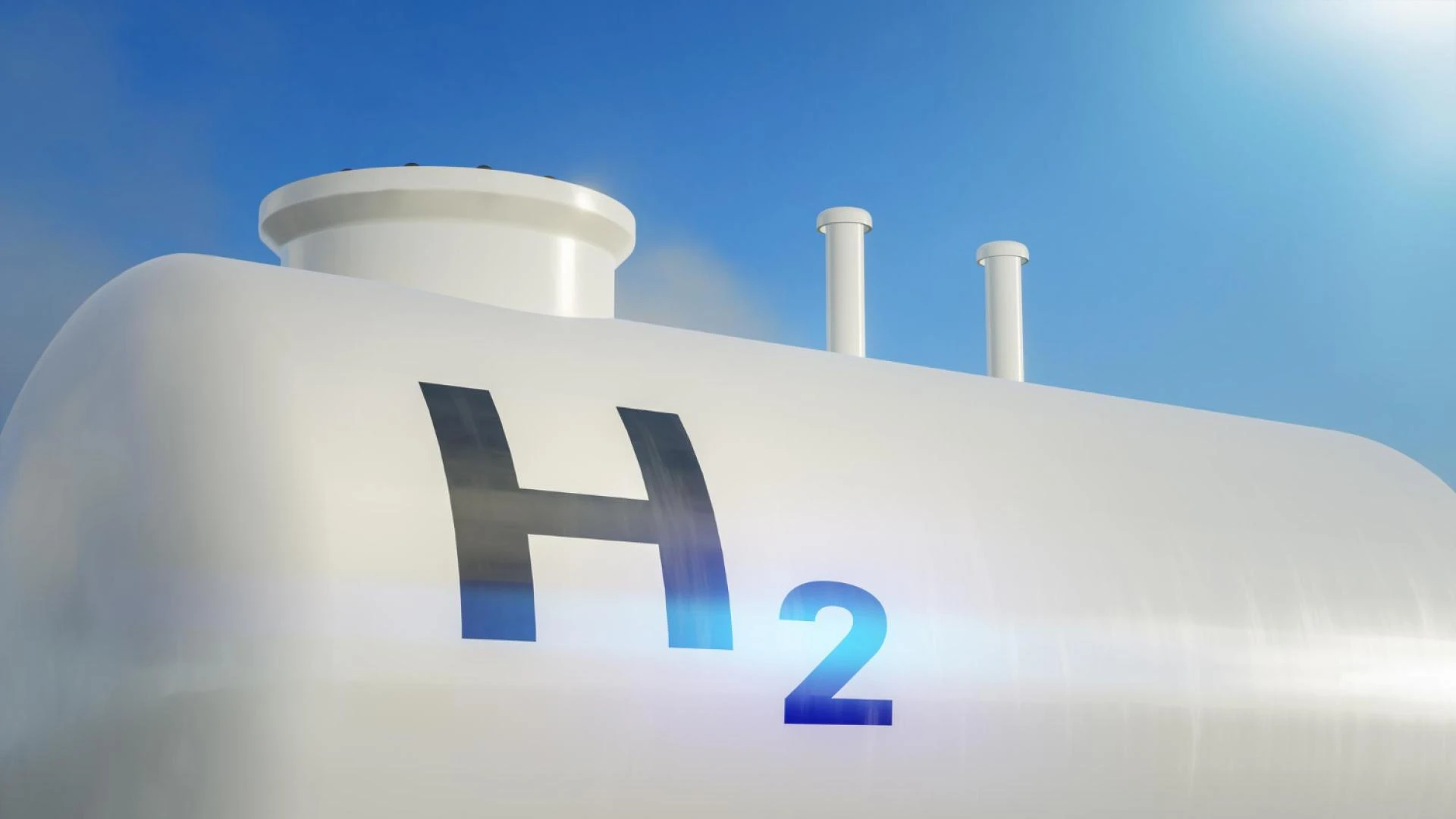
Hydrogen's rise continues to accelerate, positioning itself as fundamental to future energy systems. Within Britain, hydrogen leads the other energy options. Hydrogen is a key part of Britain's plan to pollute less and build a cleaner future. The UK's hydrogen plan helps the environment while also creating new jobs and business opportunities.
What methods is Britain employing to materialise this ambitious vision? Most significantly, how will these developments affect businesses, neighbourhoods, and ordinary people? We'll discuss these questions below:
So, Why Hydrogen?
Hydrogen is basically the cleanest fuel you can get. Use it, and all you get is water. There are no carbon emissions and no harmful pollution. That is huge for industries like steel manufacturing, transport, and heating, where reducing emissions is really tough. But for the UK, there is more to it than just being clean.
Adopting Hydrogen has three big benefits:
- Energy Independence: Producing hydrogen domestically means less reliance on imported oil and gas. That is better energy security and makes it more resilient to global market fluctuations.
- Jobs and Growth: Hydrogen has the potential to create thousands of green jobs, from engineering to production. It's not just about cleaner energy. It is building a future economy.
- Environmental Impact: Hydrogen helps polluting industries clean up their act. It bridges the gap where electrification might not work, paving the way for lower-carbon options in complex sectors.
The time to utilise hydrogen is right now. The technology is getting better, and people are finally getting why we need sustainable energy.
The UK’s Plan in Action
The UK Hydrogen Strategy has a plan with three main focus areas to bring hydrogen from an idea into reality every day.
1. Scaling Up Production
Their goal is 10GW of clean hydrogen production by 2030. They are planning to get there using two methods:
- Green Hydrogen: Made using renewable electricity to split water into hydrogen and oxygen, this process is about as clean as it gets.
- Blue Hydrogen: This one starts with natural gas. They trap all the carbon dioxide before it escapes and pump it deep underground for storage. Keeping it environmentally friendly.
Going with both approaches means they can scale up fast while keeping costs effective.
2. Getting the Right Infrastructure
Making hydrogen is only half the battle. You have got to get it where people need it. That means heavy investment going into pipelines, storage facilities, and filling stations.
For example, the Teesside Hydrogen Hub is already showing how this works. They are building the whole supply chain from scratch, connecting production with real-world uses for industry and local communities.
They are also mixing hydrogen into current gas networks as a stepping stone. This way, businesses and homes can begin integrating hydrogen without having to fully overhaul systems straightaway.
3. Growing Demand
For this whole thing to work, people and companies need to want hydrogen. Transport's the big focus; hydrogen trucks, buses, and trains are already running. London and Aberdeen have hydrogen bus fleets proving this is not just a theory anymore.
They are testing hydrogen heating systems too, running trials with hydrogen boilers. This sets things up for homes to switch over in the coming years.
When demand grows, private money follows, innovation picks up, and businesses feel confident about committing to hydrogen for the long haul.
Putting Plans Into Motion
The UK has some solid momentum already building. Several projects are delivering results rather than just making promises:
Teesside's Hydrogen Hub
It stands out as one of the largest-scale hydrogen production sites. They are handling production, storage, and usage all at the same site. It's creating employment opportunities locally while demonstrating that emission reductions are possible.
Hydrogen Buses and Trains
Public transport is leading the charge toward zero emissions. Several British cities now operate hydrogen buses. Rail transport presents an even stronger case. Many branch lines and rural routes simply cannot justify the massive infrastructure investment required for electrification.
Renewable Energy Storage
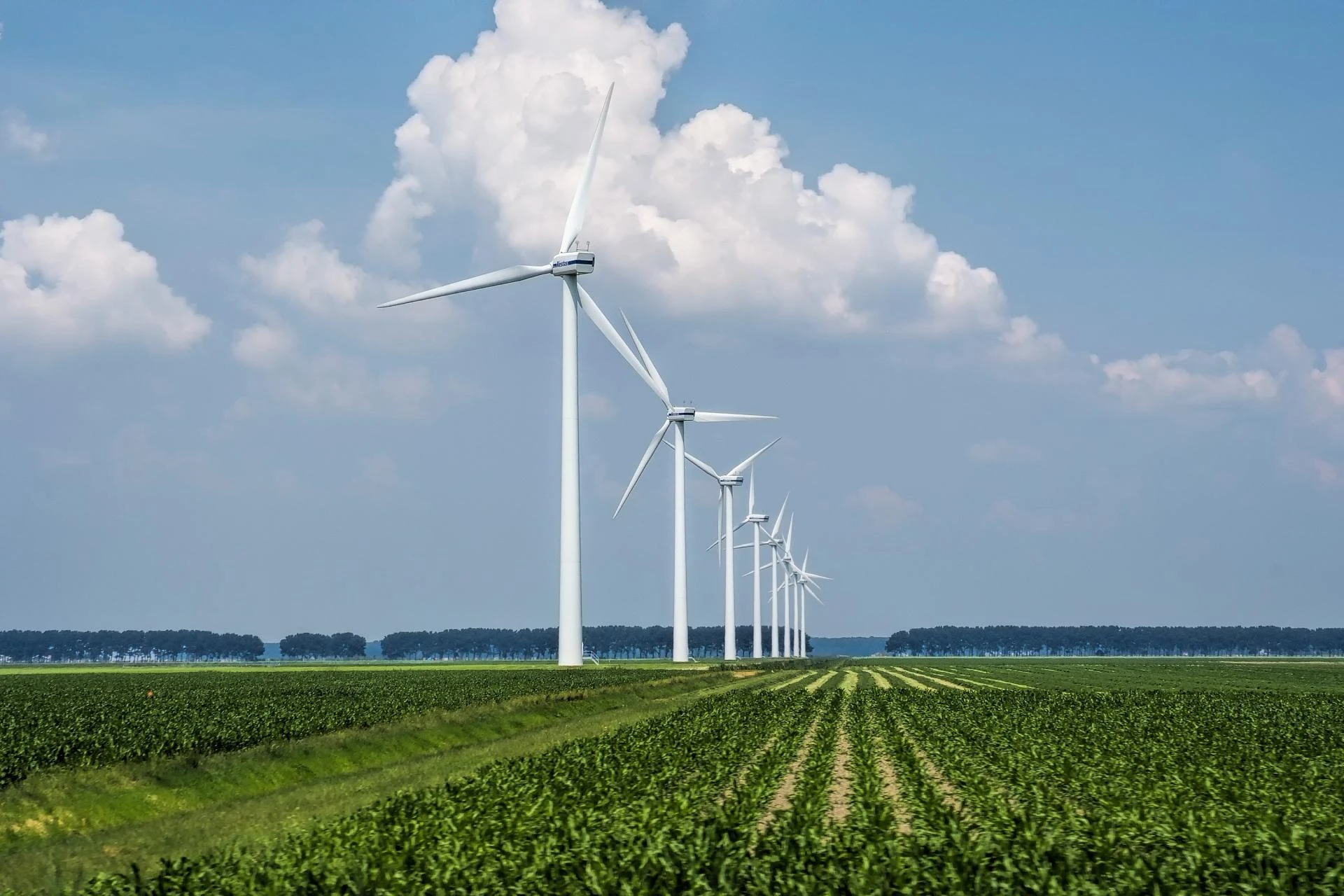
Hydrogen’s ability to integrate with wind and solar energy is another huge win. Excess energy from renewable sources can be converted into hydrogen, stored, and used later, ensuring no energy goes to waste.
These projects are not just reducing emissions. They are proof that hydrogen works in the real world.
Strategic Implications
Hydrogen extends beyond fuel substitution toward fundamental restructuring of industrial processes, transportation networks, and energy security frameworks. For Britain, successful implementation could preserve manufacturing competitiveness while achieving decarbonisation objectives.
Employment transitions require careful management. Emerging hydrogen industries will create specialised roles while rendering others obsolete. However, realisation timelines depend critically on achieving economic scalability across hydrogen value chains.
Looking Ahead
Britain's hydrogen commitments are extensive, though several components remain unproven at commercial scale. The strategy leverages existing industrial capabilities while confronting substantial technical and financial barriers.
Success remains uncertain. International competition intensifies, production costs stay elevated, and infrastructure deployment requires extended timeframes. Nevertheless, potential returns across economic, environmental, and strategic dimensions warrant continued investment.
Hydrogen addresses specific energy system challenges rather than providing comprehensive solutions. Whether this initiative becomes a transformative success or a costly learning experience will depend on execution quality throughout the implementation decade.






















Sign in to leave a comment.