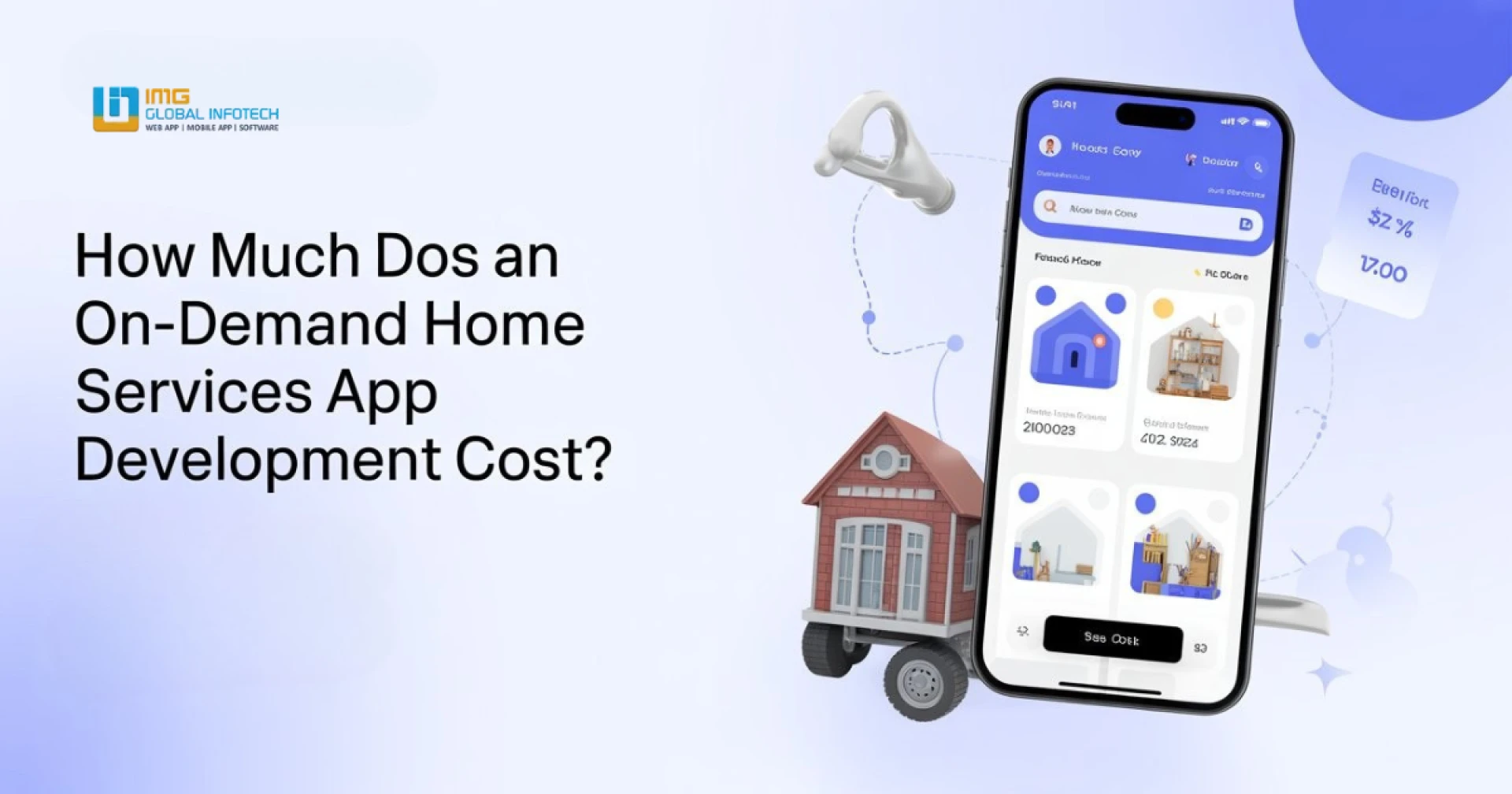

The rise of digital platforms has transformed the way we access services. Among the most notable innovations in recent years is the emergence of on-demand home services apps. These apps have made it incredibly easy for users to book professionals for cleaning, plumbing, electrical work, pest control, beauty services, and more—all with just a few taps on their smartphones. However, if you are considering entering this booming market, understanding the cost structure of home services app development is crucial.
In this article, we’ll break down the factors influencing Home Services App Development costs and provide insights into what you can expect when investing in this business venture.
What is an On-demand Home Services App?
An on-demand home services app acts as a bridge between service providers and customers. Customers can browse a list of available services, check reviews, compare prices, and schedule appointments. Service providers, in turn, can manage bookings, track assignments, and receive payments through the platform.
These apps generally come in two parts:
- Customer App: Allows users to book services, make payments, and track service providers.
- Service Provider App: Enables professionals to receive requests, manage schedules, and update service status.
- Admin Panel: Helps the platform owner manage operations, track analytics, and maintain smooth communication between customers and providers.
Creating such a platform requires a robust design, seamless user experience, and strong backend infrastructure.
Key Features Influencing the Cost
The cost of Home Services App Development largely depends on the features you wish to integrate. Let’s break them down:
1. User Registration and Profiles
Users should be able to register via email, phone number, or social media accounts. Providers will also need profiles showcasing their services, ratings, and experience.
2. Service Booking System
The core of any on-demand services app is the booking system. Features like real-time availability, instant confirmation, and flexible scheduling are essential. Integrating calendar management adds to the complexity and cost.
3. GPS and Location Tracking
Location tracking helps customers find nearby service providers and allows providers to navigate to the customer’s location efficiently. GPS integration can increase development costs but significantly improves user experience.
4. Payment Gateway Integration
A secure payment system is non-negotiable. Options like credit/debit cards, mobile wallets, UPI, and net banking should be included. Adding features like automated invoicing and payment tracking can further increase expenses.
5. Ratings and Reviews
Customer feedback is essential for trust-building. Incorporating a review and rating system ensures service quality and helps users make informed decisions.
6. Push Notifications
Notifications for booking confirmations, service reminders, and promotional offers enhance user engagement. Customizable push notifications may add slightly to the development budget.
7. Admin Panel
A robust admin panel allows monitoring of both customers and service providers. Advanced analytics, reporting tools, and dispute resolution features can increase the cost but are valuable for operational efficiency.
Factors Affecting Development Cost
Several elements determine the total expenditure for developing an on-demand home services app:
1. App Complexity
Simple apps with basic features cost less, whereas apps with advanced features like AI-based service recommendations or chatbots will be more expensive.
2. Platform Choice
Choosing between Android app development services, iOS, or both significantly impacts the cost. Generally, developing for Android is slightly less expensive than iOS due to fewer device variations and open-source nature. Cross-platform frameworks like Flutter or React Native can reduce costs if targeting both platforms simultaneously.
3. Design and UX
The user interface plays a crucial role in user retention. A simple design will cost less, but a high-end, interactive, and responsive UI/UX design increases development expenses.
4. Backend Development
A strong backend is needed to manage bookings, user profiles, payments, and notifications. A cloud-based solution with secure databases and scalable architecture is more expensive but crucial for long-term success.
5. Location of the Development Team
The region of your development team affects cost. For instance:
- India: $10,000–$25,000
- Eastern Europe: $25,000–$50,000
- USA/Western Europe: $50,000–$100,000+
Outsourcing development to cost-effective regions like India can save significant expenses without compromising quality.
6. Maintenance and Updates
Post-launch maintenance is vital to keep the app functional and secure. Regular updates, bug fixes, and server costs usually account for 15–20% of the initial development cost annually.
Estimated Cost of Home Services App Development
While exact costs vary depending on your requirements, here’s a rough breakdown:
Feature/Component Estimated Cost (USD)
UI/UX Design $3,000–$8,000
Customer App Development $8,000–$20,000
Service Provider App Development $7,000–$18,000
Admin Panel $5,000–$15,000
Backend Development $10,000–$25,000
Payment Gateway Integration $2,000–$5,000
GPS & Real-time Tracking $1,500–$4,000
Testing & QA $3,000–$7,000
Total Estimated Cost: $40,000–$100,000
This range assumes mid-level complexity. Apps with advanced AI features, machine learning algorithms, or additional modules may exceed $120,000.
Tips to Optimize Development Costs
- Start with an MVP: Begin with a Minimum Viable Product (MVP) to test the market before investing in a full-scale app.
- Choose the Right Platform: If your target audience is mainly Android users, start with Android to reduce initial costs.
- Outsource Wisely: Hiring a skilled but cost-effective development team can save money without sacrificing quality.
- Focus on Core Features: Avoid unnecessary features at the start. Prioritize essential functionalities to control costs.
Future of On-demand Home Services Apps
The on-demand home services market is projected to grow exponentially in the coming years. Features like AI-powered service recommendations, predictive maintenance for appliances, and automated scheduling are becoming industry standards. Investing in a robust app now can position your business as a market leader and deliver long-term returns.
Conclusion
The cost of Home Services App Development depends on several factors, including app complexity, platform, design, backend infrastructure, and team location. A rough estimate ranges from $40,000 to $100,000 for a mid-level app, with high-end apps potentially exceeding $120,000. Starting with an MVP and focusing on core functionalities while leveraging professional android app development services can optimize costs and help you enter the market confidently.
Investing in an on-demand home services app is not just about development costs—it’s about creating a platform that delivers convenience, reliability, and excellent customer experiences. With proper planning, strategic budgeting, and the right development team, you can launch a successful app that meets the growing demand for home services.
























Sign in to leave a comment.