
Floods are among the most common and devastating natural disasters, capable of dismantling years of infrastructure development in mere hours. As global climate patterns continue to shift, intense rainfall events and rising sea levels threaten communities, industrial sites, and city centers worldwide. In this era of unpredictable extremes, adaptive and reliable protection systems have become essential. One such innovation leading the charge toward resilient urban design is the Demountable Flood Barrier.
At Newflag Technology Co., Ltd., we are committed to advancing flood defense solutions that merge engineering precision with environmental responsibility. Our expertise in developing Demountable Flood Barriers has empowered countless municipalities, architects, and facility managers to secure vulnerable locations without sacrificing aesthetics or accessibility. These cutting‑edge systems embody flexibility and strength—qualities that define modern infrastructure resilience.
Understanding Demountable Flood Barriers
It’s essential to understand what Demountable Flood Barriers are and how they work.
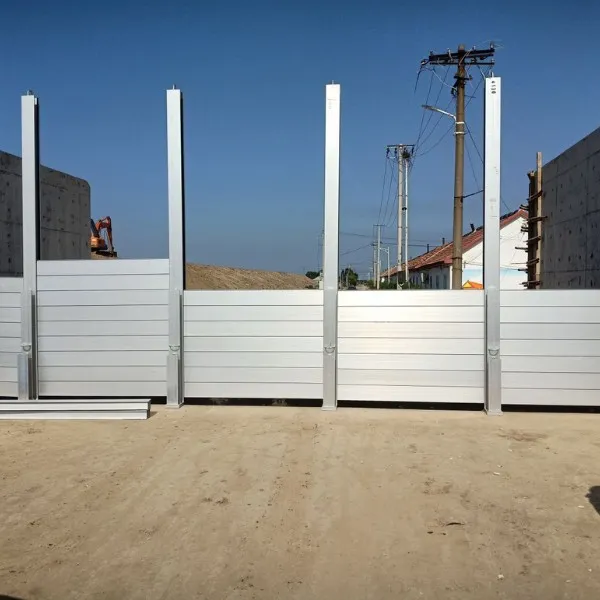
Demountable Flood Barriers are modular flood protection systems composed of removable posts and horizontal beams—typically made from high‑strength aluminum or stainless steel—anchored securely into pre‑installed ground sockets. When flooding is predicted, trained personnel can quickly assemble these lightweight yet robust components, creating a watertight wall that shields vulnerable areas from rising waters. Once the flood threat has passed, the barrier can be dismantled, leaving the site unobstructed for day‑to‑day activity.
This adaptability distinguishes Demountable Flood Barriers from permanent levees or concrete walls. They allow cities to maintain open walkways, scenic riverfronts, and functional access routes while having reliable protection that can be deployed within hours. In short, they are both invisible defenses and immediate safeguards.
The Engineering Behind Flexibility
Engineering a flood barrier that is both portable and watertight poses a complex design challenge. The success of Demountable Flood Barriers rests on several critical engineering principles:
- Precision Fit and Modular Design: Each barrier segment interlocks precisely to ensure a continuous sealed structure, regardless of length or height. The modular layout allows extension or adjustment based on local risk profiles.
- Material Selection: Lightweight alloys and corrosion‑resistant finishes allow for quick installation, long‑term durability, and minimal maintenance costs.
- Foundation Integrity: Hidden anchoring systems—such as stainless steel sockets or concrete‑embedded bases—guarantee strong connection points capable of withstanding high hydrostatic pressure.
- Sealing Mechanisms: Rubber gaskets or compression seals between beams form a watertight joint, preventing seepage even under significant water loads.
By combining mechanical strength with design modularity, Demountable Flood Barriers ensure that protection can be deployed rapidly without heavy machinery. For authorities and industries where every minute counts, this difference can mean saved infrastructure and countless avoided financial losses.
The Global Context: Why Demountable Systems Matter
According to the United Nations Office for Disaster Risk Reduction, economic losses from flooding exceed $60 billion annually. Much of this stems from vulnerable assets—harbors, metro systems, warehouses—built along coastlines or rivers.
Traditional flood defenses like levees or concrete walls are effective but inflexible. They occupy valuable land and permanently alter landscapes. By contrast, Demountable Flood Barriers provide a balance between functionality and freedom. When not in use, they can be completely disassembled, ensuring open waterfronts, unobstructed traffic routes, and aesthetic integrity for public spaces or commercial zones.
Advantages of Demountable Flood Barriers
Let’s consider why Demountable Flood Barriers have become one of the fastest‑growing solutions in flood defense engineering.
a. Flexibility and Reusability
Unlike concrete walls, these barriers can be deployed only when required and reused for multiple events. After the flood season, components can be removed, cleaned, and stored—increasing cost efficiency over their lifecycle.
b. Rapid Deployment
Well‑trained teams can install hundreds of meters of barrier per hour. With pre‑installed foundations and clear assembly guides, emergency readiness becomes manageable and swift.
c. Aesthetic Harmony
Modern urban design increasingly values multifunctional infrastructure. Demountable Flood Barriers maintain city aesthetics by remaining invisible until needed, allowing communities to enjoy open waterfronts and unobstructed skylines.
d. Environmental Friendliness
Because these systems eliminate the need for large concrete structures, they reduce construction waste, minimize soil disruption, and support natural riverbank rehabilitation projects.
e. Scalability and Mobility
Systems can be scaled to required heights—from small‑scale entrance protection for commercial buildings to multi‑meter‑high walls for large public projects. Components are easily transported to different locations, allowing one system to serve multiple sites.
f. Longevity and Cost Efficiency
Durable materials withstand harsh environmental conditions, and modular replacement lowers maintenance expenses. Over the decades, the total cost of ownership has remained significantly lower than that of permanent concrete flood defenses.
Also Read: Key Benefits of Demountable Flood Barriers [Infographic]
Key Applications
1. Urban Waterfronts
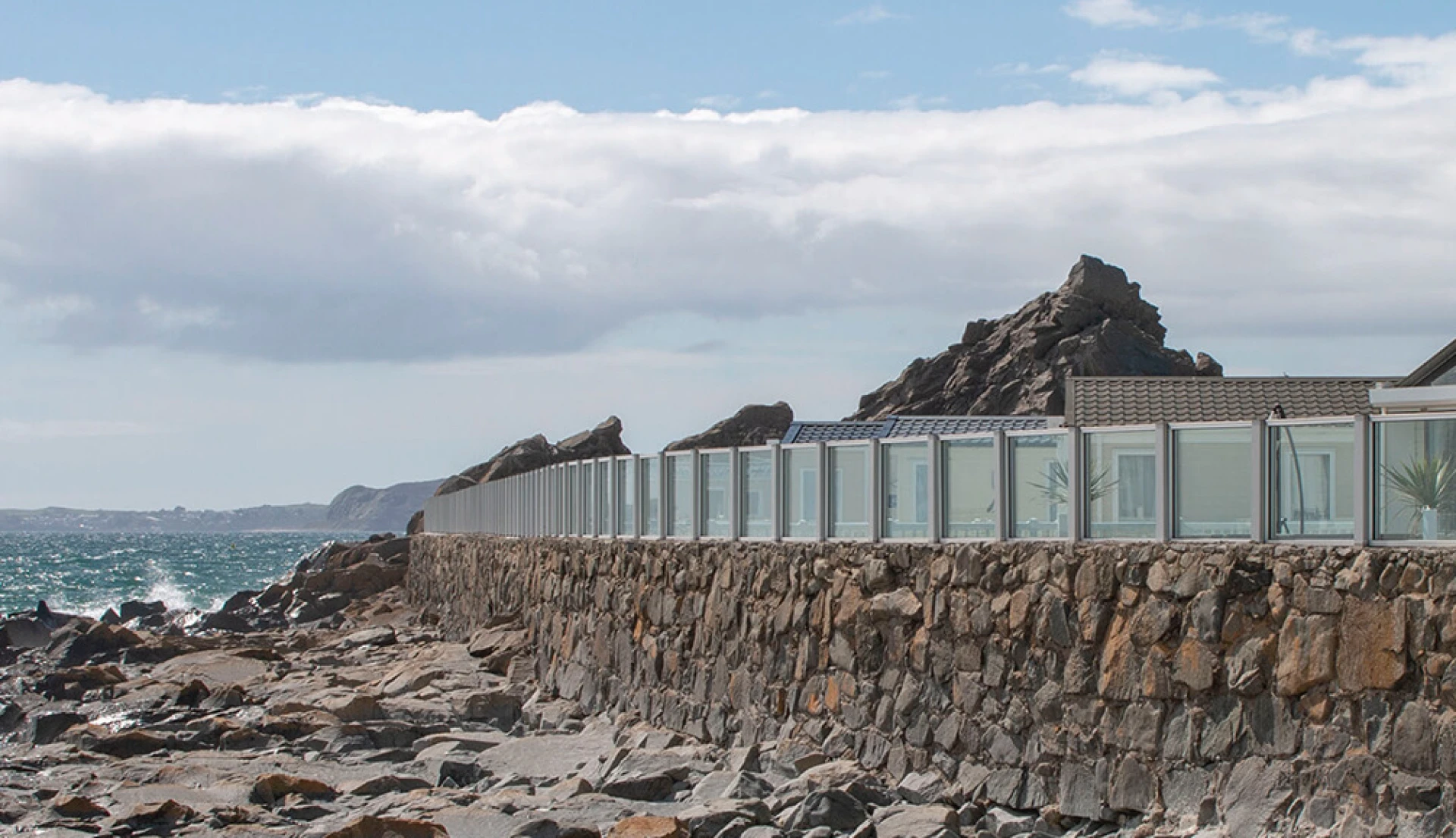
Many cities balance economic and recreational priorities along riversides or seaside promenades. Demountable Flood Barriers enable protective measures that maintain public access and urban appeal. For instance, sections along European rivers now rely on removable barriers during high‑water seasons, preserving tourism and commerce while ensuring safety.
2. Industrial Facilities
Factories, power plants, and logistics hubs often store sensitive equipment near coastlines or flood‑prone plains. Installing permanent obstructions may disrupt daily operations, whereas Demountable Flood Barriers provide flexible, fast‑acting shields for entry points, loading docks, and critical rooms.
3. Transportation Infrastructure
Subways, tunnels, and airport terminals are particularly vulnerable. Rapidly deployable Demountable Flood Barriers can be installed across entrances and ventilation shafts, keeping core transportation systems dry and functioning during storms.
4. Residential and Commercial Buildings
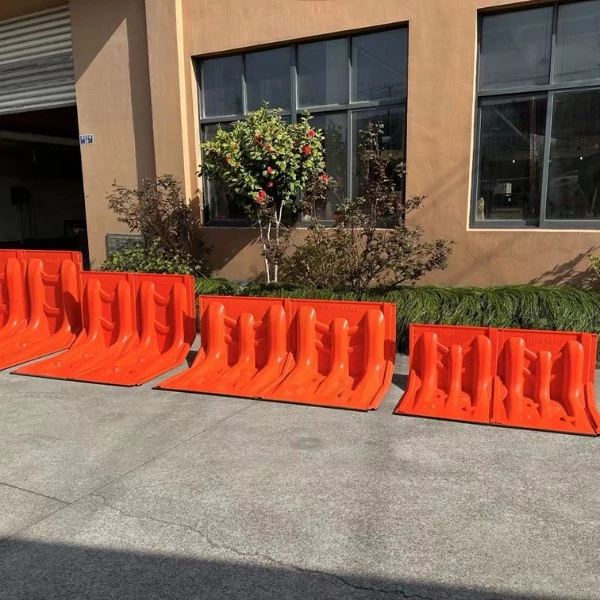
Building owners use smaller configurations to protect basements, doorways, or parking garages. Compact versions offer personal protection solutions that individuals or local businesses can deploy themselves.
5. Public Institutions
Hospitals, schools, and government buildings must remain operational during emergencies. Precise flood defense planning with Demountable Flood Barriers ensures continuity of essential services even in worst‑case scenarios.
Also Read: Innovative Features of Modern Demountable Flood Barriers
How Demountable Flood Barriers Are Installed and Operated
The installation of these systems follows a systematic yet simple process:
- Preparation and Foundation: Permanent base plates or ground sockets are installed along predetermined flood lines.
- Deployment: When a flood warning is issued, staff position vertical support posts into the sockets.
- Panel Insertion: Horizontal beams slide between posts and compress against gaskets for a watertight seal.
- Final Tightening: Locking mechanisms secure the structure, ensuring stability against hydrostatic pressure.
- Demounting and Storage: After use, all components are cleaned, labeled, and stored in designated containers for future deployment.
Testing and Standards Compliance
Reliability isn’t optional—it’s the foundation of trust. Therefore, Demountable Flood Barriers undergo rigorous testing to international standards such as:
- BS EN 13564 (Flood protection products)
- FM 2510 Certification (FM Approvals for flood abatement equipment)
- DIN 19569‑4 (Structural integrity for flood structures)
At Newflag Technology Co., Ltd., every system is tested under simulated hydrostatic pressure and differential loads. We ensure that sealing elements remain watertight over repeated deployments, giving stakeholders complete confidence in performance.
Integrating Technology and Design
The modern trend toward smart infrastructure has influenced flood protection technology as well. Demountable Flood Barriers are now often paired with sensors, IoT modules, and automated monitoring systems.
For example, early‑warning sensors can trigger alerts when water levels approach critical heights. Maintenance systems record assembly frequency, component status, and sealing integrity, ensuring readiness at all times. Such digital integration helps facility managers predict maintenance needs before failures occur.
Sustainability and Life‑Cycle Perspective
Sustainability encompasses more than carbon savings; it includes resource efficiency, longevity, and adaptability. Because Demountable Flood Barriers can be reused across decades, their environmental impact measured per flood event is substantially lower than that of single‑use sandbags or replace‑every‑decade levees.
Additionally, aluminum—the predominant material—offers a near‑infinite recycling potential with minimal loss in mechanical properties, aligning perfectly with global circular‑economy goals. Newflag Technology Co., Ltd. sources its aluminum profiles from certified suppliers and maintains strict monitoring across the supply chain to ensure ethical, low‑emission production.
Training and Community Engagement
A barrier system is only as effective as the people deploying it. For that reason, Newflag Technology Co., Ltd. invests heavily in community training and stakeholder awareness. Through simulation workshops and local demonstrations, municipal staff learn proper assembly techniques, storage and maintenance protocols, and emergency communication protocols.
Quite often, these sessions also become public outreach events that remind citizens of shared responsibility in disaster preparedness. Adoption of Demountable Flood Barriers thus becomes part of a broader culture of resilience.
The Economics of Protection
Financial decision‑makers often focus on initial cost, but the lifecycle economics tell a more complete story. When comparing total expenditures—including installation, maintenance, and potential damage prevention—Demountable Flood Barriers repeatedly show the best return on investment.
- Lower Upfront Civil Work: Minimal foundation preparation compared with building permanent levees.
- Reduced Material Waste: Reusability prevents recurring replacement expenses.
- Insurance and Risk Benefits: Many insurers offer reduced premiums for facilities equipped with certified barrier systems.
- Preserved Land Value: Open land usage with removable barriers maintains waterfront property premiums.
In short, adaptive infrastructure doesn’t just protect—it pays back.
Challenges and Continuous Improvement
Every engineering solution faces challenges. Demountable Flood Barriers depend on human readiness and operational plans. Proper maintenance, staff training, and adequately timed deployment are vital. Recognizing this, manufacturers such as Newflag Technology Co., Ltd. continually refine component ergonomics, reduce assembly time, and integrate digital readiness checks.

Through continuous improvement programs, each new installation benefits from the lessons learned across hundreds of completed projects worldwide.
The Future of Flood Management
As climate change intensifies, infrastructure solutions must evolve. Demountable Flood Barriers represent a model for the future—combining flexible architecture, smart technology, and sustainable practice.
We anticipate integration with automated lifting systems, remote monitoring, and hybrid defenses combining temporary barriers with permanent low‑walls for layered security.
Newflag Technology Co., Ltd. is actively collaborating with universities and engineering institutes to develop next‑generation systems featuring smart sensors and carbon‑neutral materials.
The goal is simple yet profound: to create flood defenses that adapt seamlessly to tomorrow’s cities while honoring today’s environmental commitments.
The story of urban resilience is being rewritten through innovation and foresight. Demountable Flood Barriers embody that narrative—marrying structural strength with flexibility, permanent reliability with temporary presence. They enable cities to protect themselves intelligently, preserving open landscapes while safeguarding economic and social vitality.
Frequently Asked Questions (FAQ)
Q1. What exactly are Demountable Flood Barriers?
They are removable modular flood defense systems made up of posts and beams that can be quickly assembled to create watertight walls during flood threats and dismantled afterward.
Q2. How long does it take to deploy a barrier system?
Deployment time varies with system size, but trained crews can typically install 50–100 meters per hour. Preparation, organization, and periodic drills reduce assembly time further.
Q3. Are Demountable Flood Barriers suitable for residential areas?
Absolutely. Scaled‑down versions protect doorways, basements, and garages effectively, offering the same high‑grade materials and watertight sealing found in large installations.
Q4. How durable are the materials?
Systems commonly last 25–50 years with proper care. Materials such as anodized aluminum and stainless steel resist corrosion, while replaceable seals ensure longevity.
Q5. Do they require special maintenance?
After each use, components should be cleaned, inspected, and stored dry. Annual checks of seals and sockets ensure readiness, and Newflag provides maintenance kits and training to assist clients.
Q6. Can the system withstand severe weather and debris impact?
Yes. Structural analysis and testing cover hydrostatic pressure, wind load, and floating‑object impact. Certified systems meet or exceed international resilience standards.
Q7. How is the system stored between uses?
Components are organized in labeled storage racks or mobile containers for easy inventory management. Compact stacking saves storage space and accelerates emergency deployment.
Q8. Are Demountable Flood Barriers cost‑effective for municipal budgets?
Yes. Lifespan and reuse justify the investment over multiple flood seasons. Several municipalities recoup costs within five years through prevented damage savings and insurance incentives.
Q9. Can they be customized for specific locations?
Certainly. Height, beam span, and wall curvature can be adapted to local topography, foundation type, and design aesthetics. Newflag’s engineering team develops site‑specific drawings and prototypes.
Q10. What sets Newflag Technology Co., Ltd. apart from other suppliers?
Newflag combines customized engineering, rigorous testing, sustainable materials, and comprehensive training. Our philosophy is partnership—delivering not just products but complete protection strategies.

























Sign in to leave a comment.