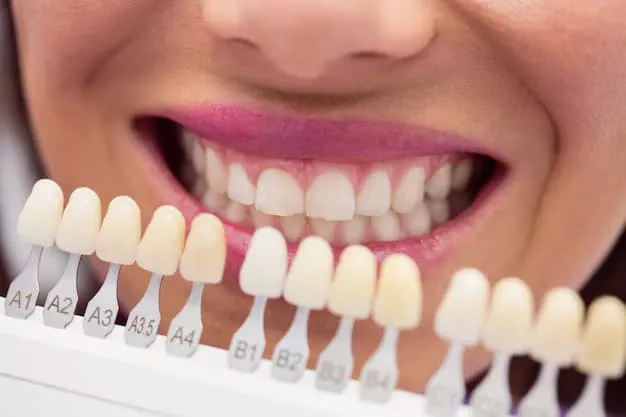

Dental veneers have become an increasingly popular cosmetic dental solution for people looking to improve the appearance of their teeth. They are thin shells crafted from porcelain or composite resin that cover the front surface of teeth to correct imperfections. The process is minimally invasive compared to other dental treatments and can dramatically transform a smile. Dental veneers Birmingham clinics offer are designed to blend seamlessly with natural teeth, ensuring a confident and aesthetically pleasing result. Individuals often seek veneers to address issues such as discoloration, minor misalignment, chips, or gaps between teeth. Beyond aesthetics, veneers can provide additional strength to teeth with minor structural weaknesses. By opting for veneers, patients can enjoy a long-lasting, natural-looking smile with minimal maintenance.

Types of Dental Veneers
There are two primary types of dental veneers commonly available: porcelain veneers and composite resin veneers. Porcelain veneers are known for their durability, stain resistance, and ability to mimic natural tooth translucency. They are ideal for patients seeking long-term cosmetic improvements. Composite resin veneers, on the other hand, are a more cost-effective option and can often be applied in a single visit. While they may not last as long as porcelain veneers, composite veneers offer flexibility and easier repair in case of damage. Understanding the differences between these types helps patients make informed decisions based on their preferences, budget, and dental needs.
Benefits of Dental Veneers
Dental veneers offer a wide range of benefits beyond simply enhancing the appearance of teeth. They can conceal discoloration caused by aging, medication, or excessive consumption of staining foods and drinks. Veneers also provide a solution for chipped or worn teeth, restoring a uniform and youthful look. For individuals with minor misalignments or irregular spacing, veneers offer a less invasive alternative to orthodontic treatments. Additionally, veneers are highly resistant to staining, meaning patients can enjoy a brighter smile without frequent whitening treatments. The versatility and durability of veneers make them a preferred choice for those seeking both cosmetic and functional improvements in their dental health.
The Dental Veneer Procedure
The process of obtaining dental veneers typically involves several carefully planned stages. During the initial consultation, the dentist evaluates the patient’s oral health, discusses desired results, and determines whether veneers are suitable. Dental veneers Birmingham clinics commonly provide detailed mock-ups or digital simulations to help patients visualize the final outcome. Once the treatment plan is agreed upon, a small amount of enamel is usually removed from the teeth to prepare the surface for the veneers. Impressions of the teeth are then taken and sent to a dental laboratory where custom veneers are crafted to match the shape, size, and color of natural teeth. The final step involves securely bonding the veneers to the teeth, ensuring a comfortable fit and natural appearance.
Preparing for Dental Veneers
Proper preparation is essential for achieving the best results with dental veneers. Patients may need to undergo a thorough cleaning and examination to address any existing dental issues such as cavities or gum disease. The dentist will also assess tooth alignment and bite to ensure that the veneers can be applied without compromising oral function. During the preparation phase, precise measurements and photographs of the teeth are taken to guide the creation of customized veneers. This stage is crucial for ensuring that the veneers fit perfectly, providing both aesthetic appeal and long-term durability. Adequate preparation also helps reduce potential complications, making the process smoother and more predictable.
Fitting and Adjustment
Once the veneers are ready, the dentist carefully fits them onto the teeth, making any necessary adjustments for alignment, shape, and color. The dentist checks the bite and ensures that the veneers do not interfere with natural jaw movements. Adhesive bonding materials are then used to attach the veneers securely, followed by polishing to achieve a seamless finish. Patients may experience minor sensitivity initially, which typically subsides within a few days. Proper fitting is essential to ensure comfort and longevity, as well as to prevent issues such as chipping or shifting. Follow-up visits are often scheduled to monitor the veneers and make any minor adjustments if needed.
Caring for Dental Veneers
Maintaining dental veneers requires commitment to good oral hygiene practices. Brushing twice daily with a non-abrasive toothpaste and flossing regularly helps prevent plaque buildup and protects the underlying teeth. It is also advisable to avoid biting hard objects or using teeth as tools, as excessive force can damage veneers. Routine dental check-ups are essential for ensuring that the veneers remain intact and the surrounding teeth and gums stay healthy. Patients can enjoy their enhanced smile for many years by adhering to these guidelines. Additionally, some lifestyle adjustments, such as moderating coffee or tea consumption, can further prolong the appearance and quality of veneers.
Longevity and Maintenance
The lifespan of dental veneers depends on the material used and how well they are cared for. Porcelain veneers often last between 10 and 15 years with proper care, while composite veneers may need replacement sooner. Regular dental visits, attentive oral hygiene, and protective measures such as wearing a night guard for teeth grinding can significantly extend the life of veneers. Minor issues like chips or discoloration can usually be repaired without replacing the entire veneer. Understanding the maintenance requirements helps patients set realistic expectations and make the most of their investment in cosmetic dental treatment.
Cost Considerations
The cost of dental veneers can vary based on factors such as the type of material, the number of teeth treated, and the complexity of the procedure. Porcelain veneers are generally more expensive due to their durability and aesthetic quality, whereas composite veneers offer a more affordable alternative. Additional costs may include initial consultations, imaging, and follow-up appointments. While veneers represent a financial commitment, many patients consider them a worthwhile investment due to the significant improvement in appearance and confidence they provide. Researching and comparing local options ensures that individuals can find solutions that fit both their dental needs and budget.
Choosing the Right Dentist
Selecting the right dentist is a crucial step in achieving successful results with dental veneers. A skilled cosmetic dentist with experience in veneer procedures can provide guidance, ensure proper fitting, and deliver high-quality results. Patients should look for credentials, reviews, and examples of previous work to make informed decisions. Communication is also key, as discussing expectations and concerns helps prevent misunderstandings and ensures satisfaction with the final outcome. Choosing a reputable and experienced dental professional enhances both the safety and effectiveness of the veneer treatment.
Conclusion
Dental veneers are a transformative cosmetic solution that can dramatically enhance the appearance of teeth, restore confidence, and improve overall oral health. From understanding the different types of veneers to following proper care and maintenance, patients in Birmingham have access to a range of options to suit their needs and lifestyle. By carefully considering the procedure, preparing adequately, and choosing a qualified dentist, individuals can achieve a natural-looking, long-lasting smile. For those seeking expert guidance and exceptional results, Cadbury Dental offers professional services that ensure patients receive the best care in dental veneers Birmingham.































Sign in to leave a comment.