
Turning 30 is an important stage in life. This is the phase when responsibilities increase, routines change, and health often takes a backseat. However, your 30s are also the time when your body begins to show the early effects of stress, long work hours, irregular sleep, and nutritional gaps. Many health problems start silently at this age, which is why regular diagnostic tests become extremely important. Detecting issues early not only prevents long-term complications but also helps you stay active, productive, and mentally balanced.
If you live in Siliguri, regular checkups should be a part of your routine because of the fast-paced lifestyle, changing food habits, and rising stress levels. Below are the essential diagnostic tests you should not ignore after the age of 30.
1. Complete Blood Count (CBC)
A CBC test is one of the simplest yet most important tests to assess your overall health. It helps detect infections, anemia, low immunity, inflammation, and blood-related disorders. Many people in their 30s experience constant tiredness, weakness, or dizziness, and they often ignore it. Sometimes these symptoms are linked to low haemoglobin or vitamin deficiencies. A CBC test alerts you to these issues early so you can start proper treatment and improve your energy levels naturally.
2. Blood Sugar Test (Fasting & Post-Meal)
Stress, fast food, irregular sleep, and long sitting hours can make you more prone to diabetes even at a younger age. That’s why checking your fasting and post-meal blood sugar levels after 30 becomes very important. Detecting diabetes or pre-diabetes early can save you from major health complications in the future, such as heart problems, nerve damage, or vision issues. Even if you do not have symptoms, testing your sugar levels once or twice a year is a healthy practice.
3. Thyroid Function Test
Thyroid imbalances are extremely common today, especially among women. A thyroid test checks T3, T4, and TSH levels and helps in detecting hypothyroidism or hyperthyroidism. Thyroid problems can cause fatigue, hair fall, weight changes, mood swings, irregular periods, and even skin issues. After 30, many people assume tiredness is due to stress, but in reality, thyroid imbalance is often the reason. Early diagnosis helps you maintain hormonal balance and improves overall well-being.
4. Lipid Profile
Heart health becomes crucial after 30, particularly if you have a family history of heart disease or if your lifestyle includes long working hours, fast food, lack of exercise, and stress. A lipid profile checks your cholesterol and triglyceride levels. High cholesterol is one of the biggest silent risk factors for heart disease. You may not feel any symptoms until the problem becomes serious. That’s why getting your lipid profile done once a year is highly recommended.
5. Liver Function Test (LFT)
Your liver plays a major role in digestion, metabolism, and detoxification. Regular consumption of oily food, alcohol, medicines, or even viral infections can affect liver health. After the age of 30, many people experience acidity, fatigue, or digestive issues. An LFT helps detect problems early and ensures your liver is working properly. Early treatment prevents long-term liver damage and keeps digestion smooth.
6. Kidney Function Test (KFT)
Kidney diseases often develop silently. Most people do not experience symptoms until the condition becomes advanced. Factors like low water intake, high salt consumption, and lifestyle stress can affect kidney health. A KFT measures creatinine and urea levels and checks the overall function of your kidneys. After 30, getting a KFT done once a year is a smart habit, especially if you have blood pressure issues or a family history of kidney problems.
7. Vitamin D and Vitamin B12 Test
Vitamin deficiencies are extremely common due to indoor lifestyles, lack of sunlight, and improper diet. Low Vitamin D or B12 levels can lead to tiredness, body pain, low immunity, hair fall, mood changes, and even poor concentration. These deficiencies often go unnoticed for years. After 30, testing these vitamins helps you understand what supplements or diet improvements you need. Maintaining healthy vitamin levels significantly improves your energy and mental clarity.
8. ECG or Heart Health Screening
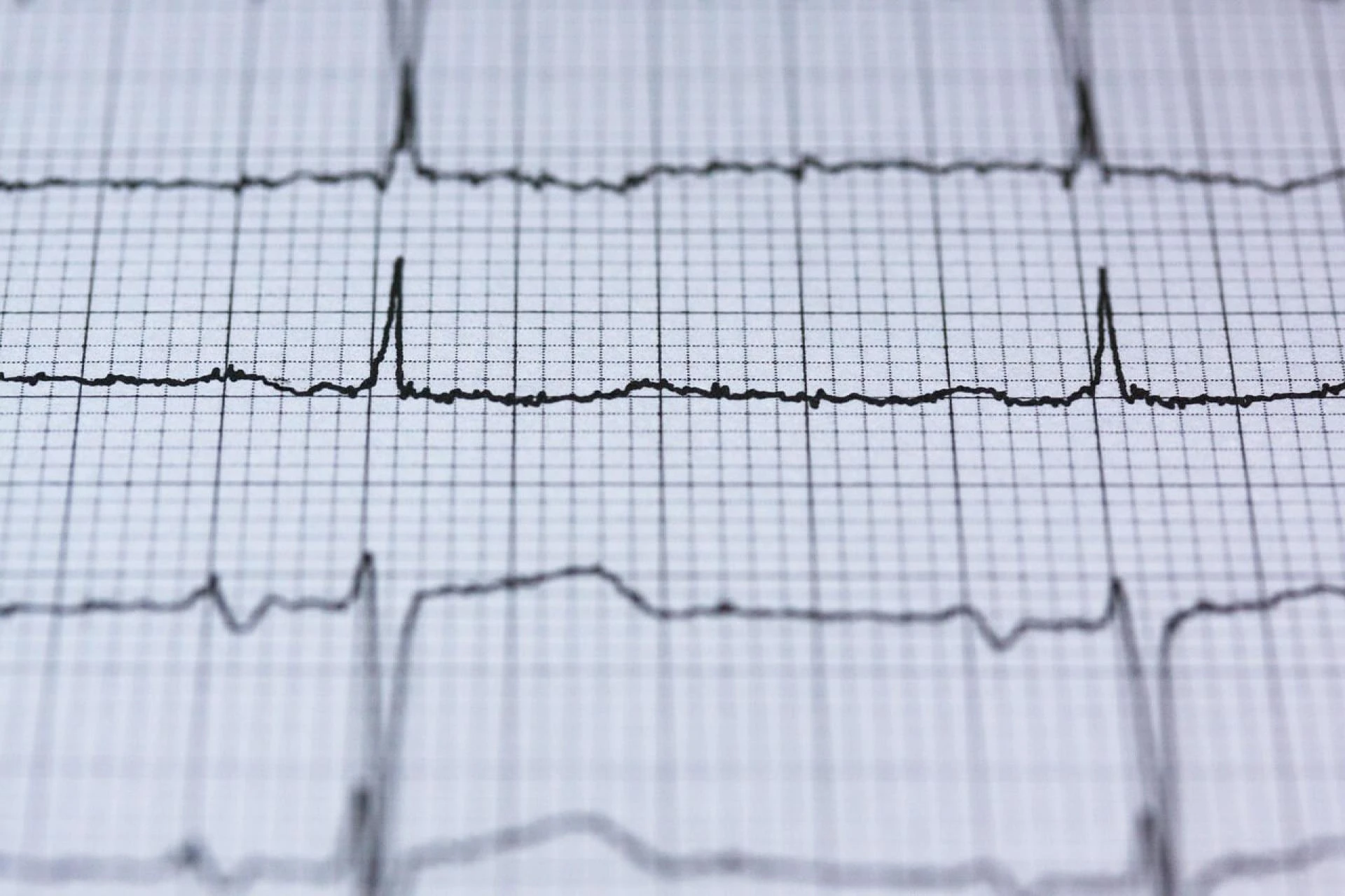
Heart-related issues are rising rapidly among young adults. Stress, pollution, unhealthy food, lack of sleep, and anxiety are major contributors. If you experience chest discomfort, breathlessness, or irregular heartbeat—or even if you don’t have symptoms but want to stay safe—an ECG or basic heart screening is necessary. It helps detect early signs of heart problems and allows you to make lifestyle changes before the condition worsens.
Where to Get These Tests Done in Siliguri?
When it comes to health tests, accuracy and trusted service matter the most. That is why it’s important to visit the best pathology lab in Siliguri, where you get reliable sample collection, advanced diagnostic machines, and timely reports. A good lab ensures that your test results are correct, which helps your doctor diagnose the problem more effectively.
Final Thoughts
Your 30s should be a time to build your career, strengthen relationships, and enjoy life. But all of this is possible only when your health is strong. Regular diagnostic tests play a major role in maintaining long-term wellness and preventing serious diseases. Instead of waiting for symptoms to appear, take proactive steps toward your health today. Make annual checkups a routine, choose a reliable pathology lab, and take charge of your health—because prevention is always better than cure.




























Sign in to leave a comment.