

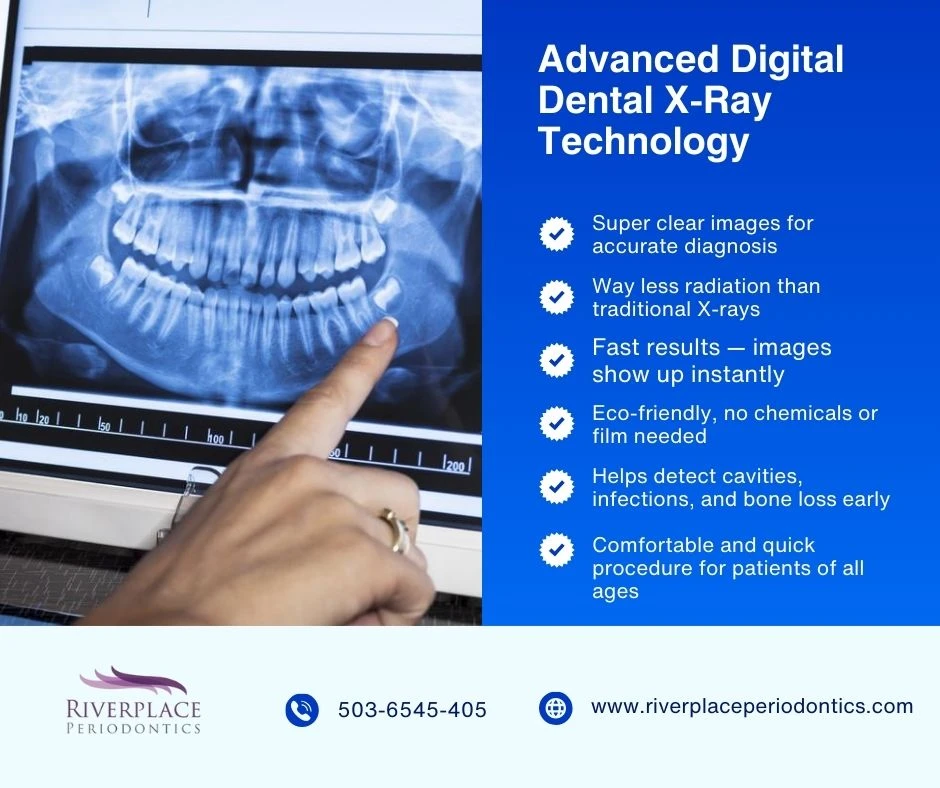
Digital X-ray technology has transformed modern dentistry by significantly improving the accuracy, efficiency, and safety of dental diagnosis. Unlike traditional film-based radiography, digital X-rays use electronic sensors to capture images of the teeth, bones, and surrounding oral structures. These images are instantly displayed on a computer screen, allowing dentists to diagnose conditions more quickly and effectively. As dental care continues to advance, digital X-ray technology has become an essential diagnostic tool in dental practices worldwide.
One of the most important advantages of digital X-rays is the reduction in radiation exposure. Digital systems require up to 70–90% less radiation compared to conventional film X-rays, making them a safer option for patients, including children and individuals who require frequent imaging. This improved safety profile enhances patient confidence while maintaining high diagnostic quality.
Digital X-rays also offer superior image quality. Dentists can zoom in, adjust contrast, and enhance images to detect problems that may not be visible on traditional X-rays. Conditions such as early-stage tooth decay, bone loss due to periodontal disease, impacted teeth, infections, and cysts can be identified more accurately. This early detection allows for timely intervention, preventing minor issues from developing into complex and costly treatments.
Another key impact of digital X-ray technology is efficiency. Images are available within seconds, eliminating the need for chemical processing and reducing appointment times. Dentists can easily store, retrieve, and share digital images electronically with specialists or insurance providers, streamlining communication and improving collaborative care. This efficiency benefits both dental professionals and patients by creating a smoother, more convenient dental experience.
Environmental benefits also contribute to the growing adoption of digital X-rays. Traditional radiography relies on chemicals and lead foils that can be harmful to the environment. Digital systems eliminate the need for these materials, making dental practices more eco-friendly while maintaining high diagnostic standards.
In addition, digital X-ray technology enhances patient education. Dentists can show patients their own X-ray images on a screen and clearly explain diagnoses and treatment plans. This visual communication helps patients better understand their oral health, leading to increased trust, engagement, and compliance with recommended treatments.
In conclusion, digital X-ray technology has had a profound impact on dental diagnosis by improving safety, accuracy, efficiency, and patient communication. It supports early detection of dental issues and enables dentists to deliver higher-quality, patient-centered care. Dental practices such as Riverplace Periodontics exemplify the effective use of advanced digital X-ray technology to enhance diagnostic precision and ensure optimal periodontal and oral health outcomes for their patients.





























Sign in to leave a comment.