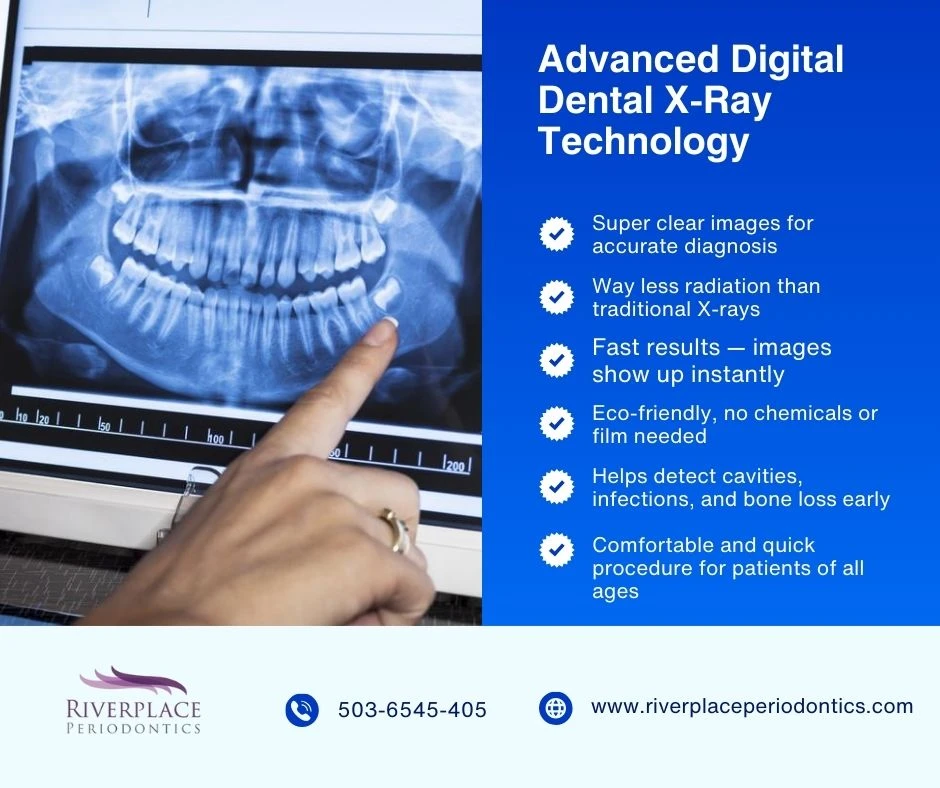

Dental X-rays have long played a crucial role in diagnosing oral health issues that are not visible during routine examinations. From detecting cavities between teeth to evaluating bone loss and impacted teeth, X-ray imaging has been a cornerstone of dental care. Over the years, the technology behind dental X-rays has undergone a remarkable transformation, shifting from traditional film-based methods to advanced digital systems that improve accuracy, efficiency, and patient comfort.
The Era of Film-Based Dental X-Rays
Film-based dental X-rays were once the standard in dental practices worldwide. These systems required chemical processing, physical storage space, and longer wait times for image development. Dentists had to rely on manual techniques to adjust image quality, and retakes were often necessary due to exposure errors. While film X-rays were effective for their time, they came with limitations such as higher radiation exposure and difficulties in sharing records between providers.
Transition to Digital Dental X-Rays
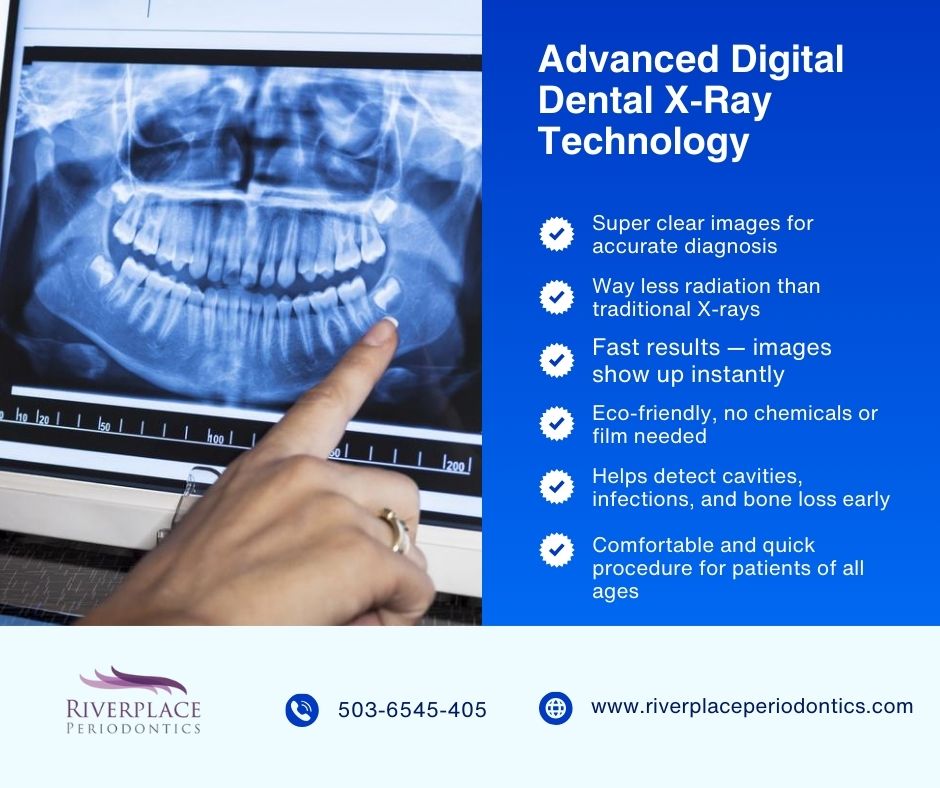
The introduction of digital dental X-rays marked a significant technological leap. Digital sensors replaced traditional film, allowing images to appear instantly on computer screens. This shift eliminated the need for chemical processing and reduced image retakes. Dentists could now adjust brightness, contrast, and magnification, enabling more precise diagnoses. The transition also supported electronic record-keeping, making it easier to store, retrieve, and share patient information securely.
Advantages of Digital Imaging in Modern Dentistry
Digital dental X-rays offer numerous benefits over film-based systems. One of the most notable advantages is reduced radiation exposure, enhancing patient safety. Digital images also provide superior clarity, helping dentists detect issues at earlier stages. Additionally, digital systems are environmentally friendly, as they eliminate chemical waste and reduce paper usage. Faster imaging improves workflow efficiency, allowing dental teams to focus more on patient care.
Conclusion: The Future of Dental Imaging
The evolution from film to digital dental X-ray imaging has revolutionized the way oral health is diagnosed and managed. With improved accuracy, safety, and efficiency, digital X-rays have become an essential tool in modern dentistry. As technology continues to advance, patients can expect even more precise and comfortable diagnostic experiences. Practices like Riverplace Periodontics embrace these innovations to deliver high-quality, patient-centered periodontal care using the latest digital imaging technologies.































Sign in to leave a comment.