
In today's fast-paced digital landscape, ensuring the continuity of business operations during unforeseen events is paramount. For IT professionals and tech enthusiasts, a robust disaster recovery (DR) plan is not just a luxury—it's a necessity. And at the heart of an effective DR strategy lies a critical component: Storage Area Network (SAN) storage solutions.
Understanding Disaster Recovery Planning
Disaster recovery planning involves a set of policies, tools, and procedures designed to enable the recovery or continuation of vital technology infrastructure and systems following a natural or human-induced disaster. The goal is to minimize downtime and data loss, ensuring that business operations can resume as quickly as possible.
Key elements of a disaster recovery plan include:
Risk Assessment: Identifying potential risks and their impact on business operations.Business Impact Analysis (BIA): Determining the criticality of different business functions and the resources required to support them.Recovery Strategies: Developing methods to recover data, applications, and systems.Plan Development: Documenting the DR plan, including roles, responsibilities, and procedures.Testing and Maintenance: Regularly testing the DR plan and updating it to reflect changes in the business environment.The Importance of SAN Storage Solutions in Disaster Recovery
SAN storage solutions play a pivotal role in disaster recovery planning due to their high performance, scalability, and reliability. Here's how SAN storage solutions contribute to an effective DR strategy:
High Availability and RedundancySANs are designed to provide high availability and redundancy, which are critical for disaster recovery. By leveraging multiple storage devices and paths, SANs can ensure continuous data access even if one component fails. This redundancy minimizes the risk of data loss and ensures that critical applications remain operational during a disaster.
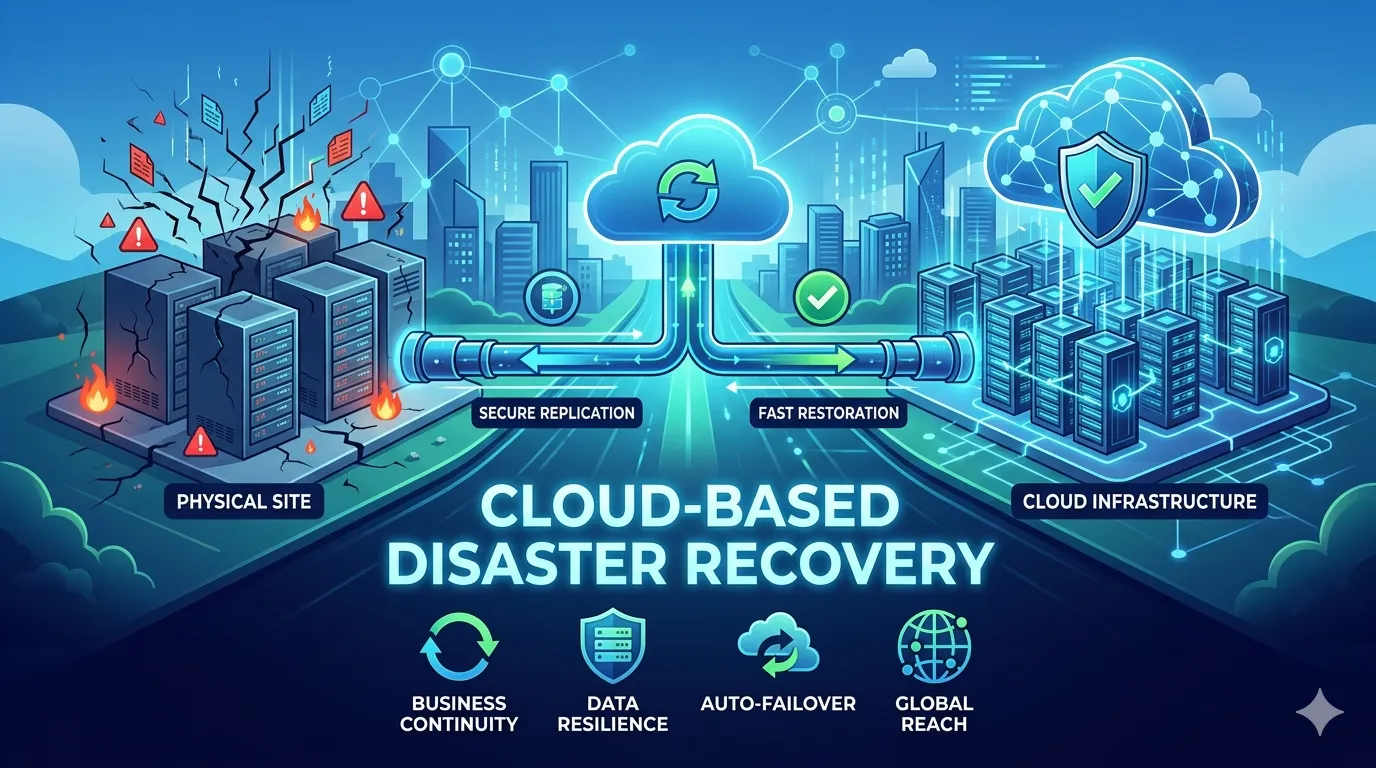
Efficient Data ReplicationData replication is a cornerstone of disaster recovery. SAN solutions offer robust data replication features that allow businesses to create real-time or near-real-time copies of their data. These copies can be stored at remote locations, ensuring that data is protected against site-specific disasters such as fires, floods, or power outages.
There are two main types of data replication:
Synchronous Replication: Ensures that data is simultaneously written to both the primary and secondary storage sites. This method provides zero data loss but may introduce latency.Asynchronous Replication: Data is replicated at intervals, allowing for some latency but minimizing the impact on performance. Scalability and FlexibilityDisaster recovery requirements can change over time as businesses grow and evolve. SAN storage solutions offer the scalability and flexibility needed to adapt to these changes. IT professionals can easily add or remove storage capacity, reconfigure the network, and integrate new technologies without disrupting existing operations.
Centralized ManagementSANs provide centralized management capabilities that simplify the administration of storage resources. This centralized approach allows IT teams to monitor and manage data replication, backup, and recovery processes from a single interface. Centralized management reduces complexity and ensures that disaster recovery procedures can be executed efficiently.
Improved Recovery Time Objectives (RTO) and Recovery Point Objectives (RPO)Recovery Time Objective (RTO) and Recovery Point Objective (RPO) are critical metrics in disaster recovery planning. RTO refers to the maximum acceptable amount of time to restore business operations after a disaster, while RPO defines the maximum acceptable amount of data loss measured in time.
SAN storage solutions can significantly improve both RTO and RPO by providing fast data access and efficient replication. This ensures that businesses can quickly recover their critical data and minimize downtime.
Implementing SAN Storage Solutions for Disaster Recovery
To effectively integrate SAN storage solutions into your disaster recovery plan, consider the following steps:
Assess Your Business Needs: Before investing in SAN storage, perform a thorough assessment of your business needs and growth projections to determine the right solution for your organization.Consult with Experts: Seek advice from trusted IT professionals and industry experts who can help you evaluate different options and choose the best fit for your business.Integrate Redundancy: Ensure that your SAN architecture includes redundant components, such as power supplies and network connections, to minimize the risk of single points of failure.Implement Data Replication: Utilize data replication features to create multiple copies of critical data at remote locations for added protection against disasters.Regularly Test and Update Your DR Plan: Regularly test your disaster recovery plan to ensure it is up-to-date and effective in recovering your critical systems in the event of a disaster.Conclusion
Disasters can strike at any time, putting businesses at risk of data loss and prolonged downtime. By incorporating SAN storage solutions into their disaster recovery plans, organizations can minimize the impact of disruptions and ensure business continuity. With high availability, efficient data replication, scalability, centralized management, and improved RTO and RPO, SAN storage solutions are a vital component in keeping businesses running during unexpected events. Remember to regularly review and update your DR plan to stay prepared for any potential disasters. So, it is crucial to invest in robust SAN storage solutions as part of a comprehensive disaster recovery strategy to protect your business from potential risks and ensure continuity in the face of adversity. So, it is crucial to invest in robust SAN storage solutions as part of a comprehensive disaster recovery strategy to protect your business from potential risks and ensure continuity in the face of adversity.






























Sign in to leave a comment.