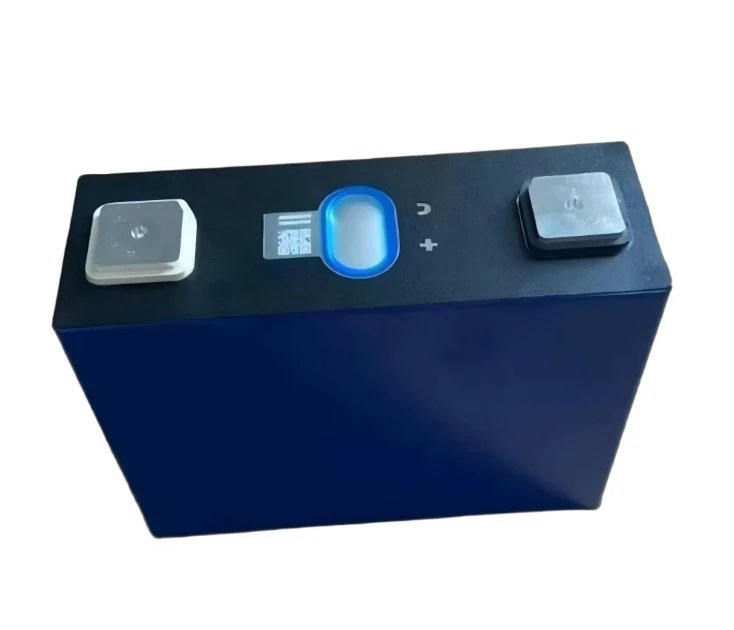

Build Your Own LiFePO4 Battery Pack: A Complete Guide
Building your own LiFePO4 battery pack can save money and give you complete control over your energy storage system. These lithium iron phosphate cells offer excellent safety, long lifespan, and stable performance—making them perfect for DIY projects.
This guide walks you through everything you need to know about selecting and assembling LiFePO4 prismatic cells into a custom battery pack.
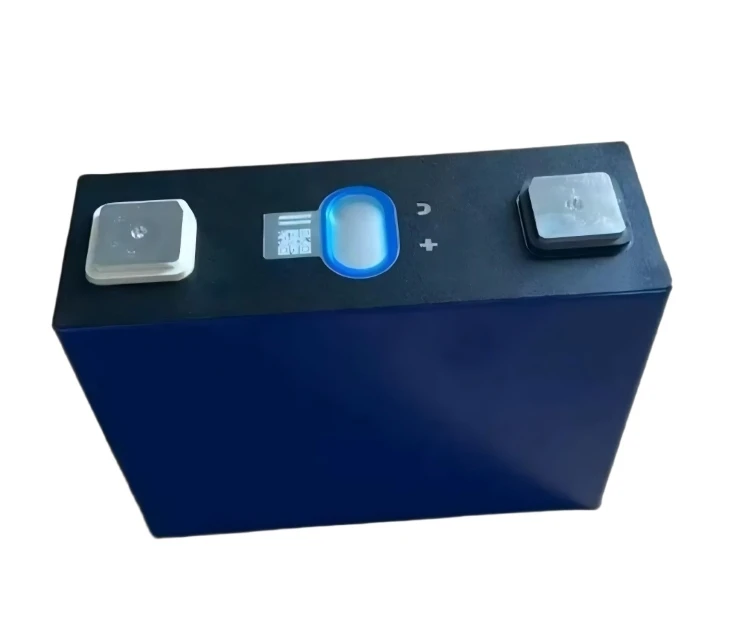
Why Choose LiFePO4 Prismatic Cells?
LiFePO4 prismatic cells stand out from other battery types for several key reasons. They deliver consistent voltage output throughout their discharge cycle, unlike lead-acid batteries that drop voltage significantly as they drain. The prismatic design maximizes space efficiency in your battery pack while providing easy connections between cells.
Safety is another major advantage. These cells resist thermal runaway and handle overcharging better than other lithium chemistries. They also last much longer—typically 3,000-5,000 charge cycles compared to 300-500 for lead-acid batteries.
Essential Components for Your Battery Pack
Core Components
LiFePO4 Prismatic Cells: Choose cells with matching capacity and voltage ratings. Popular options include 100Ah, 200Ah, and 300Ah cells in 3.2V configurations.
Battery Management System (BMS): This protects your cells from overcharge, over-discharge, and temperature extremes. Select a BMS rated for your pack's voltage and current requirements.
Busbars and Connectors: Copper or aluminum busbars connect cells in series or parallel. Use appropriate torque specifications to prevent loose connections.
Safety Equipment
- Cell-level fuses for individual protection
- Main disconnect switch
- Temperature monitoring sensors
- Insulation materials for cell spacing
Step-by-Step Assembly Process
Planning Your Configuration
Determine your voltage and capacity needs first. For a 12V system, connect four 3.2V cells in series (4S). For higher capacity, add parallel strings (4S2P, 4S3P, etc.).
Calculate your total energy storage: Voltage × Amp-hours = Watt-hours. A 12V 200Ah pack provides 2,400Wh of storage.
Cell Preparation
Test each cell's voltage and internal resistance before assembly. Cells should match within 0.05V for optimal performance. Balance charging individual cells to 3.3V helps ensure even performance.
Mark positive and negative terminals clearly. Clean all connection surfaces with isopropyl alcohol to ensure good electrical contact.
Making Connections
Connect cells using appropriate busbars rated for your maximum current. Tighten connections to manufacturer specifications—typically 8-12 Nm for M6 bolts.
Install the BMS following the manufacturer's wiring diagram. Connect sense wires to each cell for voltage monitoring. Run the main positive and negative leads through the BMS for protection.
Testing and Commissioning
Start with a low-current test to verify all connections work correctly. Use a multimeter to check voltage at each connection point and across the entire pack.
Perform a capacity test by fully charging the pack, then discharging at a known rate while monitoring voltage. This verifies your actual usable capacity matches expectations.
Maintenance and Monitoring
Check cell voltages monthly during the first year, then quarterly afterward. Significant voltage differences indicate potential cell issues that need attention.
Keep terminals clean and tight. Corrosion can increase resistance and create hot spots. Store your battery pack between 40-60% charge for longest lifespan when not in use.
Monitor temperatures during charging and discharging. LiFePO4 cells perform best between 32-104°F (0-40°C).

Power Your Projects with Confidence
Building a DIY LiFePO4 battery pack gives you reliable, long-lasting energy storage tailored to your specific needs. Take time during planning and assembly to ensure safe, optimal performance.
Ready to start your battery project? Contact LEODAR Tech Group for high-quality LiFePO4 prismatic cells and technical support to make your DIY battery pack a success.





























Sign in to leave a comment.